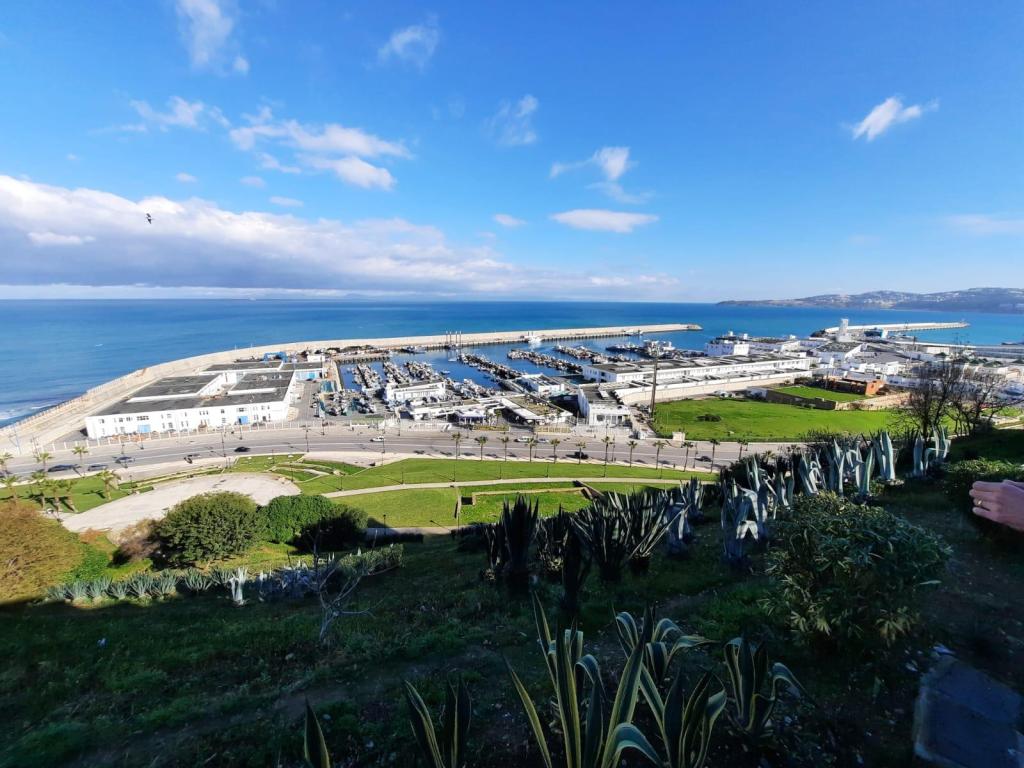
I have already shared about the start of our trip to Morocco which began in Marrakech. After Marrakech, we then moved onto Tangier (or Tanger) which was a completely different experience to the bustle and chaos of Marrakesh. As with that post, I’m going to go through where we stayed, how I found it as well as things to do and see on your trip to the city.
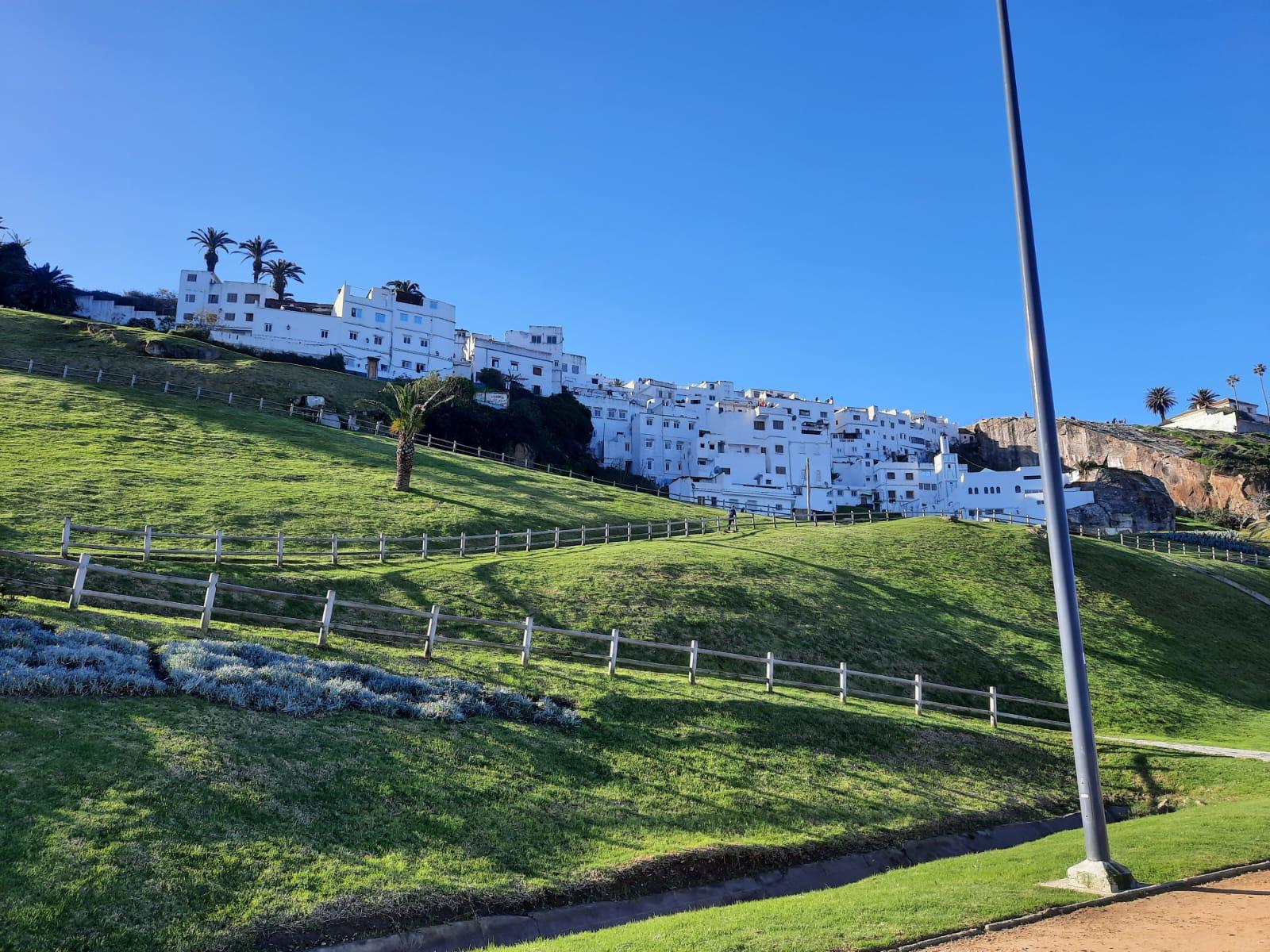
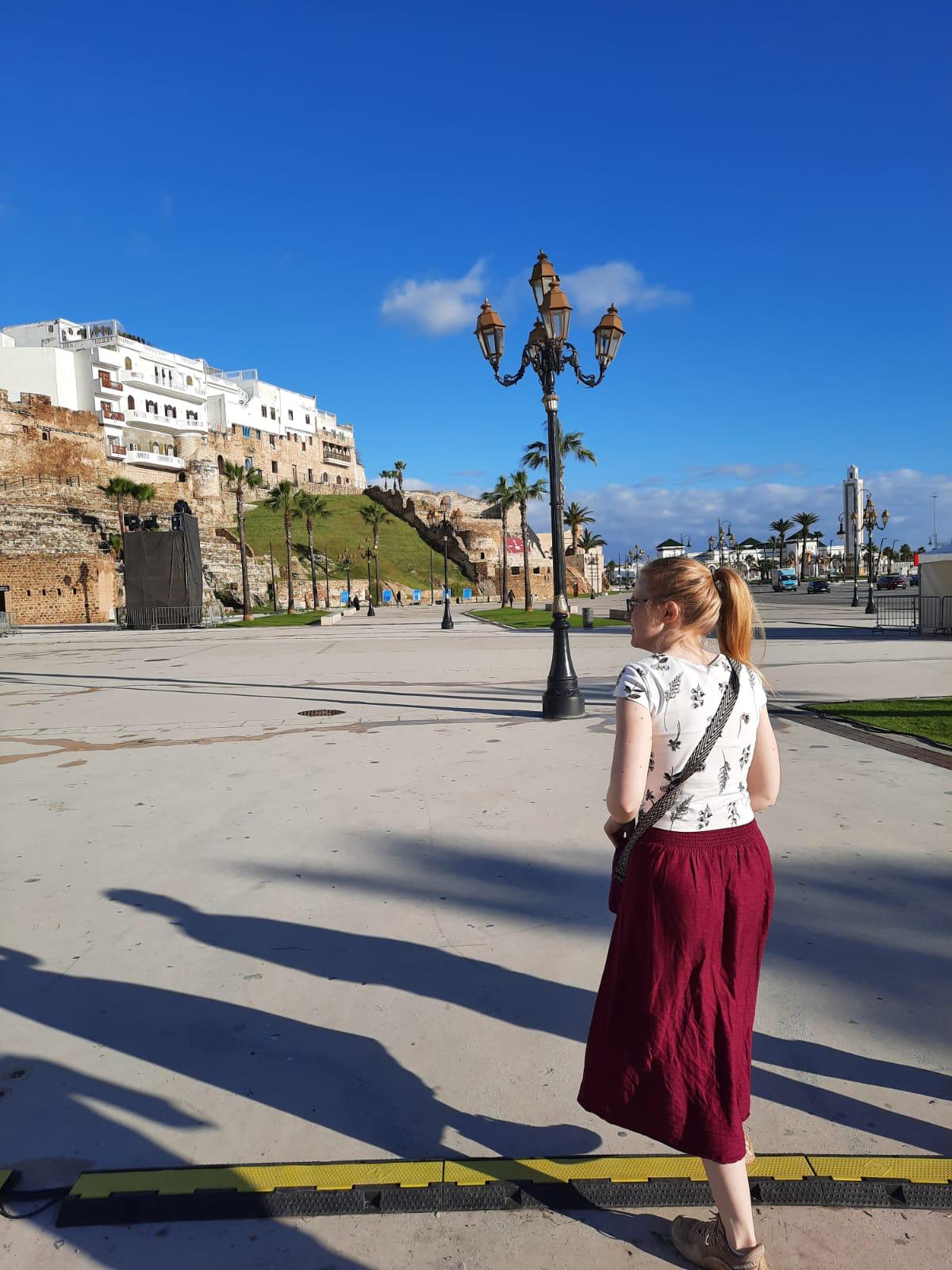
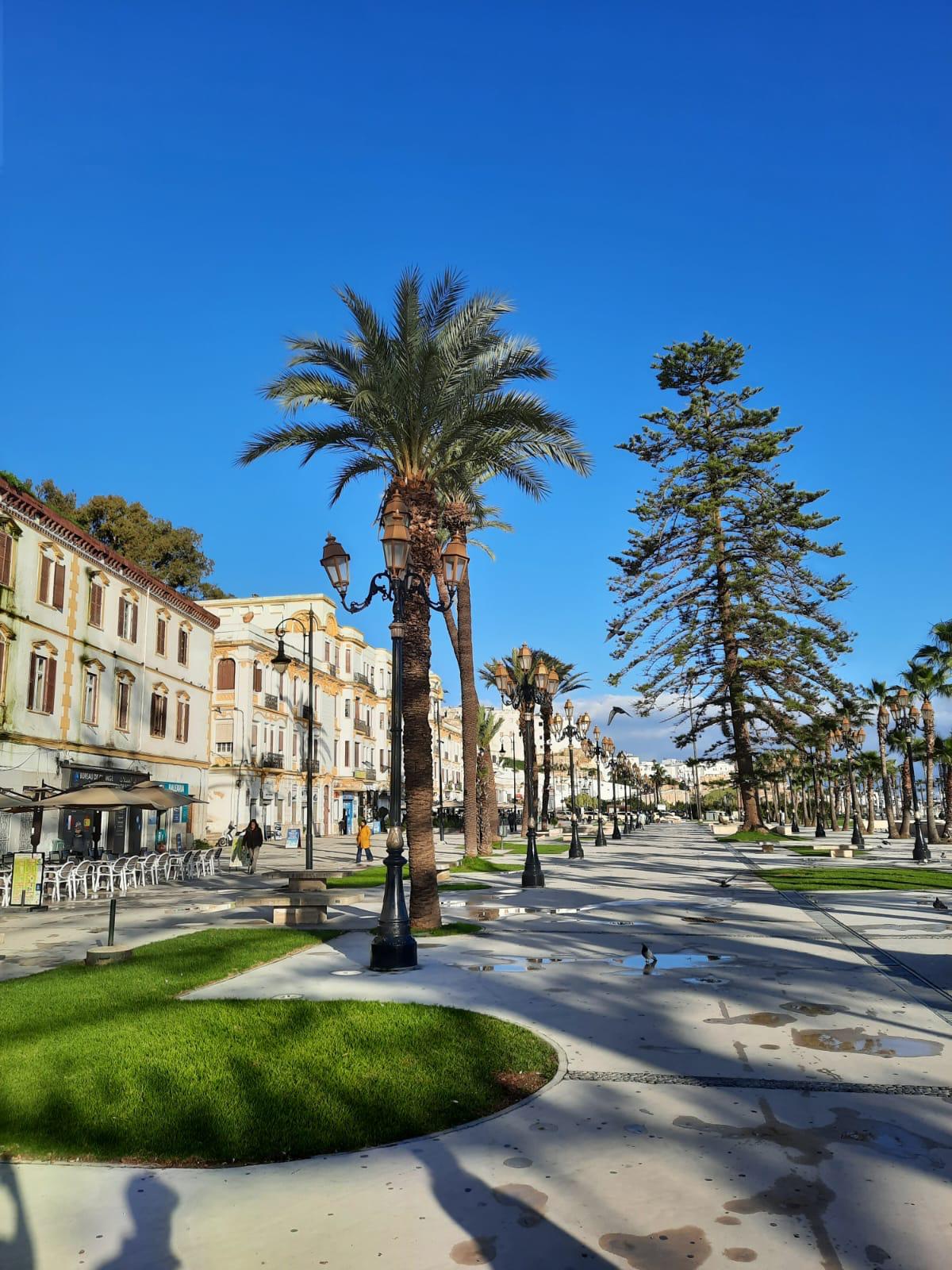
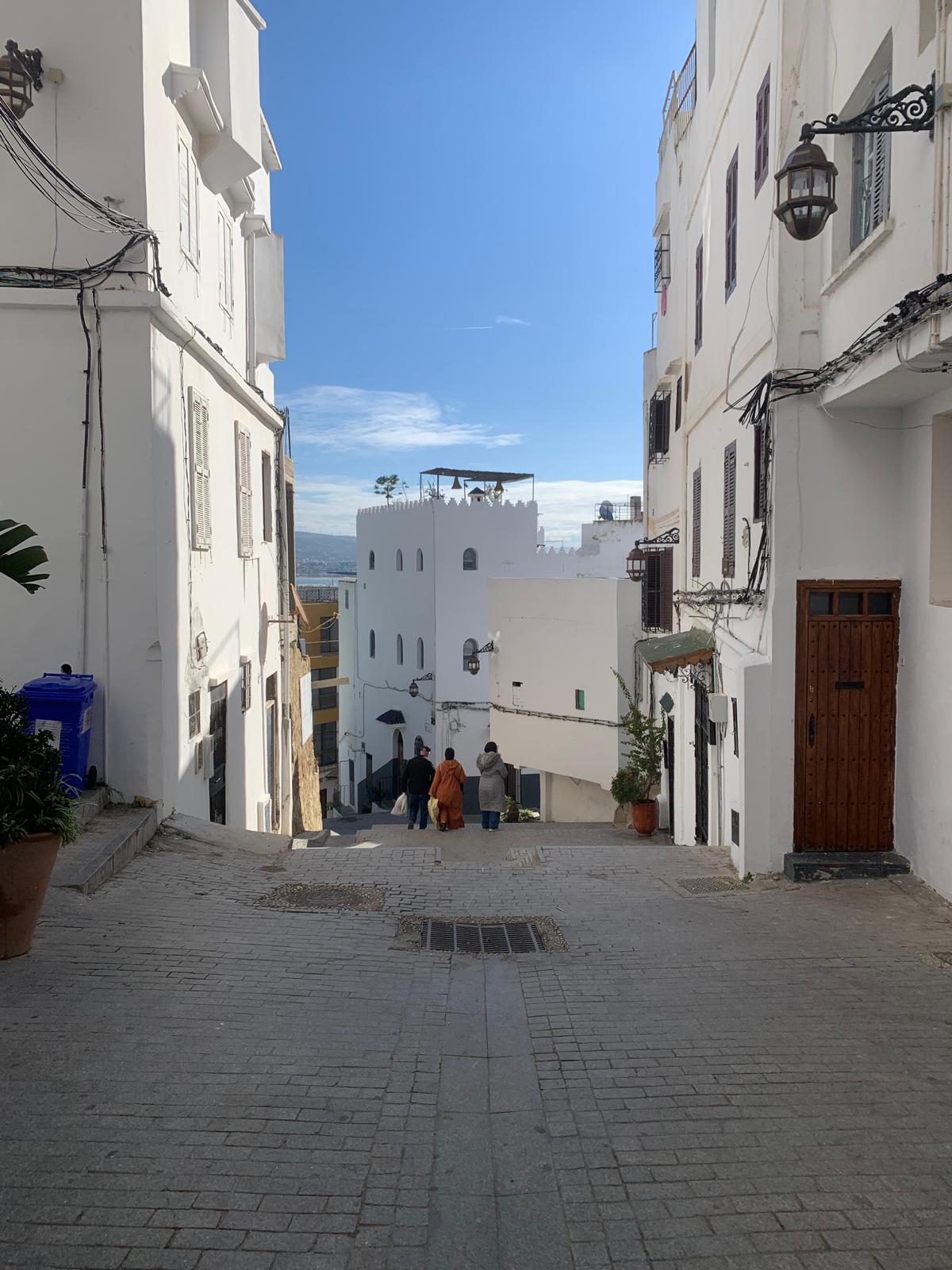
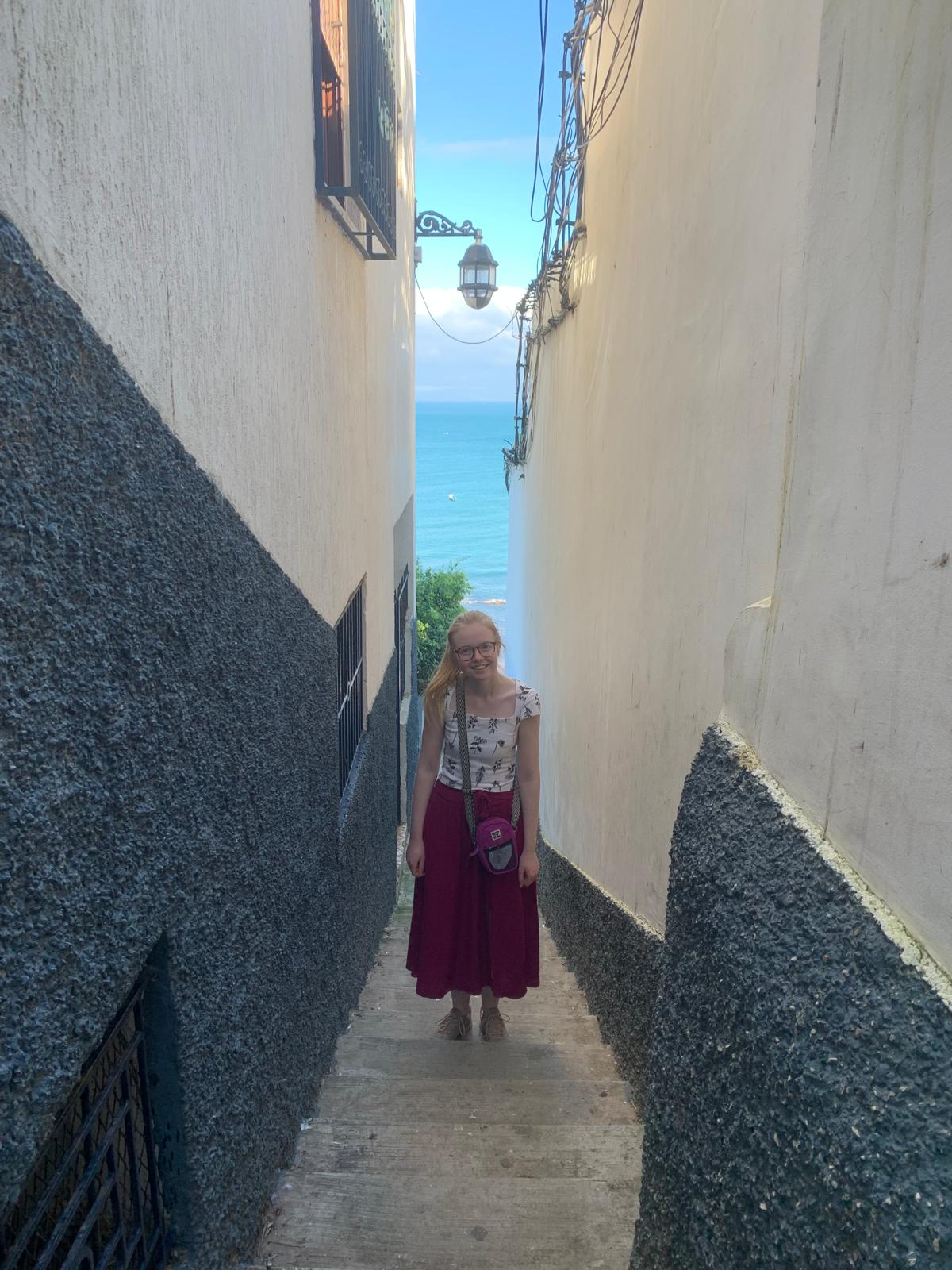
Tangier is a port-city on the northern coast of Morocco, where it borders the Gibraltar Strait and it’s location very much impacts it’s feel and atmosphere. Whereas Marrakesh is a Red City, arguably Tangier is a white one. The whitewashed buildings, blue sea and palm trees give it a much more almost Mediterranean feel. This region did have an important strategic position, connecting Africa to Europe and because of that, the culture is an interesting blend of Spanish, French and Moroccan.
Getting There
Tanger Ibn Battouta Airport is an international airport and therefore connects much of the rest of the world to Tangier. However, as I said, we headed here from Marrakesh and so caught the sleeper train.
Marrakech to Tanger Sleeper Train
The Man in Seat 61 is our go to resource for train travel, as well as Rome2Rio. In this case, The Man in Seat 61’s advice was invaluable. Sleeping carriages, called couchette cars, can be booked up to two months in advance. However, the official website to book the tickets, ONCF, does not allow bookings outside of Morocco so, if you don’t have a VPN this is not an option. Instead, we used the website marrakechtickets.co.uk to book. This company take your details and buy the tickets for you for a fee. This may sound slightly unnerving but the entire process was very smooth. Communication was all via email and the payment via PayPal. We arranged for the tickets to be dropped off with our AirBnB host in Marrakech, or you can arrange for them to meet you at the airport/train station if you’re leaving right away. This cost us around £38 each including the booking fee.
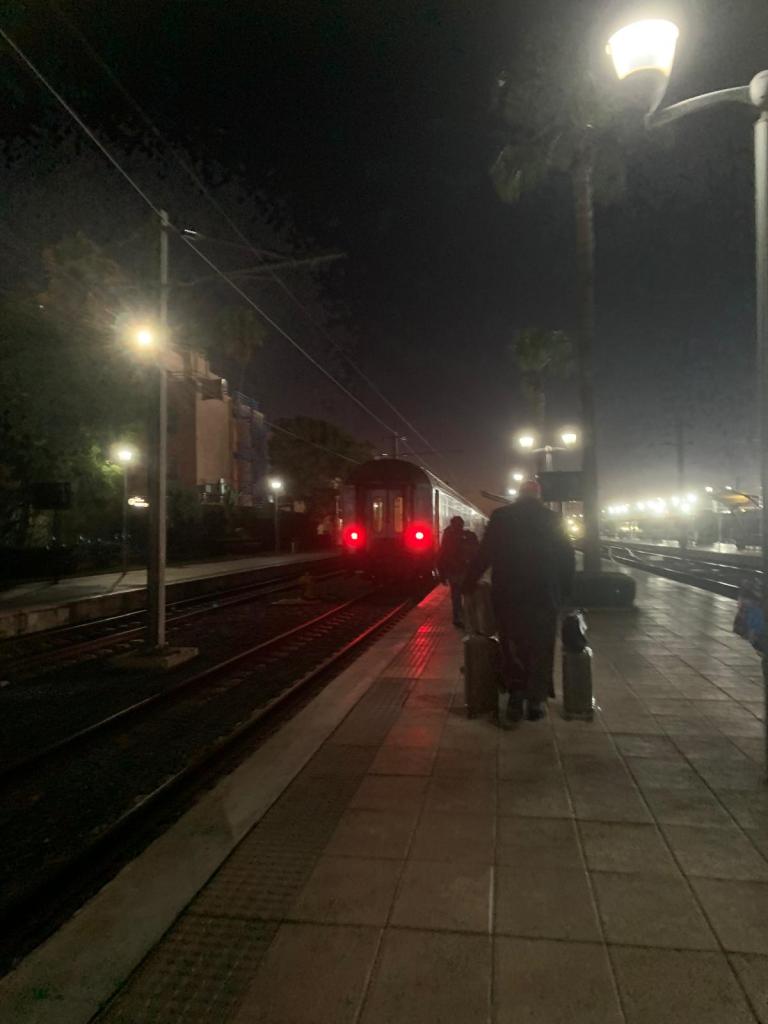
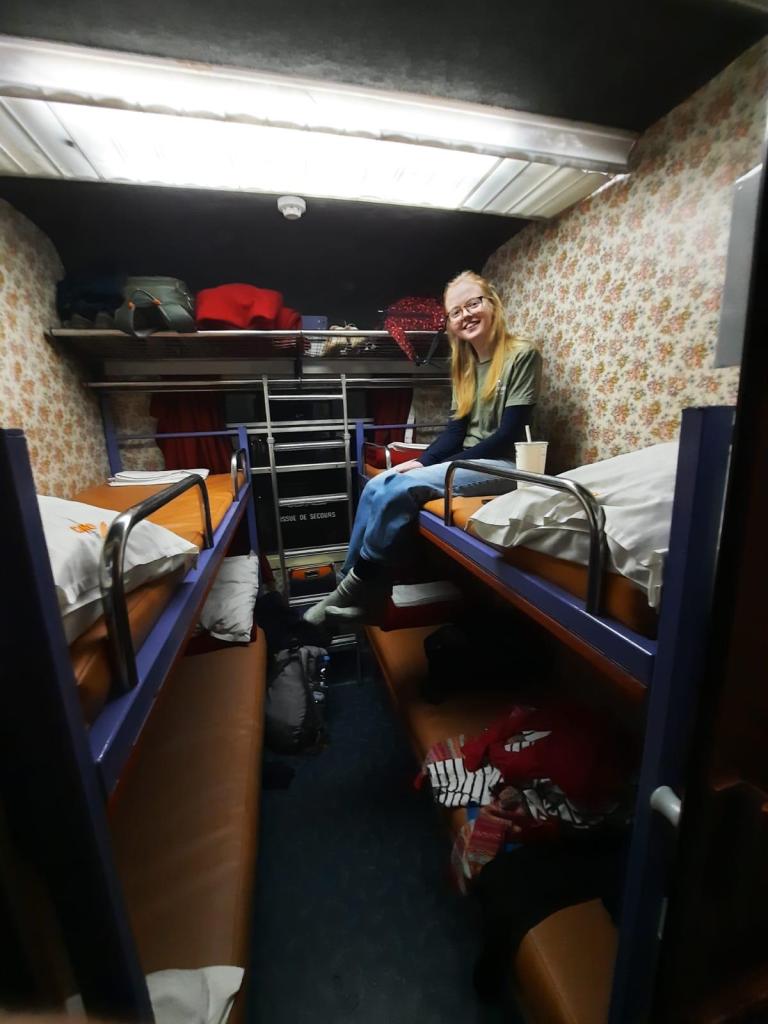
The train itself was a fun experience! Not much sleep was had admittedly but, I’d recommend it nonetheless. The cabins were very small but luckily, we were a four person group so filled the entire thing. I do believe they offer gender-specific (women-only, men-only) carriages if this is a concern. The cabins were decorated with old-fashioned wallpaper and each bed was an okay size given the circumstances. There is only one couchette car and this is cut off from the rest of the train and the doors padlocked so only those sleeping can access the area. This means that you’re also only sharing the toilet with one car which means not all that many people! The bathroom itself was clean and the toilet went straight down onto the tracks which was cool, in a weird way. It’s incredible value considering you’re getting your nights accommodation and transport, plus much cheaper than any sleeper trains in the UK too.
We departed Marrakesh at 8pm and arrived in Tangier at 5am ready to explore!
Accommodation
As I mentioned in the Marrakesh travel guide, our main requirement for accommodation were kitchen facilities due to my allergy. In the end, we opted for the Appart Hotel Ranier which we booked via Booking.com. This was the most expensive of all of the places we stayed at in Morocco but, was fantastic! The apartment was incredibly spacious with a living room to fit a whole host of guests in, a well equipped kitchen and two large double rooms. The air conditioning units heated the bedrooms ideally for the winter and would probably be most helpful to cool down in the summer too. Bonus, we got to check in far earlier than our check in time too as the room was ready. Ideal when you’ve arrived in the city at 5am! I imagine that wouldn’t be the case in the peak season but, we greatly appreciated it. As for the location, it’s just a short walk away from the seafront and the Carrefour supermarket.
Itinerary
Day 1
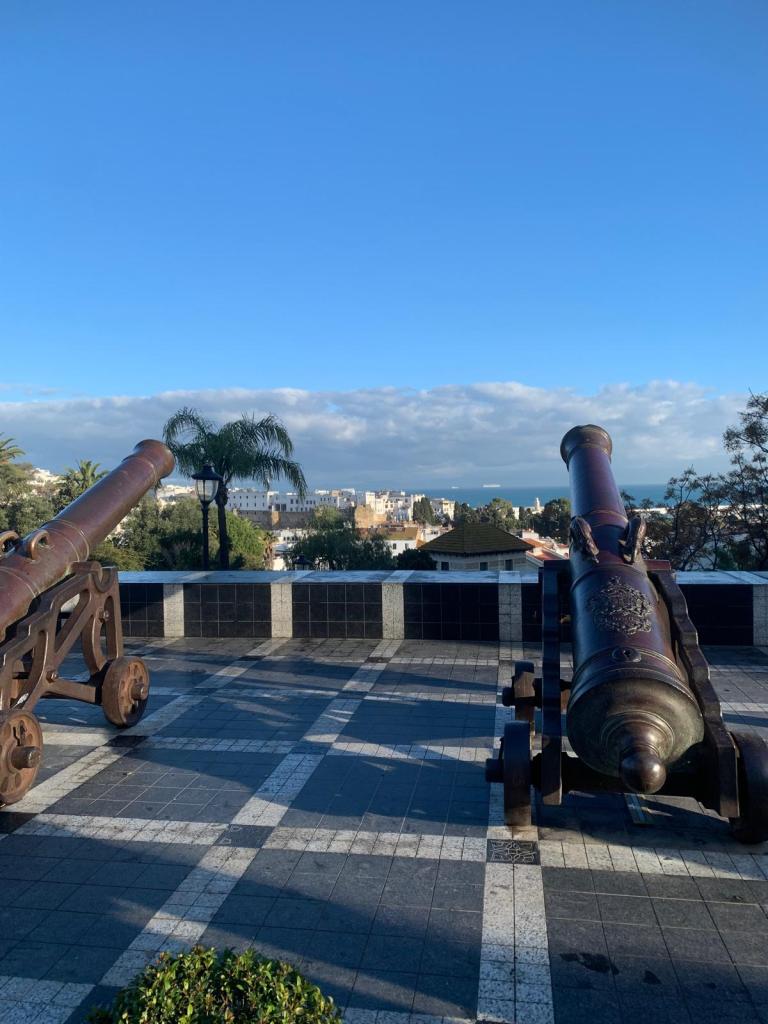
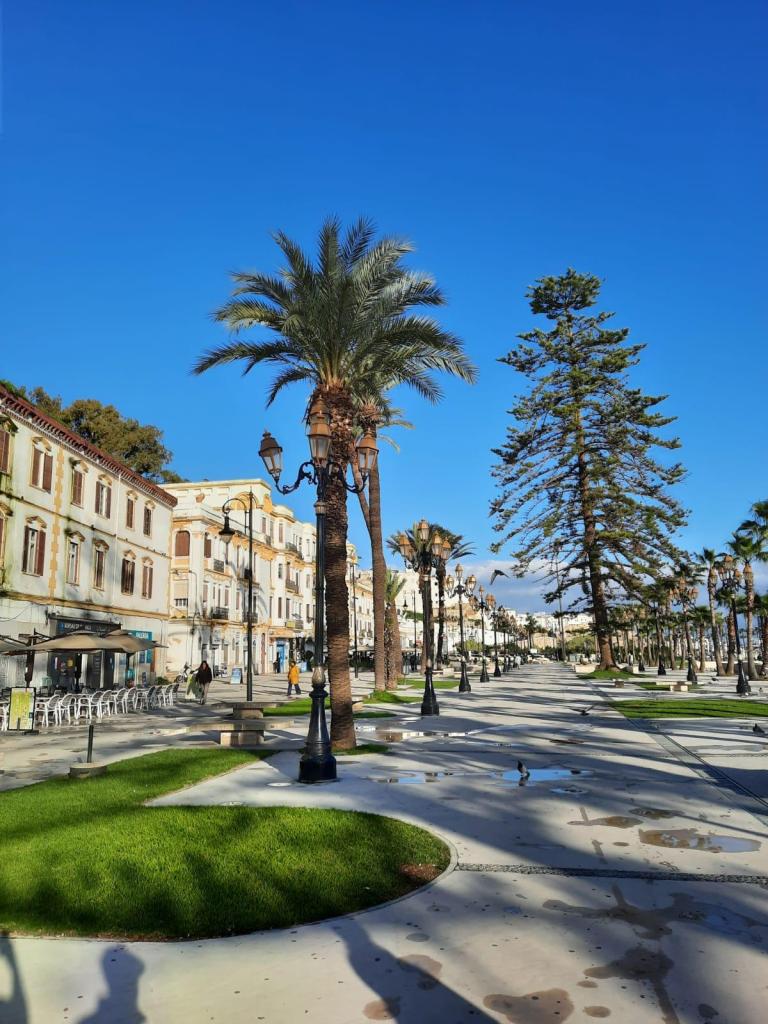
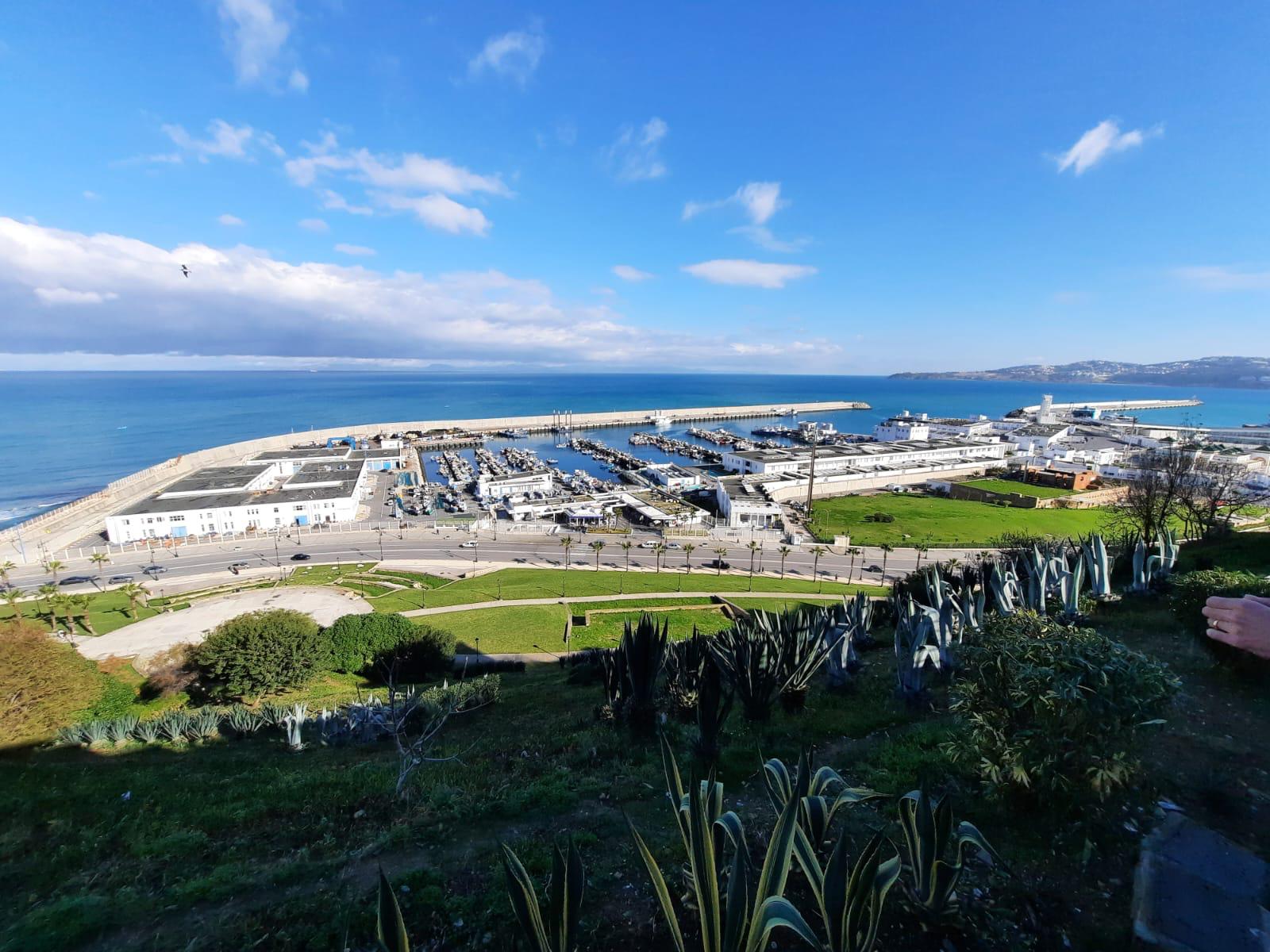
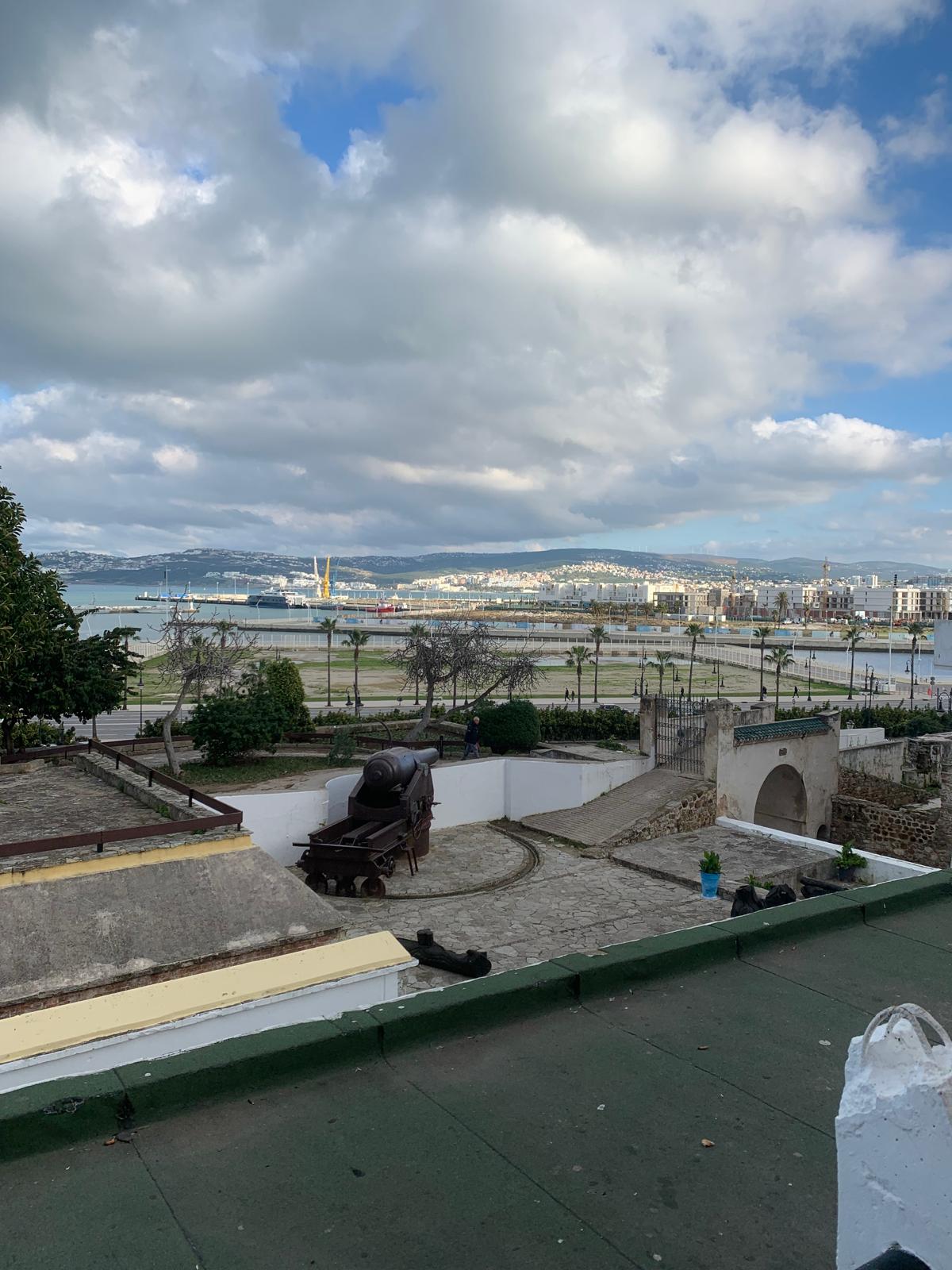
After checking into our hotel and taking some time to relax and nap, it was time to head out and explore. First, we headed to a bakery for some breakfast and then wandered towards the coast. We came across Sour Meêgazine Tanger which is an open plaza/square with a wonderful view down to the sea. Here, there are also cannons as this was a defensive position against attacks from the sea. The views across towards Spain are frequent throughout the day but equally as beautiful no matter the viewpoint.
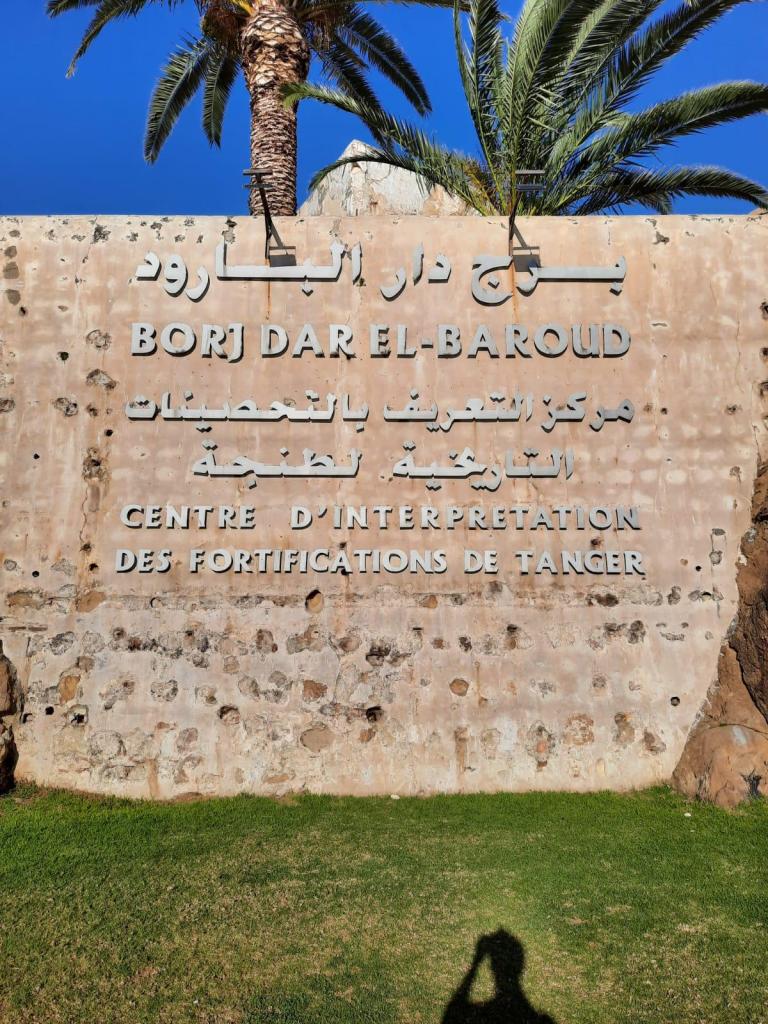
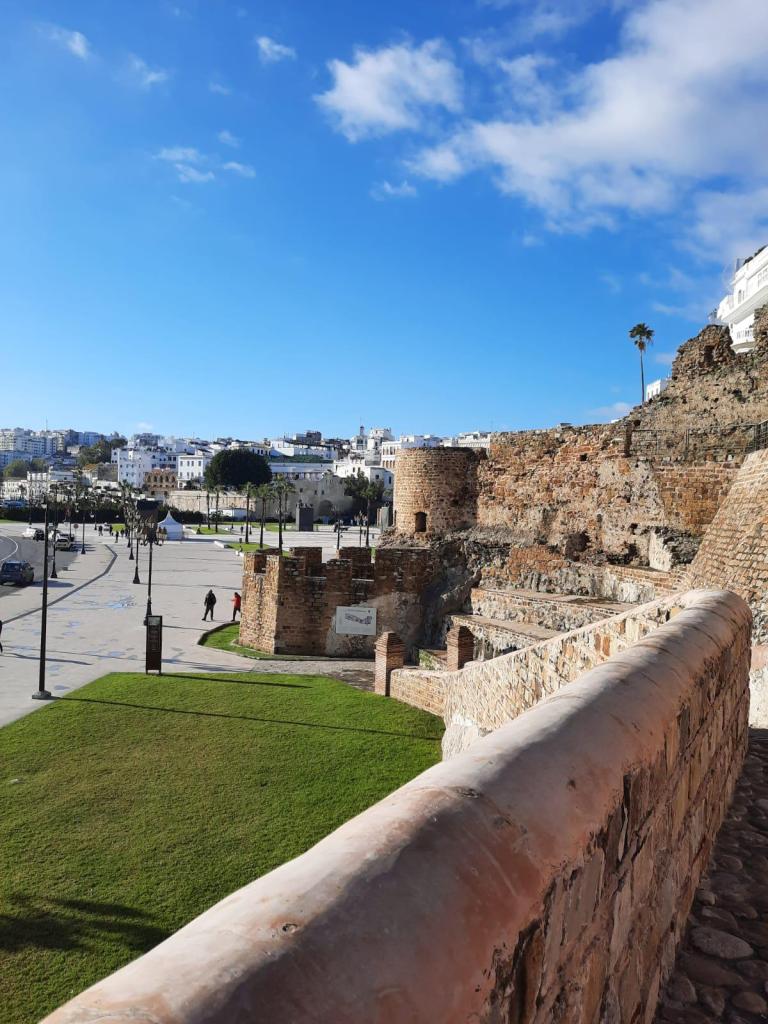
From the viewpoint, we decided we had to head down to the coastline and walked past the port as well as the Dar Al-Baroud and Mosque Lalla Aabla. The tower is a 15th century fortification that was once a key defensive structure. Nowadays, it’s a museum dedicated to fortified buildings and the military history of Tangier. Entrance fees are 50 dirhams which is around £4 (January 2026) so it is very cheap. We didn’t go in but walked around the structure which is impressive in itself. The Mosque Lalla Aabla is clearly visible nearby the tower. This mosque is much more modern than the one seen in Marrakesh as it was built as recently as 2017. It’s known as the Port Mosque because of its location but the official name is from King Mohammed VI’s grandmother who was called Lalla Abla bint Tahar.
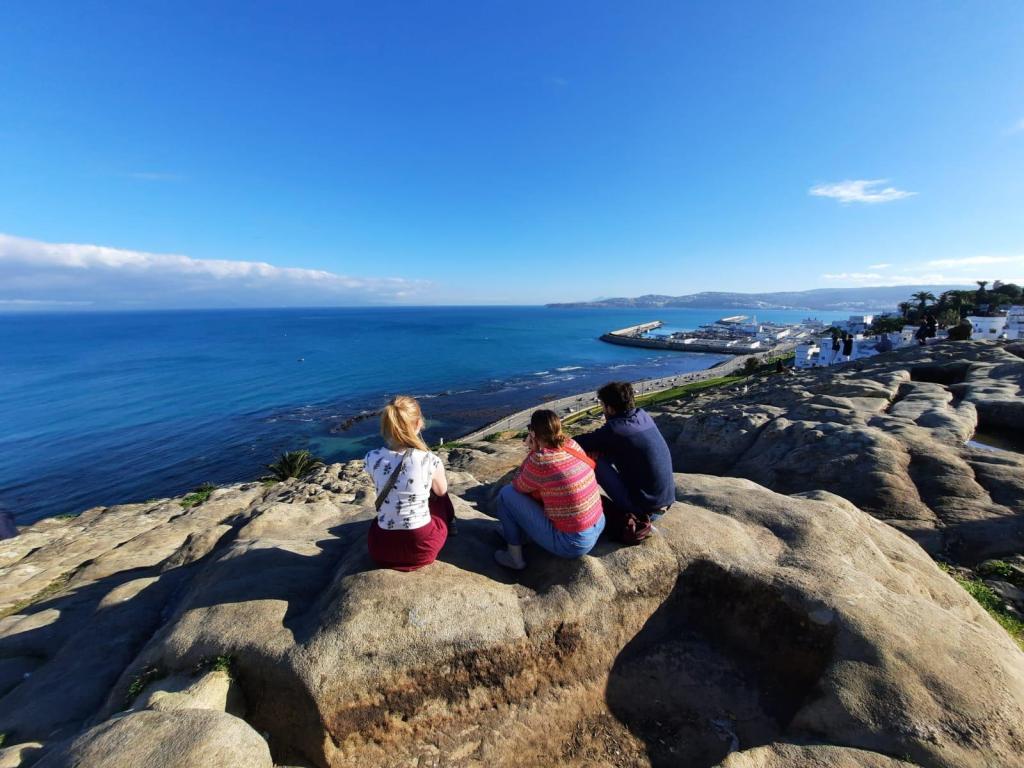
We continued to walk along the coastline, enjoying our first truly warm day in Morocco since the holiday began. We passed through Hafa Gardens which was a lovely green space on the seafront and then headed back into the Medina to the Phoenician Tombs. The Phoenicians were the first people to settle in the city of Tangier in around 1000BC. There isn’t many marks of their civilisation left today except from 98 tombs that are cut into the Marshan Plateau. This was one of my favourite spots of the entire holiday to Morocco and certainly of our time in Tangier. We had a lovely sit down here for a while and appreciated the fantastic view. Again, you could see across to Spain and Gibraltar and look at all the ships on the horizon. I highly recommend heading here.
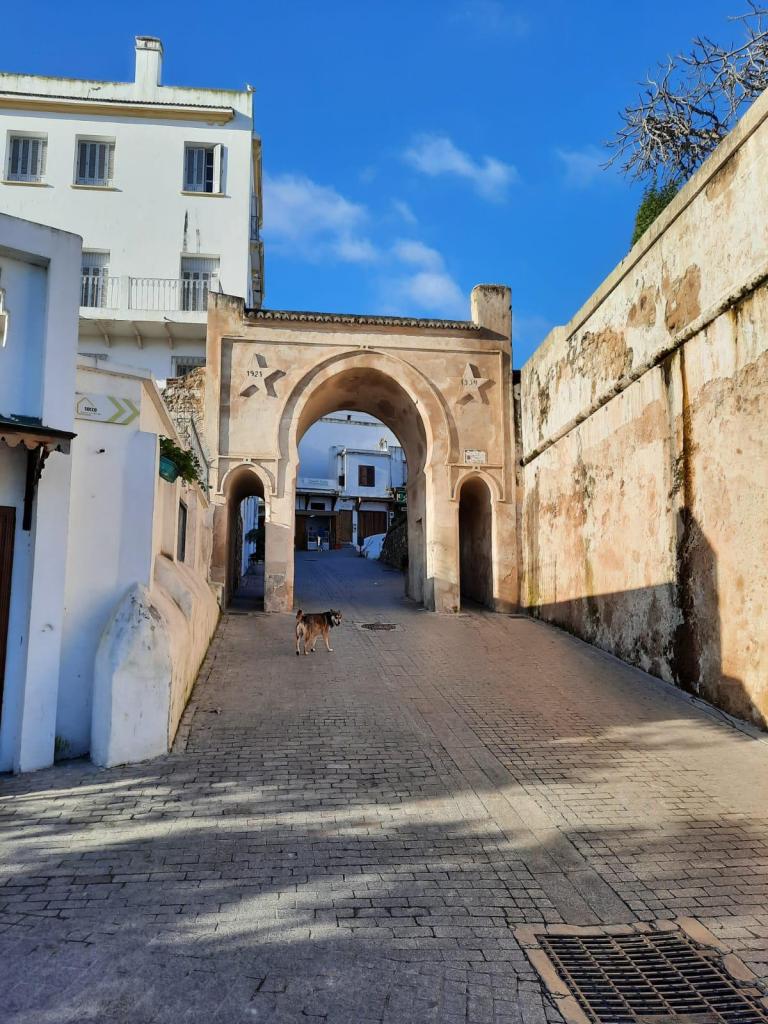
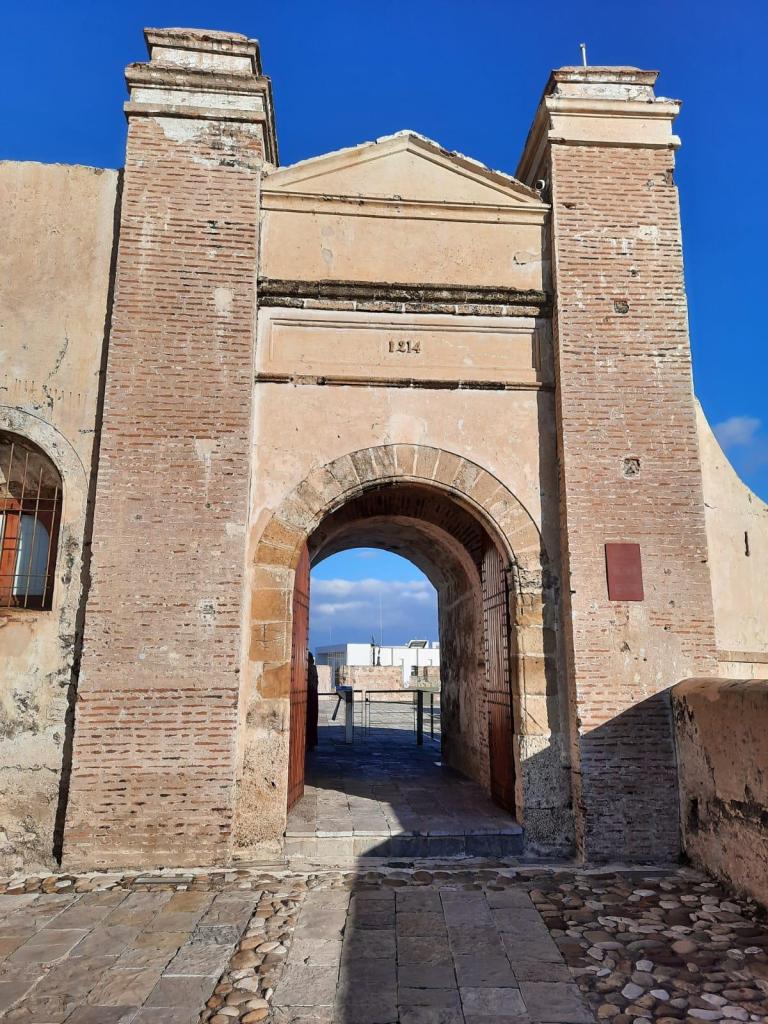
To experience the old town of Tangier after relaxing with the view, we walked to Bab Kasbah which is an iconic entrance way into the Medina. Here, you’ll see the Ibn Battouta Museum which is a museum about the history of Morocco and Ibn Battuta who is one of the most celebrate Muslim explorers in history. It costs 50 dirhams again to enter which is incredibly cheap. Kasbah Museum is another option which looks at the history of Tangier through antiques and artefacts. Reviews do mention that the information signs aren’t in English here and entry is 30 dirhams.
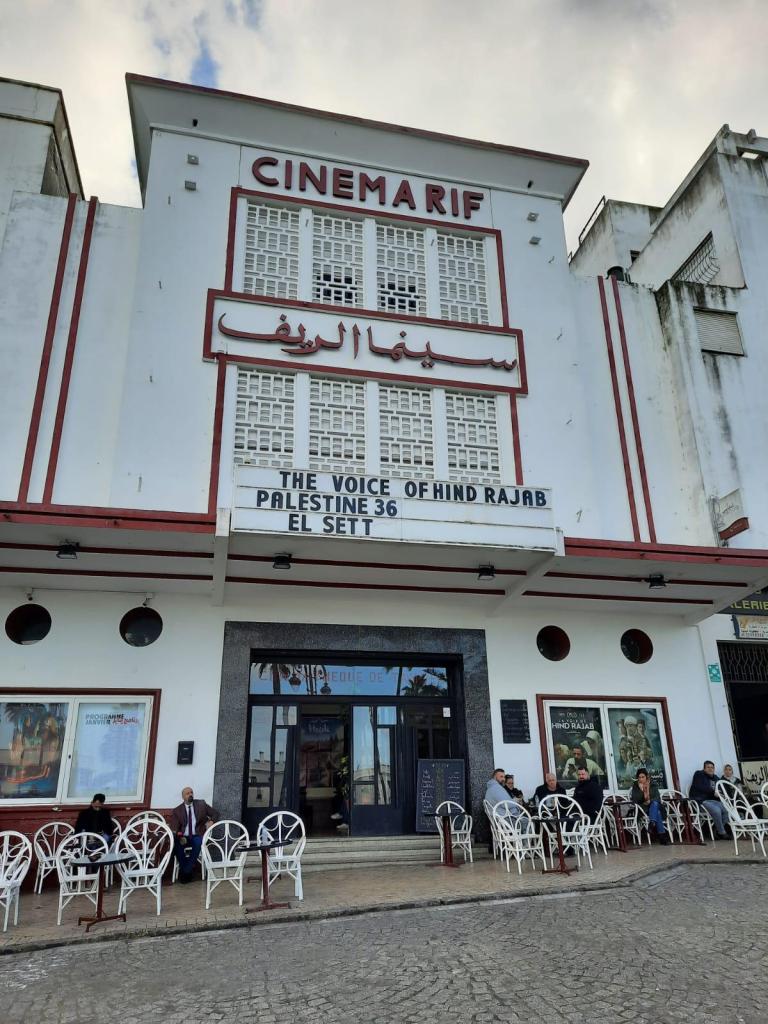
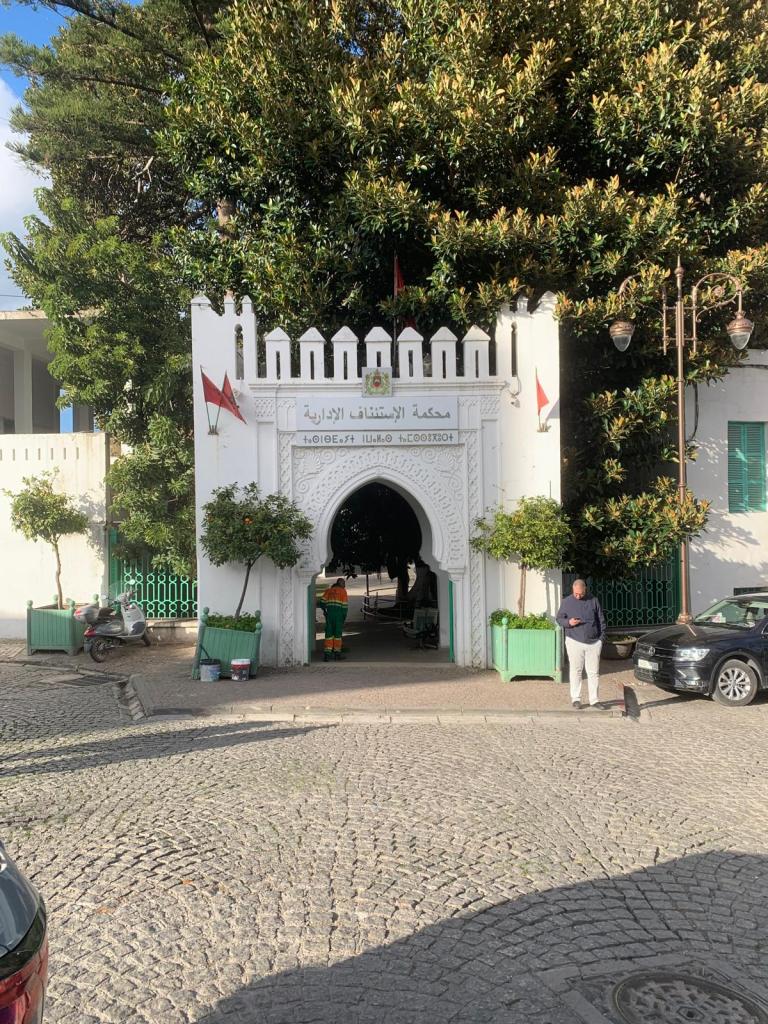
Another of the historic entrance ways into the Medina is Bab Al Bahr. Passing through this gateway, you also get fantastic views across the sea. From here, wander through the streets to see Tangier’s version of the Souks, shops that spill out into the streets selling their wares. You can get things like clothes, pottery, food and other touristy bits and pieces. The main area surrounds the Grand Socco where I recommend you head into the Main Market and the Fish Market which gives you a great sense of the place and culture. Across the street is the beautiful building of the cinema and Espace de la Mémoire Historique de la Résistance et de la Libération de Tanger which is another museum about the National Movement, Resistance and Liberation Army. The National Movement was the anti-colonial campaign against the French and Spanish forces and spanned from as early as 1925 until they gained independence in 1956. We were actually going to go into this museum however, it closed within 15 minutes so we decided we didn’t have enough time. The building itself is impressive on its own right, too.
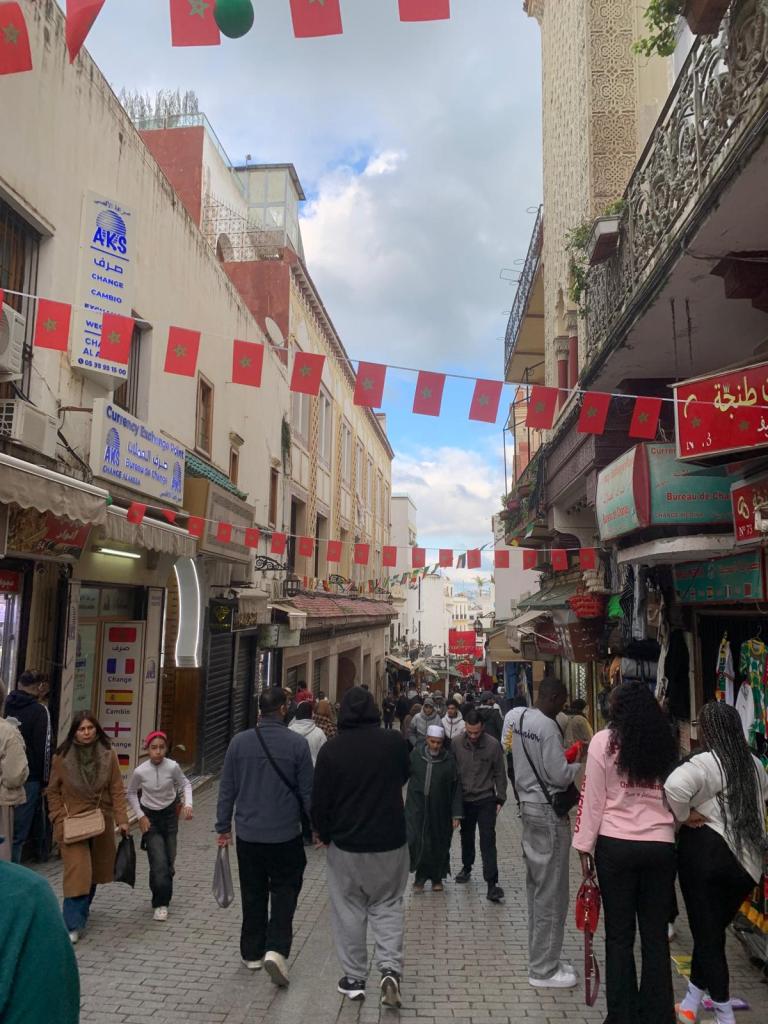
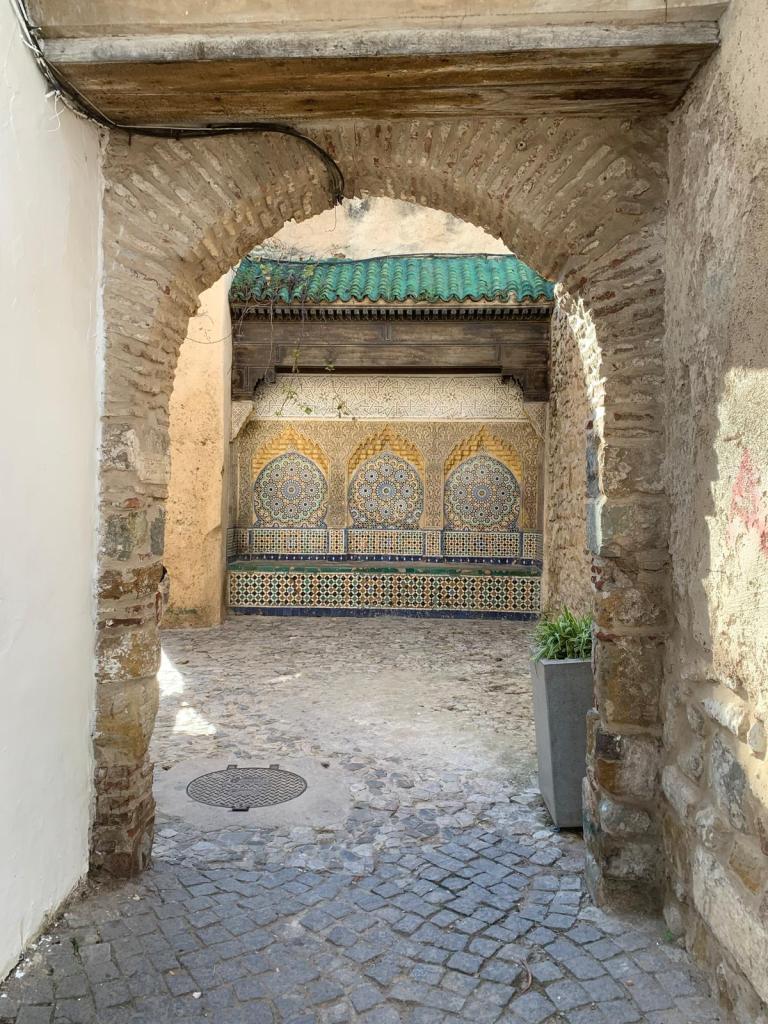
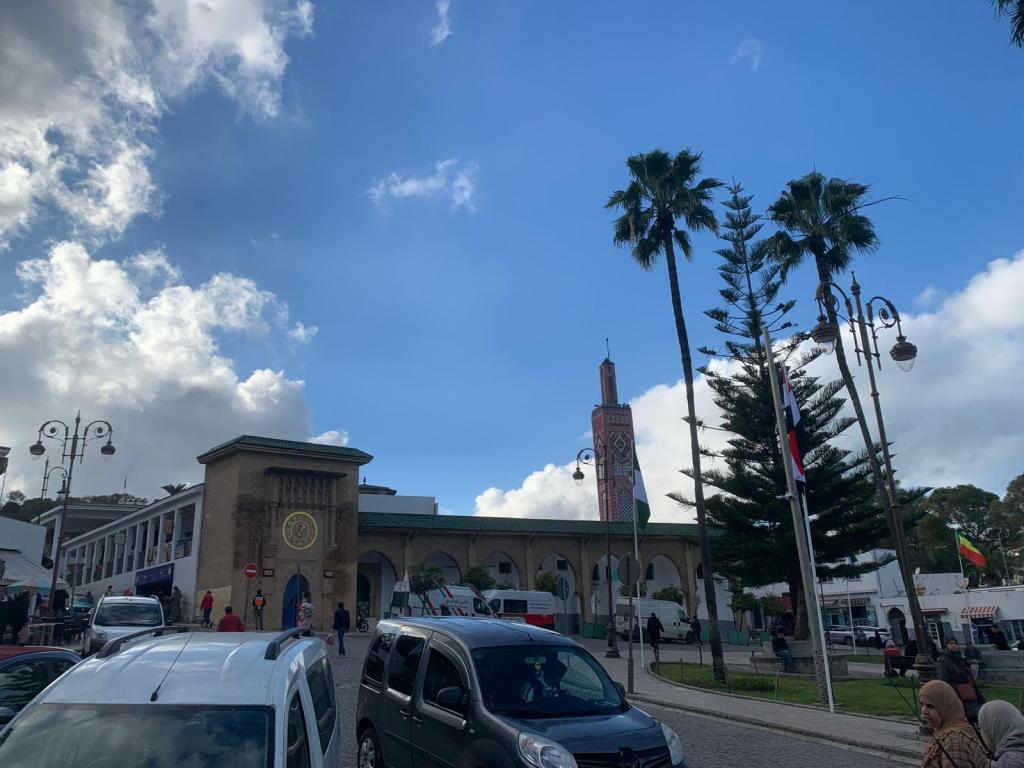
The second primary area of Souks is the Petite Socco where you’ll find Tangier Grande Mosque which is the historic mosque of the city. The current mosque dates back to the 19th century however the site has long since held buildings of religious importance. It’s thought that a it was host to a Roman Temple dedicated to Hercules as early as the 5th century. The Portuguese changed the mosque that followed into a Cathedral after they conquered the land before it became a mosque once more. The blue-green of the building is stunning and it’s an incredible piece of architecture. Tourists aren’t allowed in mosques but you can certainly appreciate their beauty. Listen out for the religious prayer call across the city throughout the day.
Finally, one of the most popular viewpoints across the city is the Terrasse, just down from the Grande Mosque. Here, the view is quite similar to the ones we had already seen throughout the day but it’s still worth heading there too if you fancy a different perspective.
This seems like a packed day but, you can fit it into one. The city is very walkable and, you can still take it easy throughout. It gives you plenty of time to spend some time on the beach on Day 2…
Day 2
Because we’d managed to get all the main sights in on the first day, we had plenty of time to have a slow morning before our train to Fez that afternoon. After checking out of our hotel, we heading down to the waterfront once more but, this time headed towards the beach! If you’re looking for a beach holiday, Tangier would actually be great choice for a long weekend. We walked the length of the Plage municipale and then onto Plage de Tanger where we sat and enjoyed the peace. This area of Tangier is much more modern and high-rise than the Medina and because of that it’s much busier. Here you’ll see the main shopping centre and chains like McDonalds, which even had a hut outside, just selling McFlurry!
After a morning on the beach, we headed to Café Novel for a drink and some lunch before making our way back to the train station.
We only spent a day and a half in Tangier but that was plenty of time. I feel like we had a strong sense of the place in those two days and had seen all of the city’s main sights. You wouldn’t need more than a long weekend here, even if you wanted to have a full beach day!
Excursions
There was one thing that we missed out which is an excursion that can be done from either Tangier or Fez and that is a visit to Chefchaouen. This looks absolutely insane! It’s a city in the Rif Mountains. If Marrakesh is red and Tangier is white, Chefchaouen is blue! The place has become quite popular on Instagram and TikTok over the last few years and I can see why. The blue is vibrant and impressive to behold. If we were to go back to Morocco, I’d like to visit here. You can do so with groups on Get Your Guide or you can get a bus which takes two and a half hours.
That brings me to the end of our trip to Tangier. It was especially interesting to compare Tangier to Marrakesh to see how the European and coastal influences impacted the city. I can see that this would be an incredibly popular destination in the summer but I’d argue that it’s well worth it in the winter too!
Have you been to Tangier? What did you think?
Amie x

 Explore with Amie
Leave a reply to Fez, Morocco Travel Guide | Everything you need to know – Explore with Amie Cancel reply