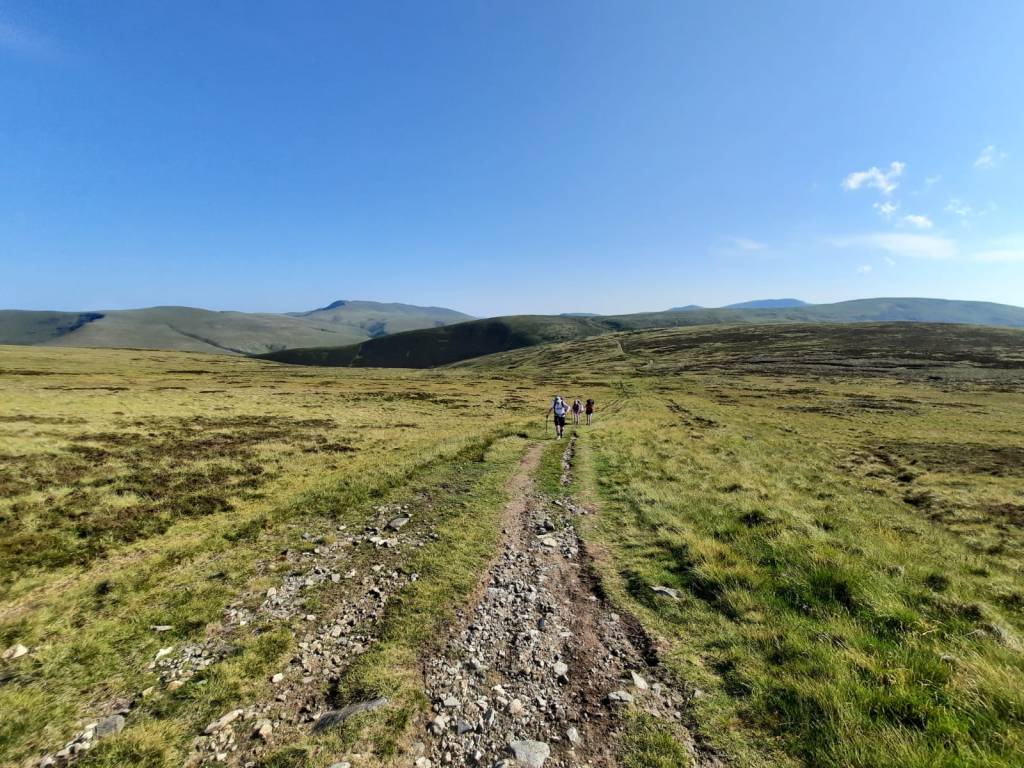
It’s been a long time coming and I’m super excited to share my trip along the Cumbria Way with you!
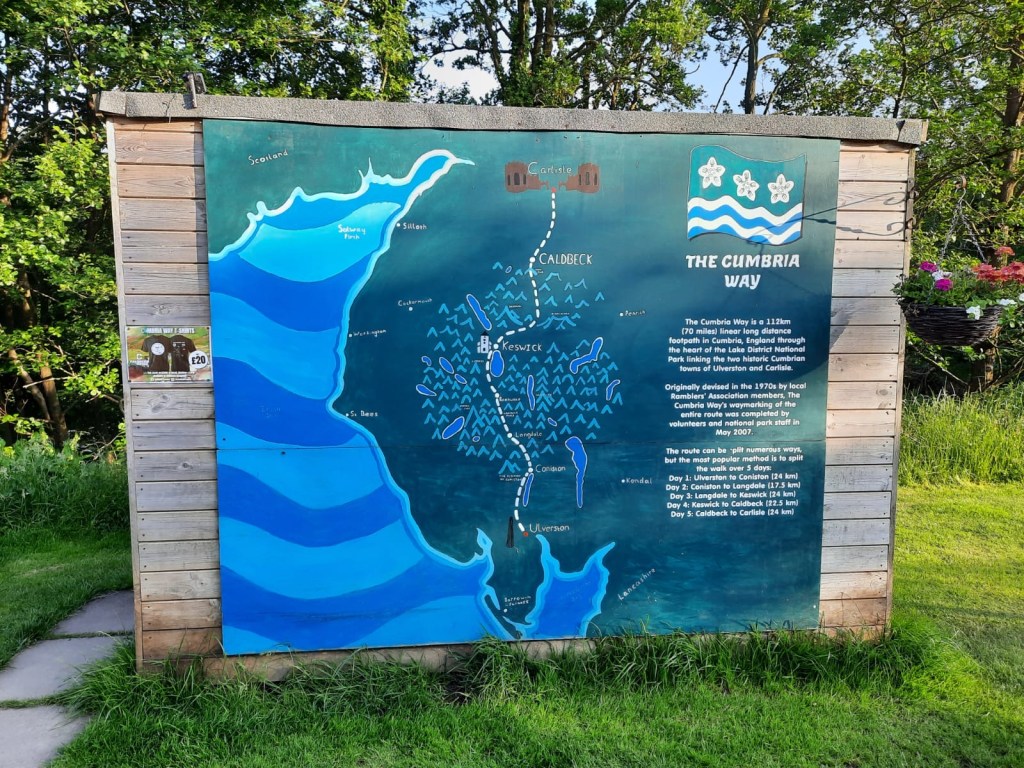
If you aren’t aware the Cumbria Way is a long-distance trail through (you guessed it!) Cumbria. It begins in the picturesque town of Ulverston and passes through the Lake District National Park before finishing in Carlisle. At 117km (73 miles) this would be the longest trail that I’d ever attempted and my first ever ‘official’ long-distance trail. Previously, we’ve walked for three days and done two nights camping so this was going to be a step up. In this post, I’m going to share a breakdown of the route, the distances and where we stayed plus, everything we packed as a group of five on the trail. In the next post on my blog, I’m going to talk more about my personal experience rather than the logistics. Once posted, I’ll pop back and link that one here. Without further ado, here is how we planned the Cumbria Way for the beginning of June.
Which direction did we walk?
We opted to start in Ulverston and finish in Carlisle. During the initial planning stage, I didn’t even consider doing it the other way. Partly, this was due to the ease of starting not too far from our home and also, because it felt like the best way to do it, walking north through the Lake District. However, I was surprised to meet quite a few people who were walking in the opposite direction; but, I don’t regret our decision.
How many days did it take?
The Cumbria Way can be walked in five days and, we initially wanted to walk it in six which created manageable daily distances and included a night in a hostel in Keswick. One of our group didn’t manage to get the full week off work so, finishing day 4 in Keswick meant that they could get public transport to Penrith and then hop on a train back to their home from there. It’s worth noting that this is a very easy location on the trail for an ‘escape route’.
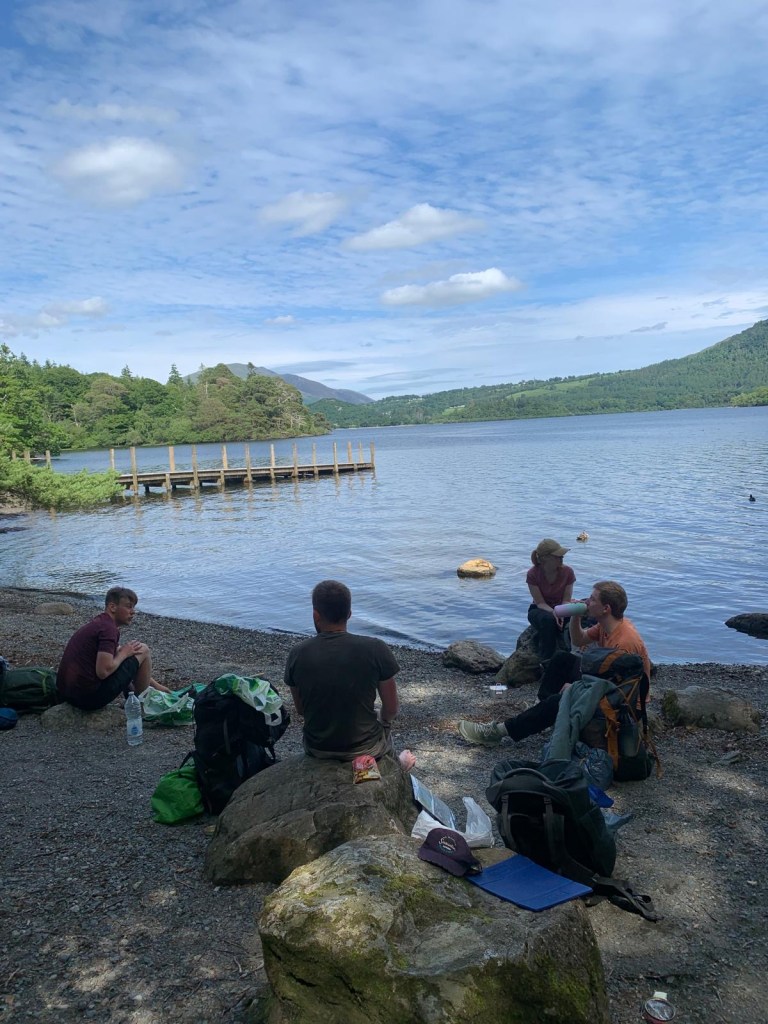
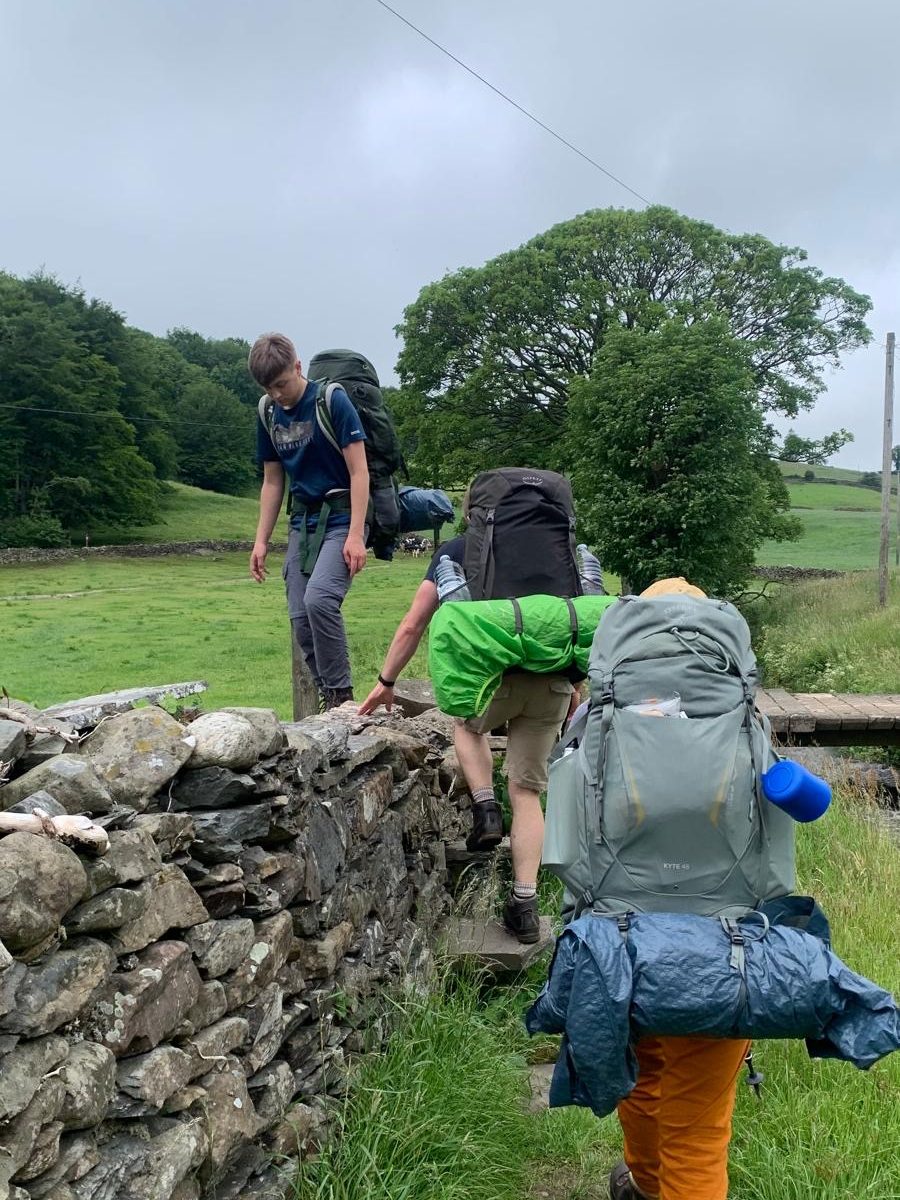
In the end though, we decided to add an additional day, taking the total to 7. The final day, Caldbeck to Carlisle is quite a long one and so, to give us ample time to make our way back to Ulverston, we added a night in Dalston. This is around 10km outside of Carlisle and meant that we didn’t need to pay the price of a hotel in the city. This turned out to be the right decision as it was 27 degrees on day six of our trip and we were very much ready to stop in Dalston, despite arriving in the late afternoon. On day 7, we were in Carlisle by 10:30am and then hopped on a train with the rest of the day ahead. If you have quite far to travel back home from the end point, I would highly recommend doing this.
Where did we stop at the end of each day?
| Day | Location | Distance | Cumulative Distance |
| 1 | Ulverston -> Torver | 23.81km | 23.81km |
| 2 | Torver -> Chapel Stile | 20.47km | 44.28km |
| 3 | Chapel Stile -> Borrowdale | 17.90km | 62.18km |
| 4 | Borrowdale -> Keswick | 15.43km | 77.61km |
| 5 | Keswick -> Caldbeck | 27.79km | 105.40km |
| 6 | Caldbeck -> Dalston | 17.31km | 122.71km |
| 7 | Dalston -> Carlisle | 8.68km | 131.39km |
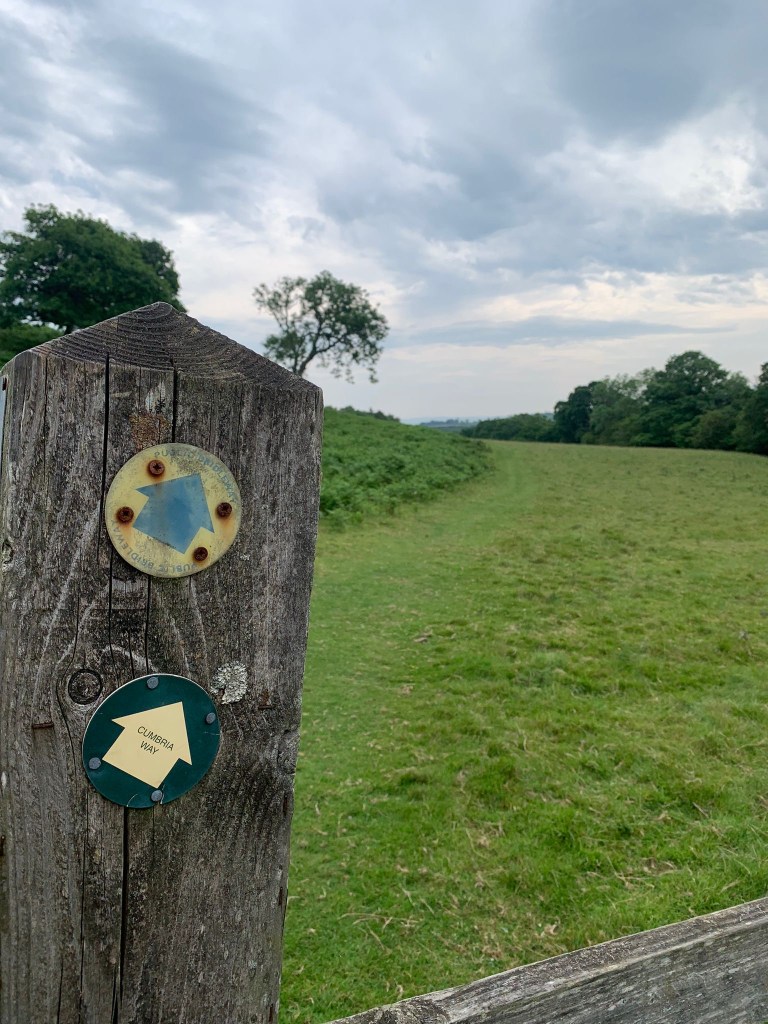
As you can see, despite the official distance of the trail being 117km, we finished (according to Strava) with 131.39 trail kilometres. This included deviations to get to our campsites and times we lost the path etc. We picked our campsites specifically because of their closeness to the trail and we carried OS maps for navigation so, this didn’t happen particularly often but it did add up. The Cumbria Way is also incredibly well way marked for the most part.
Where we stayed on the Cumbria Way
There are quite a few options of places to stay on the route and this obviously depends on whether you are carrying camping gear or staying in b&bs. We opted to camp for the vast majority of the trip with one hostel in Keswick as a bit of a treat for making it that far. Admittedly, it was nice to have a bed for the night! It was even better waking up and not having to put down a tent and pack away all of our gear.
Here are the campsites we stayed at and my thoughts and recommendations:
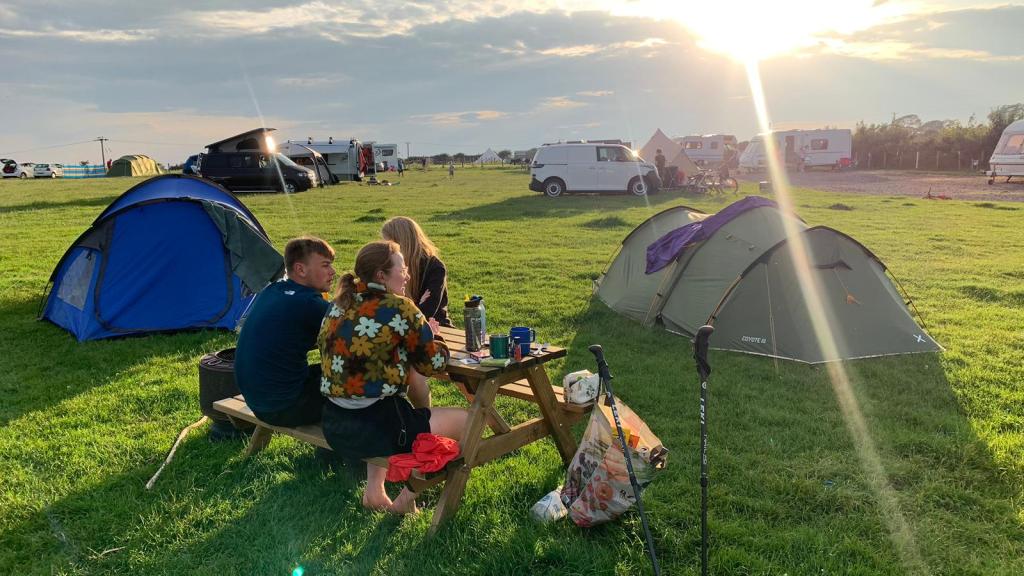
I prebooked all but one of the campsites below – Bays Brown campsite didn’t allow it.
Coniston Hoathwaite Campsite, Torver
Cost: £10.00 per person plus £6 per tent (non-refundable deposit needed to book)
Coniston Hoathwaite Campsite was an ideal place to stop at the end of day 1. Located between Torver and Coniston, it does mean that you have quite a long first day on the trail – something that we weren’t quite prepared for. Despite arriving late (the reception had already closed), the owners were lovely and allowed us to pitch up and pay the next morning. The banks of Coniston Lake made for a beautiful setting however, there were plenty of midges about! Facilities were fabulous with great showers and even a fridge to store your food. We were lucky as the campsite was quite empty so it was lovely and peaceful. There is a pub nearby but they had stopped serving by the time we arrived at the campsite so I can’t comment on that. A great first campsite; I would recommend staying here.
Bays Brown Campsite, Chapel Stile
Cost: £12.50 cash per person
This campsite could not be pre-booked but, it is huge so I think you would be okay but perhaps try to arrive early during peak season. The campsite is on a working farm and the facilities were really great – no complaints. We opted to camp towards the bottom end which had the flatter ground but the facilities were a on the opposite side. Luckily, I didn’t need to use the toilet in the middle of the night as this would have been a little annoying. You could choose to camp much closer to them though should you wish. There are also wooden benches under shelter near the toilets which was incredibly handy when cooking breakfast in the pouring rain. It’s located right on the Cumbria Way with a pub a short walk away.
Chapel House Farm, Borrowdale
Cost: £10 cash per person
Chapel House Farm is located in Stonethwaite in Borrowdale. We booked this in advance and paid in cash on arrival. We were slightly worried as we had previously stayed at a campsite in this area before which had no drinking water. However, this was not that campsite and was much much better. The grass was nice and flat and it had clean water! There were also two options for an evening meal: The Langstrath Country Inn and the YHA Borrowdale which also has a bar. We opted to go to the pub and the meal was lovely. The only disadvantage of this campsite was the showers. It was 50p for 4 and a half minutes which is perfectly fine however, the shower fills the entire cubicle so, you have to change outside of the cubicle in the shared space before getting in the shower. I would recommend swimwear if travelling alone or taking a friend with you to make sure nobody enters whilst you’re getting ready to shower.
Keswick YHA
Cost: £31 per person
We booked a six bed private room to share between the five of us at the YHA in Keswick. This was understandably the most expensive accommodation we stayed in but is still very reasonably priced. It is located not far from the Cumbria Way, too. The rooms were clean and the ensuite was great. You can’t really go wrong with a hostel. Keswick was a great place to restock with lots of facilities available.
Caldeck Campsite, Caldbeck
Cost: £8 cash per person
This was probably my favourite campsite of the whole trip. It was quite small so I recommend booking ahead and its right on the Cumbria Way. Walkers who didn’t stay here had to walk through the campsite to stay on the trail. The woman who ran the site was lovely, the facilities were excellent and there was a fabulous, cosy pub a short walk away. Caldbeck itself looked like a quaint village and its a shame we didn’t get to see it earlier in the day. This was the perfect campsite after a tough day of walking.
Cardewlees Campsite, Dalston
Cost: £15.75 per person
As you can see, this was the most expensive campsite that we stayed at during our time on the trail. Was it worth it? I wouldn’t say this was one of my favourite campsites but equally, I don’t have much to complain about. Despite some good marketing efforts, it’s still a pretty standard campsite. I don’t think they get too many Cumbria Way campers as this one is a way off the path. It is the only campsite in the area though and is not too far from Dalston centre. Unfortunately, you do have to walk along a fairly busy national speed limit road to get there. That being said, the facilities were good and they did have a food van on site for pizza and chips!
What did we pack for the Cumbria Way?
Bag
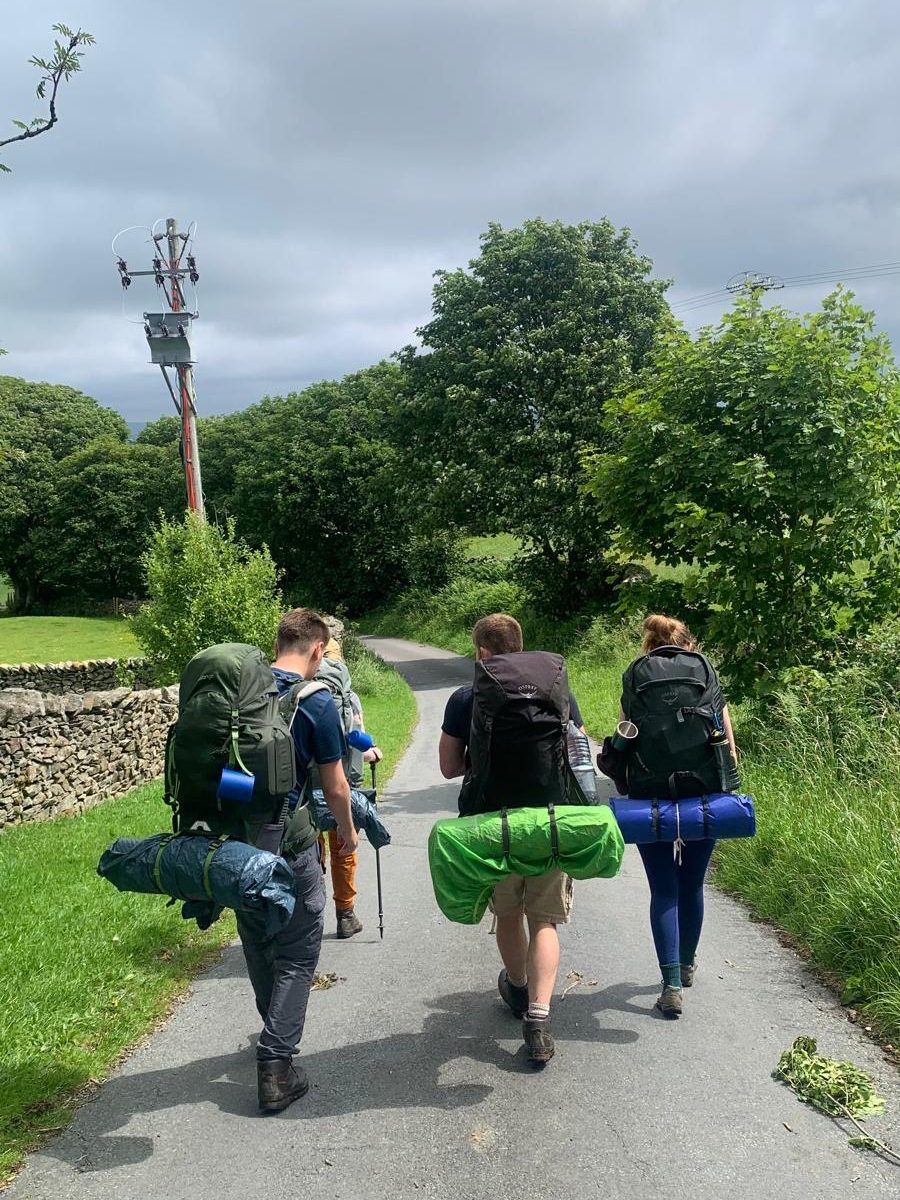
I upgraded my rucksack ahead of the trip and bought the Osprey Kyte 48 backpack which, admittedly, doesn’t fit me perfectly however, it is a huge improvement on my previous bag which was a Mountain Warehouse one. I got quite bad hip blisters with that one but, it wasn’t as bad with the Osprey. I am starting to think that no bag will ever fit me perfectly but the Osprey is certainly a leap forward. Going from a 75litre rucksack to a 48litre was also the correct decision. Across the group we had two 48litre bags, two 60l, one 75l.

Sleeping
Considering there were five of us, we took two 3 man tents:
- Eurohike Cairns 3 DXL Nightfall Tent
- Coyote III Backpacking tent
- Berghaus Peak Self-Inflating Mat
- Sea to Summit Aeros Premium Pillow
- Mountain Warehouse Summit 300 Sleeping Bag
Clothing
- 2x walking trousers (1 with zip off shorts)
- 1x leggings (or in my case, an activewear skirt)
- 4x quick-dry breathable tops
- 7x walking socks
- 1x jumper
- Raincoat
- Waterproof over trousers
- Pyjamas
- Sunhat
Others
- Stove and Mess Tins
- Lighter
- First aid kit and tick remover
- Blister plasters
- Head torch
- Knife/Fork/Spoon
- Plastic camping cup
- Toilet roll
- Washing-Up Liquid (though most campsites had this)
- OS Maps (covering all Lake District)
- Compass
- Microfibre towel
- Toiletries (small deodorant, shampoo, shower gel, suncream, toothbrush, toothpaste)
- Playing cards/small card games
- Hiking Poles
- Chlorine tablets
Of course, as we were a large group, we had the option of splitting a lot of this between us. We had two stoves and then just one of most items listed on ‘other’ besides the personal items.
Food and drink
I also haven’t included food and water here. I’ll talk more about the food we picked up along the route in the experience based post but, this is something you don’t need to worry too much about as there are places to pick up food in Ulverston, Coniston and Keswick as well as small village shops along the route. We carried at least two dehydrated meal packs each in case we couldn’t get to a pub/to save money on eating out. We also carried porridge packets for breakfast, lunch and snacks too which added a lot of weight. For water, we bought a six-pack of 2litre bottles though we didn’t carry them all in the end. As we were using campsites, there were plenty of opportunities to refill and we never needed to use our chlorine tablets.
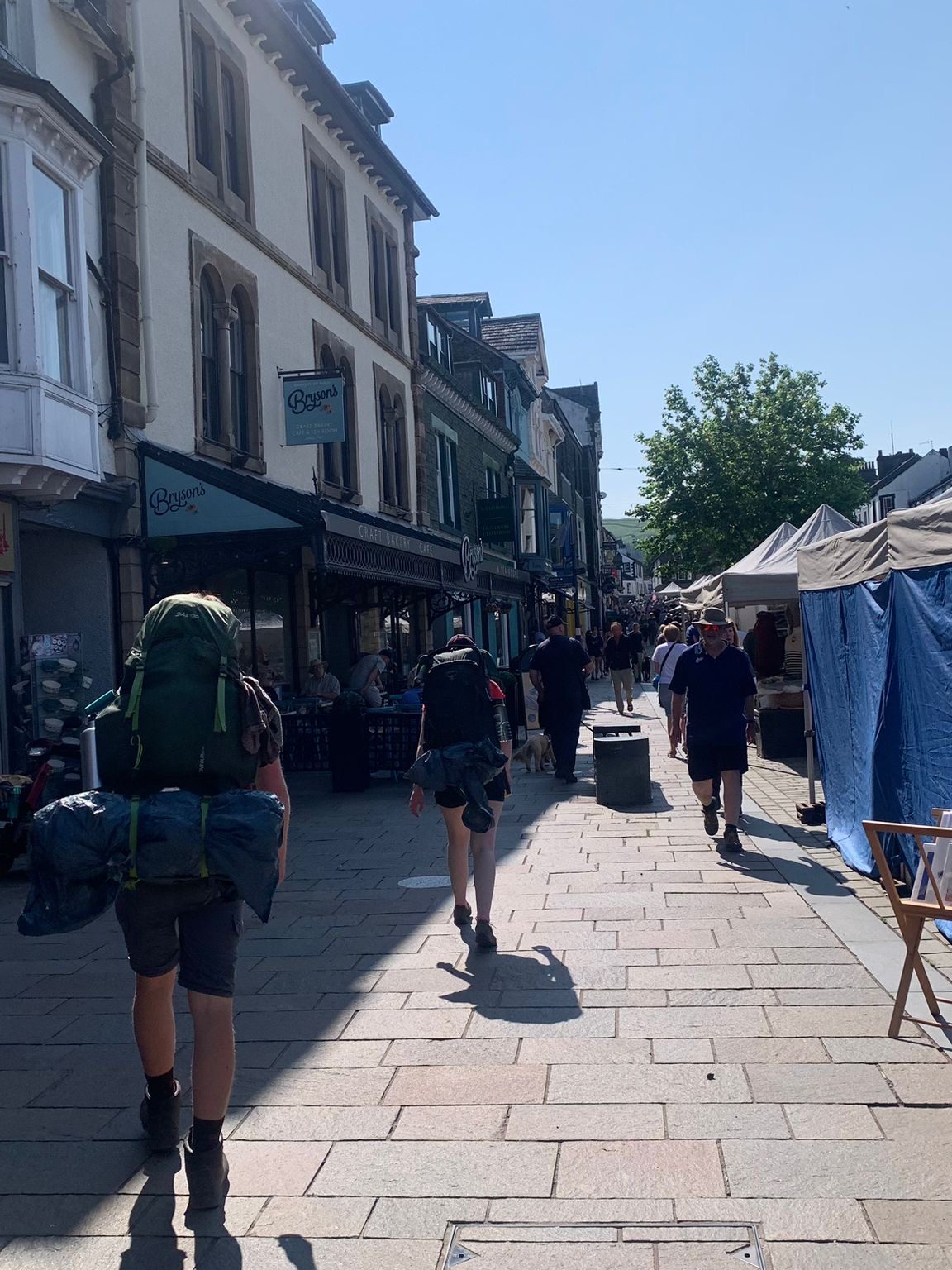
For reference: my pack weighed 12kg (inc. food and drink) but the two boys, who carried more of the tent were towards 16kg. We’re not great examples of lightweight packing and that is definitely something I want to work on going forward.
Walking boots: do you need to wear them?
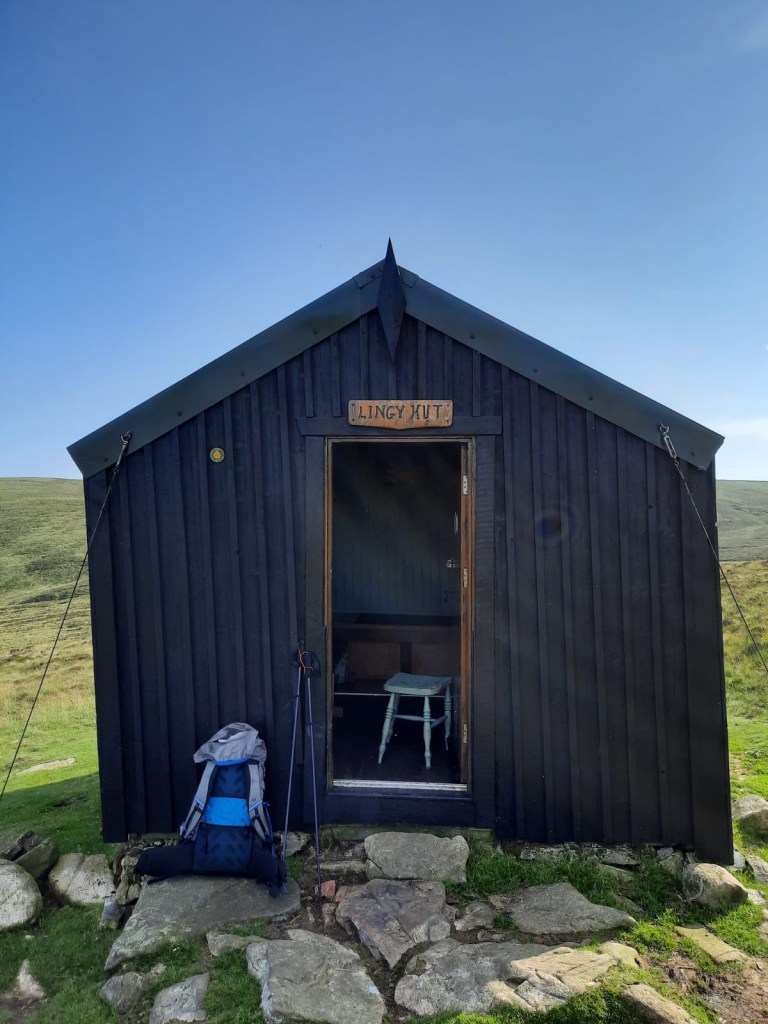
For the most part, the Cumbria Way is a low-level route however there are two notable climbs within that. You head out of the Langdale Valley via Stake Pass which, although similar in total elevation gain to other days on the route at 470m, this is all at once. The other climb comes on day 5 heading from Keswick to Caldbeck. You work your way around Skiddaw, hiking to YHA Skiddaw and then up to Lingy Hut. This was especially tough in 27 degree heat. It is this second climb that involves walking alongside a gill so it was very boggy in places. Other than that though, I think if you had a decent pair of trail running shoes that were waterproof and had good ankle support, you’d be okay.
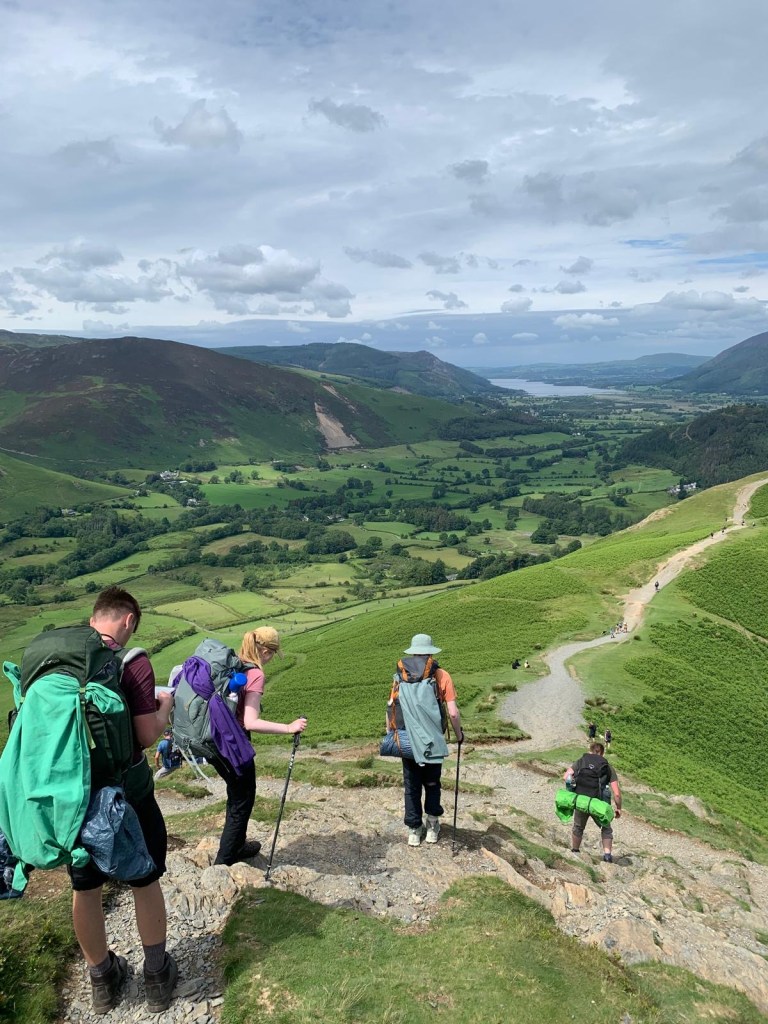
There are optional wainwrights that you can bag throughout the route for an extra challenge including Old Man of Coniston, Catbells (which we did) and Skiddaw.
I wore my leather walking boots, the Scarpa Ranger GTX Active Lite. These boots are my prize possession and I would recommend them highly. I don’t think you necessarily needed leather boots for this walk but for me they give a level of comfort and confidence that was worth the heavier footwear. I will say, I did get a massive blister on my heel but, I think that was mainly due to getting very wet on day one in the pouring rain and then continuing to walk on very soft, soggy feet. I haven’t had any trouble with these boots on any other occasions.
I think that covers all the logistical details you’ll need to know to plan a trip on the Cumbria Way, inspired by how we walked it! I am super happy with all the decisions that we made, especially extending the trip by that extra half-a-day.
If you have any other questions about the Cumbria Way, please leave them in the comments and I’ll answer the best that I can.
Amie x


 Explore with Amie
Leave a reply to explorewithamie Cancel reply