
Newcastle is a city in the North East of England and it is one that I have visited twice in my life. The first was whilst visiting my sister who attended neighbouring city, Durham (post on Durham coming soon!) however, I didn’t actually see that much of the city as we went to the cinema. I believe we watched one of the Marvel films at the time. Safe to say, starring at a cinema scene isn’t the best way to see what a city has to offer. If you’re looking for entertainment venues and shops though, Newcastle certainly has them all. It also has much more than that which I discovered in my most recent visit.
Getting There
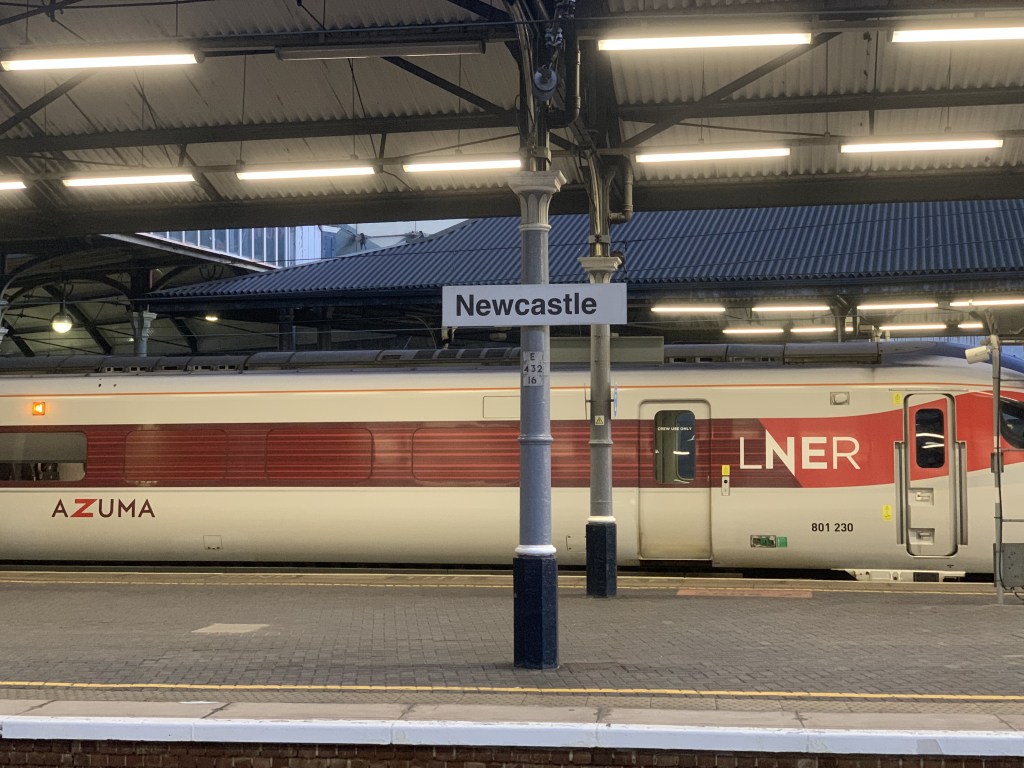
Newcastle is very well connected to the rest of the UK via train. Trains run up and down the east coast main-line from London all the way to Edinburgh, or sometimes Inverness so there are plenty of options. In fact, you can travel all the way from London to Newcastle in around three hours which is incredibly quick all things considered. Northern trains also run from the west coast at Carlisle to Newcastle. As always, Trainline is the best place to get all the travel information you need.
Things to Do and See
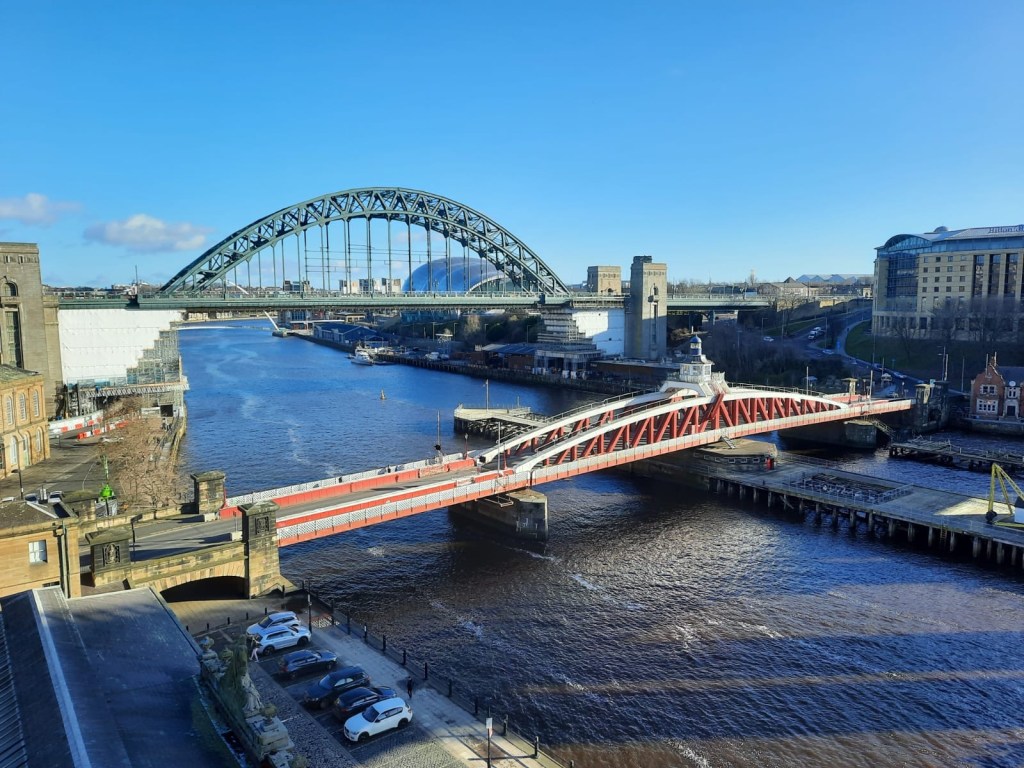
The High Level Bridge
We started our trip to Newcastle by taking in the iconic bridges that the city is known for. First up, The High Level Bridge which is both a passenger, car and train bridge across the river Tyne. This grade 1 listed structure was first proposed in 1835 with the idea that it would help link England to Scotland by train. The bridge construction was finished nearly 15 years later in 1849 and it was opened by Queen Victoria. Walking along here, you can really appreciate the feat of engineering, plus, you get great views across the city and the other two iconic bridges.
Tyne Bridge
The Tyne Bridge is the bridge that you imagine when you think of Newcastle. Most iconography of the city displays this bridge front and centre; it’s very much become a symbol of the North East. It was actually designed by the same company that designed the Forth Bridge, Mott, Hay and Anderson, and you can see much similarities between the two. This bridge is much newer than the High Level Bridge as it was completed in 1928. One again, it was opened by a monarch, this time King George V and Queen Mary who were the first to drive across it. In 2018, it was designated Grade II* listed status which means that it is a particular important structure of more than special interest.
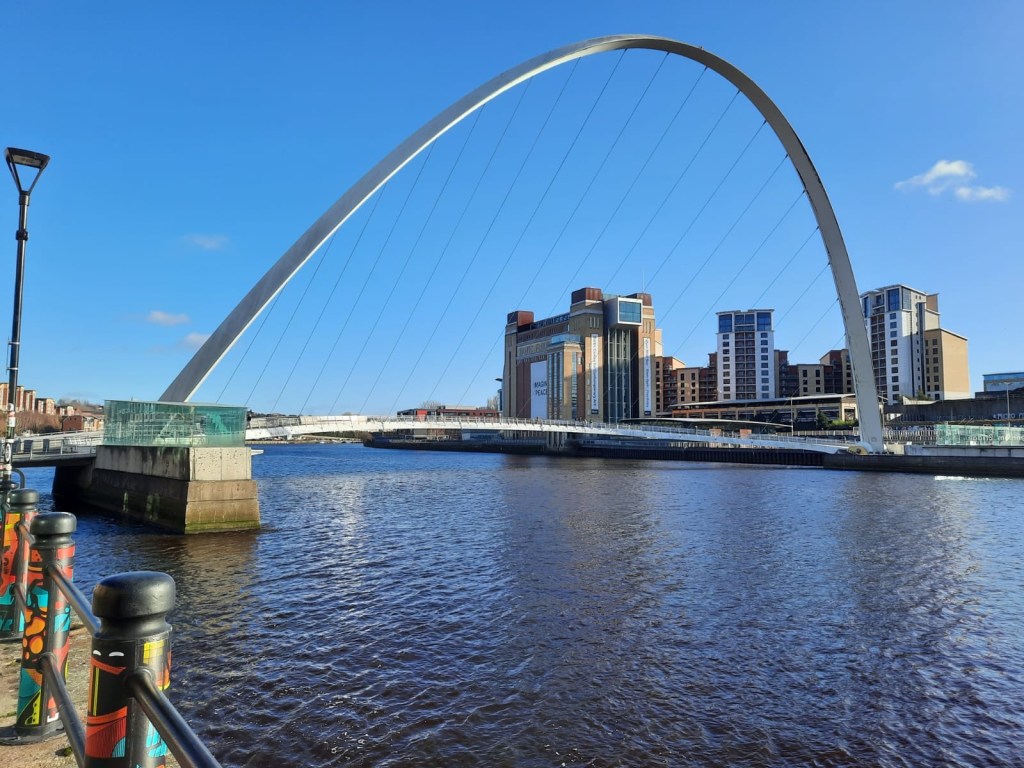
Gateshead Millennium Bridge
The final bridge is Gateshead Millennium Bridge which, as you may have guessed, was built to commemorate and celebrate the millennium. Unlike the other two, this bridge is only for pedestrians and cyclists. The Gateshead Millennium Bridge was the first tilting-bridge ever to be constructed as they wanted to keep up the appearance that the Tyne was a working river, despite the traffic decreasing significantly. It was designed as part of a competition run by the council and was part of larger regeneration efforts on either side of the river. The completion was delayed until 2001 when it opened to the public and a year later was inaugurated by Queen Elizabeth II. You can feel a little bit of movement when you walk over the bridge. When we walked across, a dog became quite concerned by the movement and refused to walk across! It isn’t too noticeable though if this would worry you.
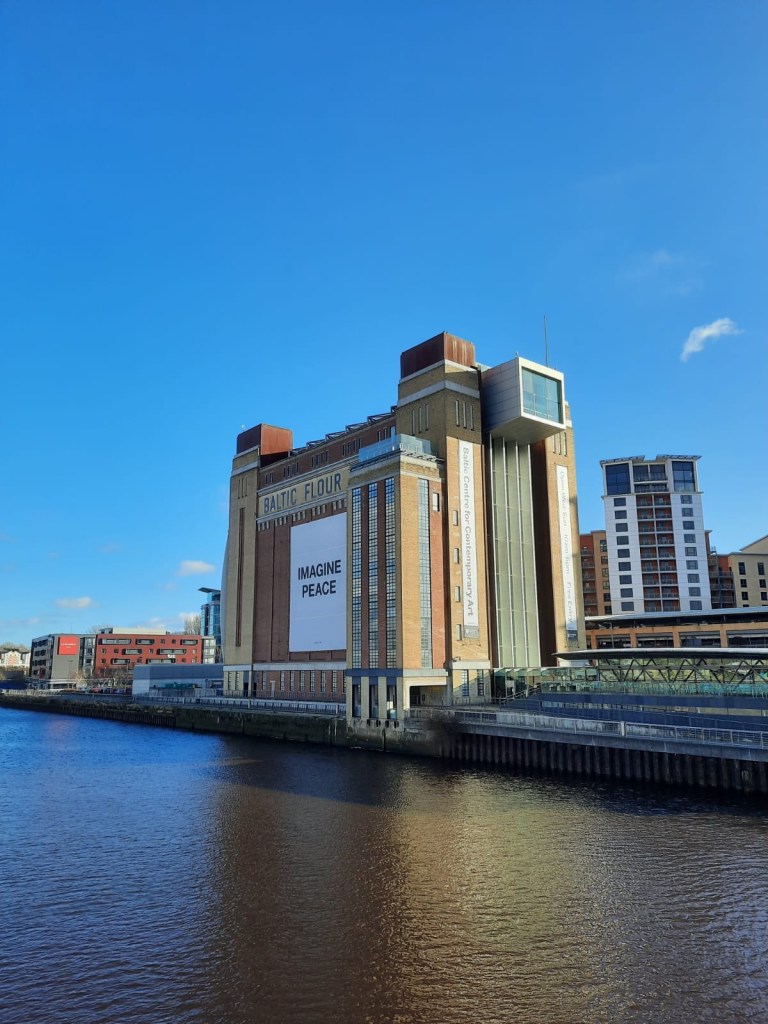
Baltic Centre for Contemporary Art
Basically at the end of the Gateshead Millennium Bridge, you find the Baltic Centre for Contemporary Art. As the name suggests, this is an art museum in an old flour mill. The building itself is pretty impressive to look at. If you are interested in art, there are rolling exhibitions on each floor that change every couple of months. As well as that, it has a shop and cafe. Whilst we did have a look around the art, our main attraction for visiting was the viewing gallery in which you can see across the city and the three main bridges from above. It is well worth heading up to the viewing deck to take a look. Entrance to the museum is free so you do have nothing to lose.
Newcastle Keep and Castle
Moving away from the river towards the city centre, is Newcastle Keep. The Keep is currently one of the best examples of medieval stone dungeons that is open to the public. It has been researched quite thoroughly over the last several years and a dark history has been uncovered in which prisoners were hung, drawn and quartet. You can learn more about this history by visiting the Keep and, you can get some good views of the city from the rooftop.
The Castle as it stands today was built by Henry II with the Black Gate added by Henry III. However, it was built on the site of Curthose Castle which was a motte-and-bailey style referred to as the ‘New Castle upon Tyne’. Curthose’s Castle was built in 1080 however, even this was built on the site of an old roman fortification so the area has a long history of being used for defensive purposes.
Entrance to the Castle and Keep costs £12.50.
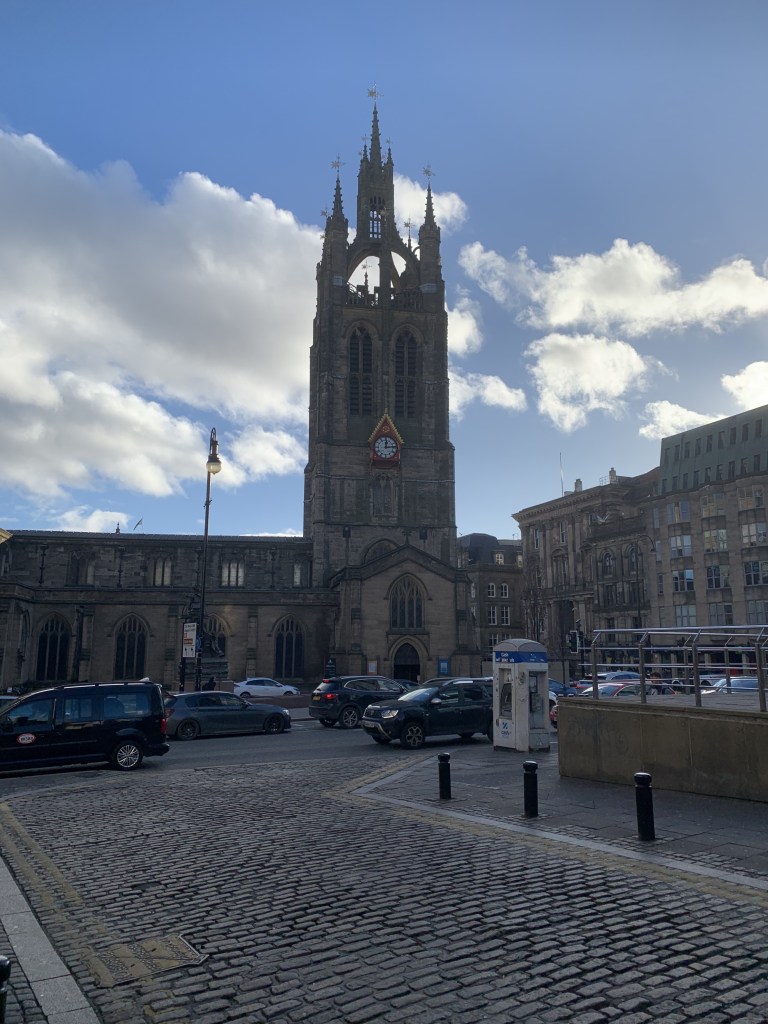
Newcastle Cathedral
Newcastle Cathedral doesn’t quite have the same large courtyard as you see in cities such as Durham or Exeter however, it is still a very grand cathedral. It is the seat of the Bishop of Newcastle and the mother church of the Diocese of Newcastle. The church was founded in 1091, around the same time as the nearby Castle, however it was destroyed by a fire in 1216. The building you see today was built in 1350 and, after restoration in 1777 was raised to the status of Cathedral in 1882. We entered the Cathedral however, there was a service on so we didn’t take the time to look around.
Lit & Phil Library
I was very disappointed when we arrived at the Lit and Phil Library an hour too late and the building had already closed. This library is another Grade II* listed building in the city and it home to historical pieces as well as contemporary literature and music. In fact, this is the largest independent library outside of London. It is free to enter and they host a lot of other events too, such as talks, concerts, discussions and book launches. I would like to take a look inside one day. If you’re a book lover like me, I think you would appreciate this one.
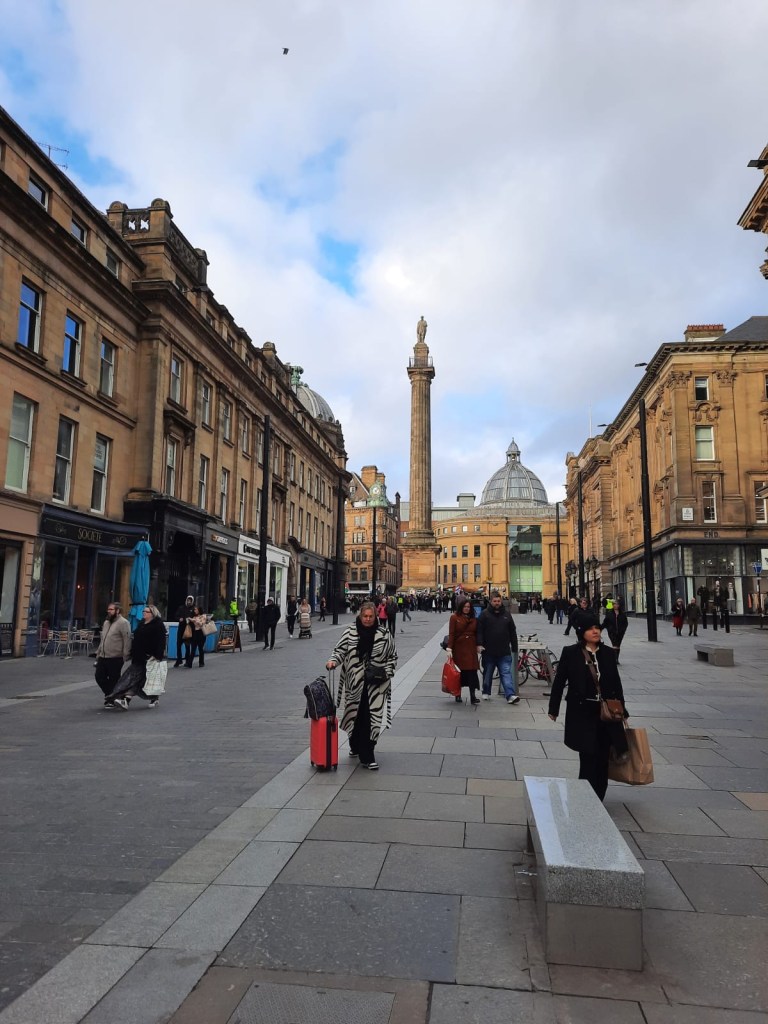
Grey’s Monument
Grey’s Monument, in the centre of the city, was built in 1838 in recognition of Charles Grey who served as Prime Minister between 1830 and 1834. One of Grey’s most notable achievements was the passing of the Great Reform Act of 1832 and the monument was built in part to celebrate this. The Great Reform Act, also known as the Representation of the People Act, changed the way that voting was done in constituencies, making changes to for them to become more equal. Charles Grey represented Northumberland in Parliament from the age of 22. The monument is now used as ‘speakers corner’ and is the area used by protests and gatherings.
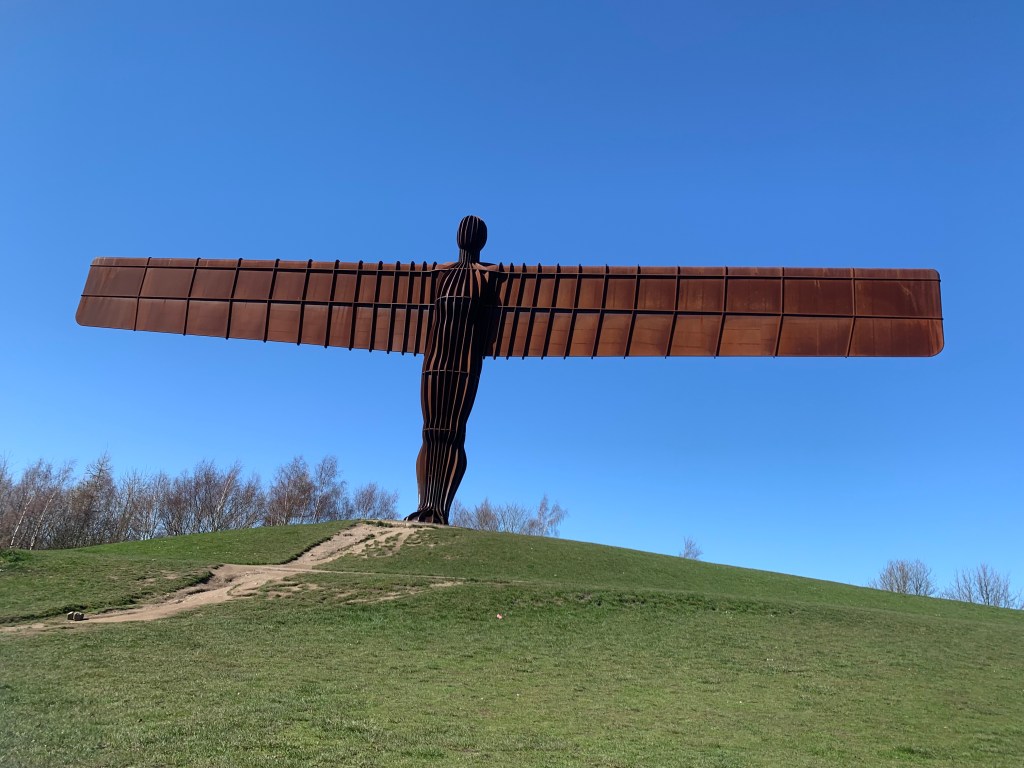
Angel of the North
We’re moving slightly outside of the city now as another iconic site in Newcastle is the Angel of the North. Completed in 1998, the sculpture is viewed by many every single day as it can be seen from both the A1 and from the East Coast Mainline. The sculpture was created by Antony Gormley and the shape is inspired by his own body, like much of Gormley’s work is. It stands at 20 metres tall and the wingspan is 54 metres, making it a rather impressive site when seen from the road. We stopped off here a couple of years ago when travelling back from Edinburgh. It’s a very cool sculpture that I think you should see at least once.

The First…
This one may be a little niche. For any Greggs lovers out there, the first ever store was opened in 1951 on Gosforth High Street by John Gregg. Of course, there are many Greggs all across the UK now, in fact there were 2,389 as of October 2024, and they have become a staple part of the British High Street. From sausage rolls to sweet treats and sandwiches, I can’t say that I’ve been disappointed by a Greggs for lunch. Visiting the first one is just a bit of fun.
As well as Greggs, the first Marks and Spencers had it’s home in Newcastle in the Grainger Market in 1895. It is still a Marks and Spencers outlet stall today! That means that it is also the smallest Marks and Spencers in the world and the original sign has been preserved too. There is now said to be over 1,000 Marks and Spencers (M&S) stores in the UK which all started in the market. Unlike Greggs however, M&S can also be found internationally in places like Shanghai, Dubai and Kuwait.
There we have it. A list of things to do and see in Newcastle-Upon-Tyne. Have I missed any?
Amie x

 Explore with Amie
Leave a comment