Merry Christmas everyone! I hope you had a lovely festive season if you’re reading this post when it went live. If not, I hope you have had a lovely day no matter what time of year it is. Today is the first post in a new series I’m going to start on my blog which is both looking at the industrial history of the UK as well as any abandoned buildings. I find this really interesting and it is something that you can very easily incorporate into trips around an area or hikes in national parks.
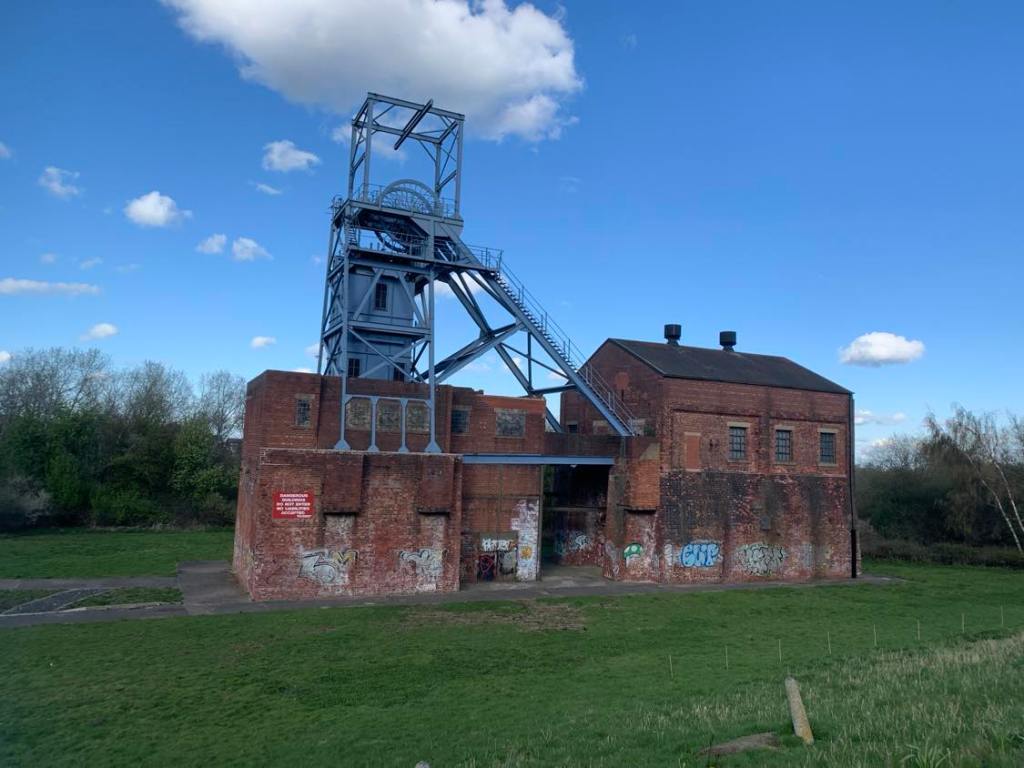
First up is Barnsley Main Colliery which is not far from where I grew up in South Yorkshire. This area is rich with mining history as Cortonwood Colliery in the Barnsley area was where the strikes began on the 6th March 1984. This was the mining strike which ultimately lead to the downfall of the pits.
Barnsley Main Colliery operated until 1991. It is perhaps most famed for a mining disaster which occurred in 1866. On December 12, when it was named Oaks Colliery, there was an explosion caused by firedamp. The incident caused the shaft to be blocked for three days and 361 people were tragically killed. It was the worst mining disaster in UK history until 1913 but still remains one of the deadliest. 334 of the 340 men and boys working underground were killed instantly whilst the death toll rose as those who survived initially succumbed to their injuries. 27 volunteers were killed when their rescue attempts ignited new pockets of gas. A statue was created as a memorial to those who lost their lives on the 150th anniversary of the disaster which is located in Barnsley. A memorial was also erected in 1879 in Ardsley Churchyard. Eventually, the site of Oaks Colliery formed part of Barnsley Main Colliery.
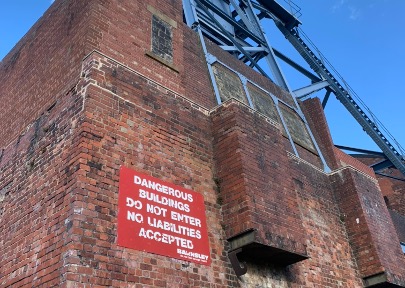
Today, the winding structures are still visible and you can visit the area to have a look around. The pit head and winding structure are now Grade II listed because of their historical significance to the area with recent renovations adding information boards so visitors can learn more about the mining industry. You can tell from the way the brickwork changes on the shaft head house the development and extension of the mine overtime. The old rail tracks are also still present around the courtyard which would have been used used to load the raw materials and transport them to the Dearne & Dove Canal. The two bollards on the outskirts of the area (towards the road) indicate the position of the mine shafts.
If you would like to visit the area for yourself, park in the nearby Dearne Valley Park as the Colliery itself does not have parking facilities. From there, it is only a short walk up Oaks Lane to get to the site. You should need no more than 15 minutes here.
Will you be visiting Barnsley Main Colliery?
Amie x


 Explore with Amie
Leave a reply to Jim Earlam Cancel reply