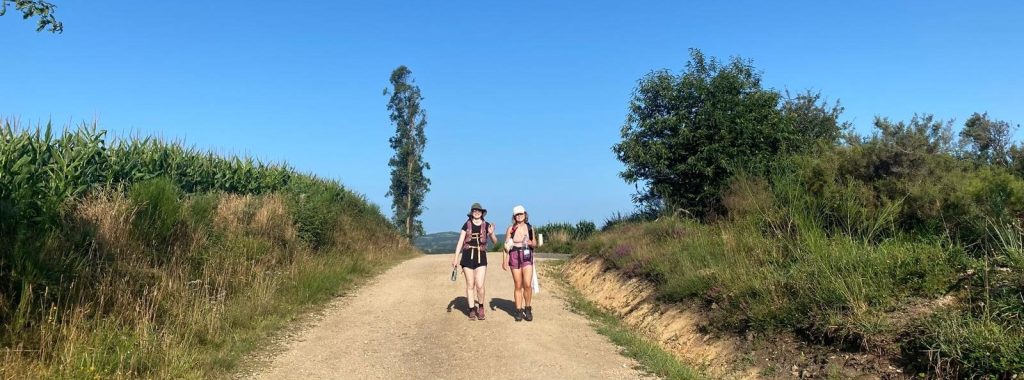
Guest Post: This post was written by my sister, Megan, as she shares her experiences on the Camino Finisterre.
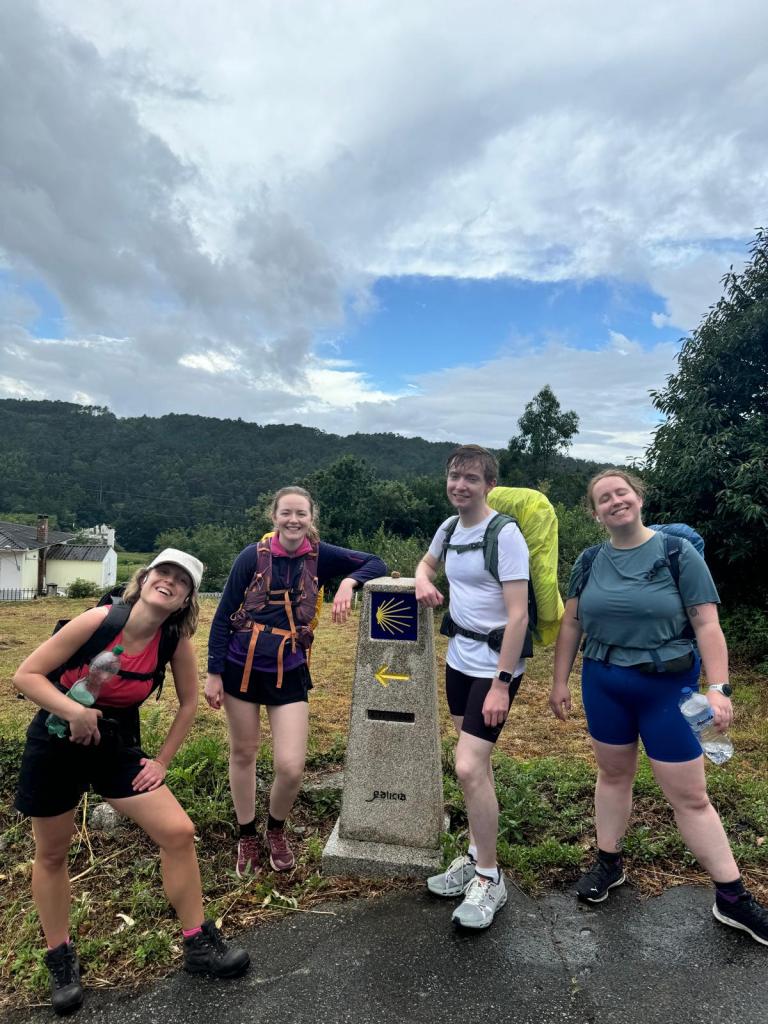
Picture 8 twenty-somethings, none of whom are big walkers, leaving their eight-hours-a-day-sat-down London office jobs to go walk for at least five hours a day for seven days, aiming to cover 100km (which turned out to be 120km, oops) of the Camino de Finisterre smack bang in the heat of Summer.
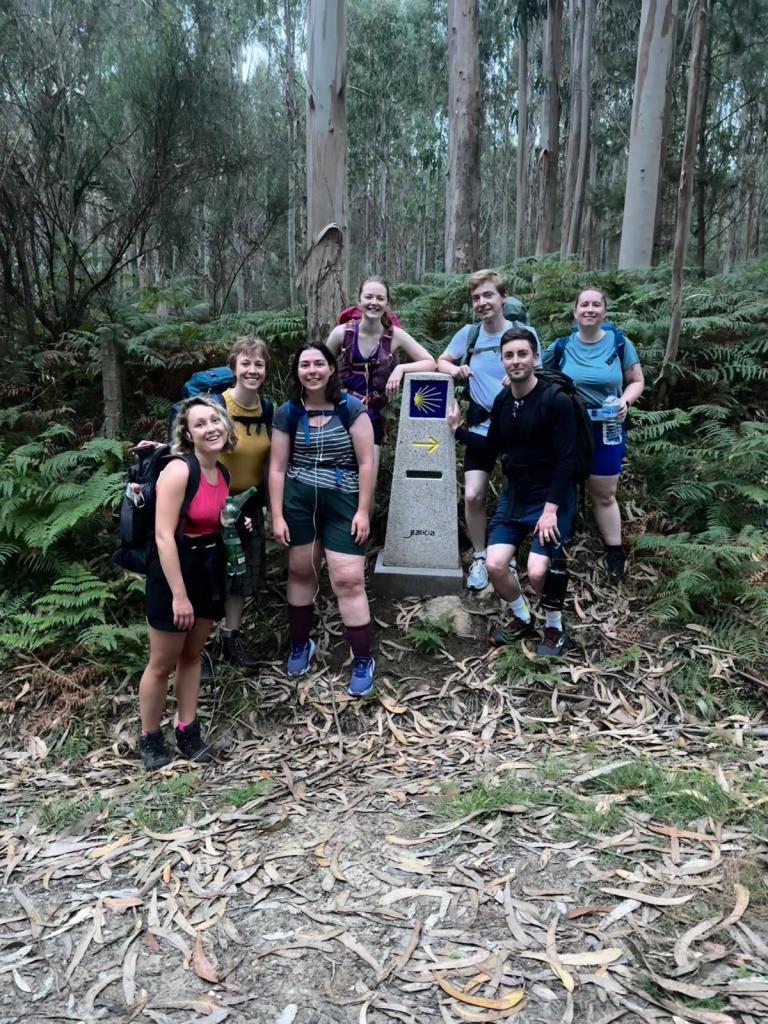
It was physically testing and quite the break from our routines – we finished the walk with 14 blisters between us (I couldn’t help feeling a bit smug not to have any), one dodgy ankle, one dodgy knee, one almost faint and one actual vomit. But don’t let that put you off – I have assurances from everyone involved that they are glad they came in spite of all that.
One highlight from my friend Freida precisely 103 km in: ‘It’s not fun anymore’. There’s plenty more where that came from you can read below (for legal reasons, mostly sarcasm) – we started recording our low points and key quotations as a fond memory we can look back on, which I’d highly recommend.
All that being said, I can wholeheartedly say that walking the Camino Finisterre is one of the best things I’ve ever done – a real bucket list check, not least because I got to do it with so many people I love. So dismiss any doubts and Buen Camino!
Cami-no idea what I’m talking about?
The Camino de Santiago (or the way of St James) is a historic religious pilgrimage that Christians have been walking for centuries. It’s become increasingly popular with tourists with people walking for a whole host of reasons, from a big life change that the journey might help you process, to a silly little holibob with friends.
There are a number of different ‘Ways’ pilgrim’s might walk; the Camino Frances (French Way), the Camino Portuguese (Portuguese Way), the Camino Anglias (you get the picture). A good site for helping you decide which one is Stingy Nomad’s. Some pilgrim’s choose to book on to a tour but you really don’t need to. We were walking at peak times (summer months), so chose a slightly less popular route, The Camino Finisterre, albeit in reverse to the usual walker. This Way is often done by pilgrims who have finished their walk to Santiago and decided that that just wasn’t enough for them, choosing to do a final leg to Finisterre (often known as the ‘End of the World’) and Muxia.


‘I appreciate you checking in, but I’m not going to talk to you’
Alice, 29.9km in
The full length of many of these routes are thousands of kilometers and take weeks to complete, but many pilgrims choose to do the final 100km of any one route as you can then receive your Compostela – a certificate recognising the journey you have made. All you have to do is pick up a ‘pilgrim’s passport’ before starting your journey and record the progress you make by getting a stamp at the different Albergues (hostels) and bars along your way. You need at least two stamps per day to be able to get your certificate.
The idea is you walk the different walking stages with all your belongings on your back (so pack light), but there are supposed to be options for luggage transfers if needed/preferred (just don’t leave it until the night before you fly like one of us did, as you’ll be carrying it then).
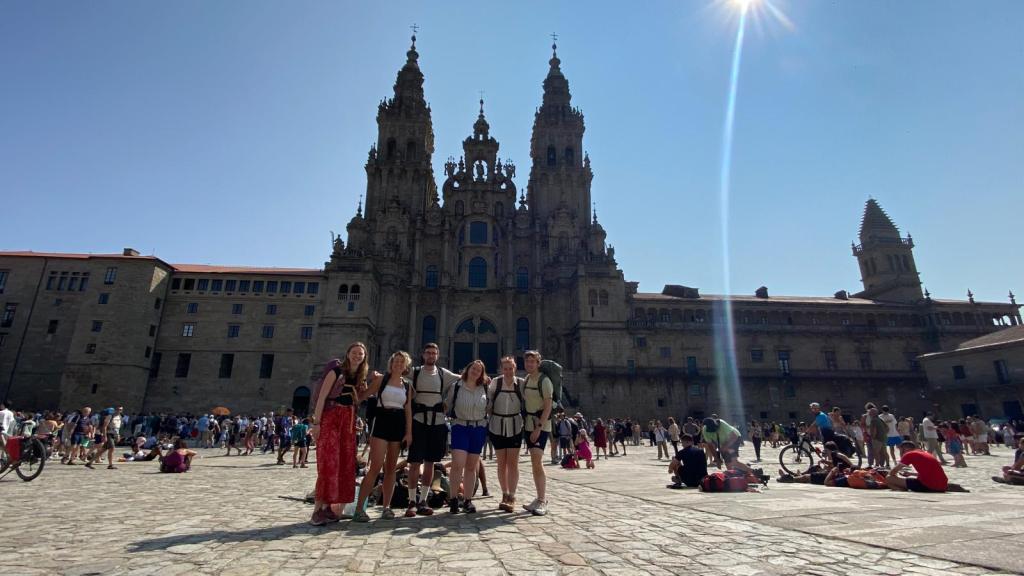
Why am I writing about this?
As I was organising the trip for me and my pals (basically anyone who I managed to convince that this was a good idea), I did a lot of research into the Camino via forums, Youtube videos and blogs but so many things still surprised me, and so I wanted to document these in case it might help anyone thinking of taking the leap, or at the very least let you know what you’re in for.
So that’s how this *first ever* guest post for my sister’s blog has come about – from my urge to tell anyone who might listen how good an experience this was and to encourage them to do it BUT do so with their eyes open. Granted, these learnings are specific to the time of year I walked (mid-August), the route I took (Muxia via Finisterre to Santiago – the Reverse Finisterre), how many I walked with (7 pals) and my approach to booking accommodation (ahead of time, trying to keep to private rooms.). Here goes….
‘I didn’t die in the night, what a shame’
Chris, 115km in
8 things I learned on the Camino Finisterre
- Galician’s love an omelette
I did not want to believe the stranger we met on a train just outside of London who – after overhearing us joke about doing the Camino in roller skates (not advisable, can confirm) – proceeded to tell us that the food was not the one.
However, I can confirm that the main attraction of walking the Camino de Santiago is indeed the walking. We weren’t expecting Michelin star but it seemed to me there was a distinct lack of salt and pepper (and this is coming from someone who only discovered seasoning myself two years into cooking for myself at university).
There was, however, an abundance of ‘Tortilla espanole’ (Spanish omelette) which I had never tried until this trip and (thankfully) thoroughly enjoyed as I had one at least once a day, sometimes twice. It was Galicia’s answer to a chip butty – carb on carb and buttery goodness, so perfect for a weary Pilgrim. Less so for vegan’s, or egg haters.
As someone who sees breakfast as the best part of my day (shoutout my overnight oats), I was disappointed at the high sugar, highly processed snacks we had to gather from supermarkets to get us to the nearest cafe. Granted, we set off unsociably early at around 6/6:30 most mornings, but this was a necessary evil to get us through that first 15km.
I’d be doing Galacia a disservice if I didn’t point out that there were two standout meals of the trip (by a country mile). The first was a seemingly unremarkable bar in Cee (Meson o Club) where I had the best octopus of my life;it was incredible/ Plus some fab paella on our last evening (A Taberna du Bispo) in Santiago. On the whole though, you aren’t doing this for the food but in my case the food was not the highlight of the trip, and I think it is wise to manage your expectations if you’re hoping it will be.


- Cafes/Bars are less frequent than you think
Be prepared to walk at least 15 km before you get to one that’s open at times*, and don’t expect it to offer much more than those supermarket packaged pastries. That’s all you need to know.
| A useful indication of how many KM away the first open cafe we came to was (not exhaustive) | ||
| Walking Stage | Bar | KM |
| 1 (Muxia > Finisterre) – 28km** | Bar O Camino Marisol | 7 |
| 2 (Finisterre to Cee) – 15km*** | Cafe Bar A Taberneira | 5 |
| 3 (Cee to Olveiroa) 20km | Bar O Castelino | 15 |
| 4 (Olveiroa > Negreira) 34km | A couple closer to Olveiroa but a cannae findAlbergue Casa Vella | 19 |
| 5 (Negreira > Santiago de Compostela) 23km | Bar O km 79 | 15 |
*okay, it happened once (and we were setting of around 6/6:30 am so we often passed a couple that were closed)
**all distances approximate, safer to assume i’ve underestimated
***the day to choose if you’re going to leave one of your belongings in the hostel and have to run back
- ‘Relatively flat’ is generous (one for the pals I roped in to the trip)
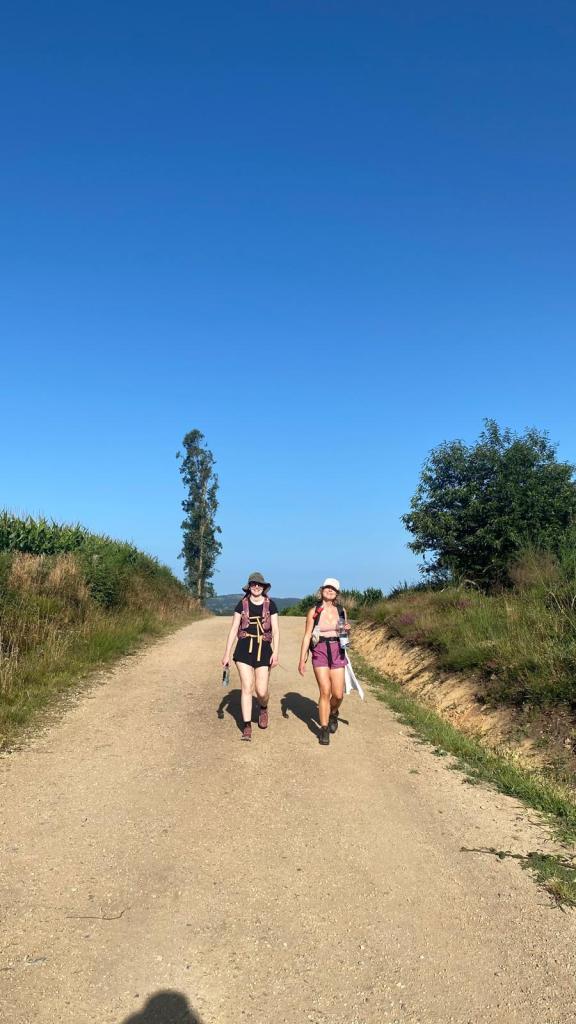
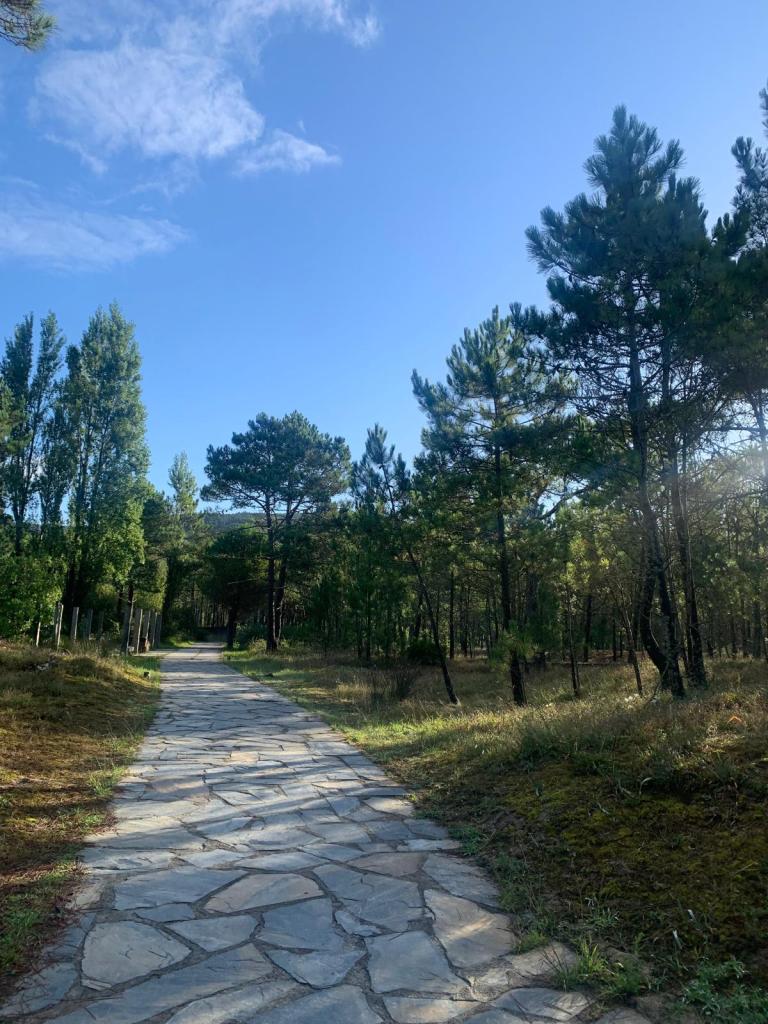
All my research indicated that the Camino de Finisterre was relatively flat. In Santiago’s pilgrim museum the words used are ‘gentle terrain.’ Hence, who can blame me for telling my companions that there will be barely any hills, nothing to worry about. I think we would all agree I was wrong about that, so here’s your fair warning.
Not so secretly, I love a good hill – keeps things interesting – but tried to keep that under wraps at the time whilst everyone was resenting me as we marched up a steep incline that never seemed to end at 7 in the morning.
- Your body is capable of more than you think
It’s incredibly satisfying seeing how your body copes with successive days of little sleep and copious amounts of walking. I’m particularly impressed with my feet which did not hurt nearly as much as I expected them to (flexing the lack of blisters, once again). My hip flexors did start to protest loudly on our final day, however.
That doesn’t mean you should push yourself to the point of pain – some of my group were much better at avoiding that than others (you know who you are). It’s definitely a listen to your body kind of trip when it comes to things like pace, knowing when to take a taxi, when to hydrate or eat etc. ‘Hydrate or die-drate’ as Linda would say.
- The dose of serotonin you get from other Pilgrim’s saying Buen Camino to you is like nothing else
I think Londoners would all be a bit nicer to each other if we started wishing everyone we met to have a good day. Or we’d be shattered by lunch time, not sure which.
- There is a reason they say don’t walk in the midday sun in summer
We got a VERY lucky escape from our ill-advised 34 km soiree in 29 degree heat. The less said about that, the better.
- Don’t expect dinner to be served before 8pm
This is an obvious one for those of you who frequent Spain more often than me, but as a hangry pilgrim, I was outraged. Beer was readily available to fill the hole in the meantime, that’s for sure.
- It’s harder to find your way on The Way than you think
Claims I’ve seen on other Camino blogs/forums: you don’t need a guidebook, don’t bother bringing, it’s easily signposted, you won’t get lost.
At some parts of the journey this is absolutely true. At others, all hail my friends’ Map Pedometer of the route. Getting lost isn’t all fun and games when you still have three hours of walking left in your day.
Last but not least, I will leave you with some bonus top tips. The first two are non-negotiables no matter which route you do (as Emma and her 7 blisters can attest).
- Get a good rucksack (20-40L, with waist straps) –
- my group recommends Osprey’s Tempest Velocity in Pashmina (30L)
- Get good hiking shoes/trail runners
- my group recommends New Balance Trail Runners, or some good ol’ hiking boots
- Brush up on your Spanish (Alice had us sorted)
- Walking early is King
Buen Camino to you and yours
Meg x
 Explore with Amie
Leave a comment