
Millom is a town on the South West coast of Cumbria, and whilst it may not have the best reputation locally, there is some interesting history right on the doorstep. It is located on the estuary of the River Duddon and on the banks of the estuary is where you will find this piece of industrial history.
In 1856, when Millom was barely an established town, iron ore was found on Hodbarrow Point and so the Hodbarrow Mine was created to extract the iron from below the sand and gravel. By the mid 1860’s there were over 200 men working in the mine and seven shafts had been built. The mine continued to grown and by the 1890’s the number of men employed had risen to 1,400 people, most of which worked underground. That is quite an astonishing number however, given that it was the largest iron mine in the world at the time, it is hardly surprising that they needed a lot of people in order for it to function.
Despite there being no ‘disasters’ at the mine, due to the danger of the work, there were many deaths on the site during its operation. The first shipment of extracted iron ore was taken, according to the Ulverston Mirror, on 7th June 1862 and the first incident had already occurred by 1864 in which one man lost his eyesight. It is reported that there were at least 81 fatalities during the mines lifetime however, this number is likely to be much higher with unreported cases or those that have been lost to history. This included men as young as 17. Accidents included people becoming buried due to collapsed rock faces, railway incidents, fires and explosions.
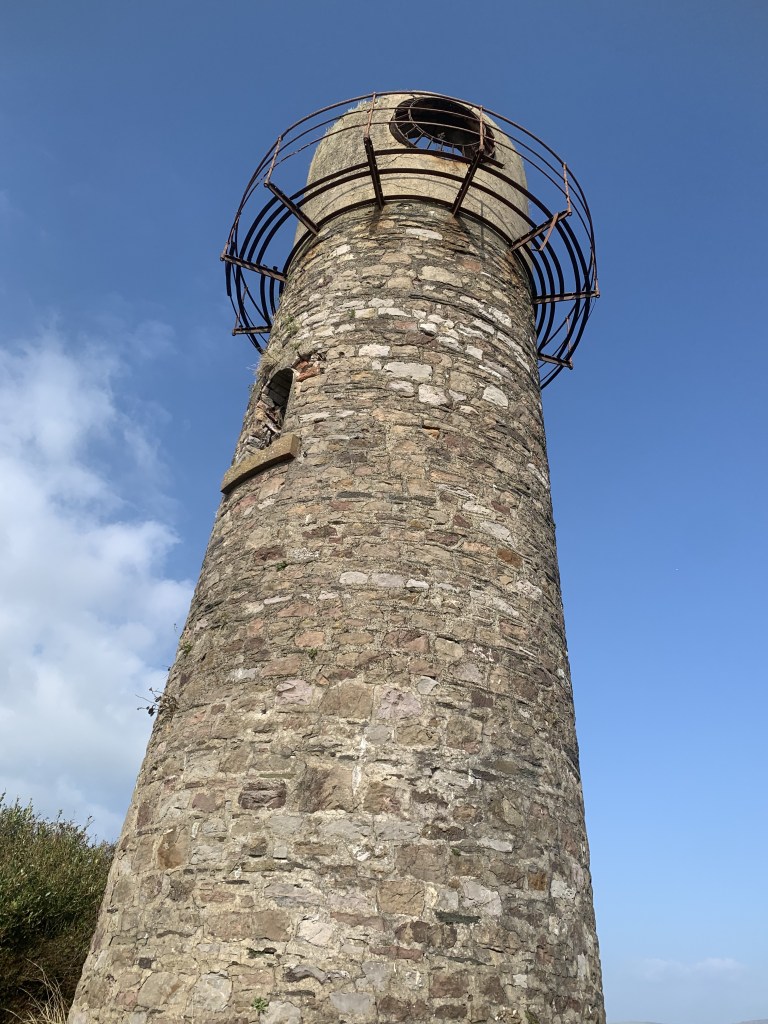
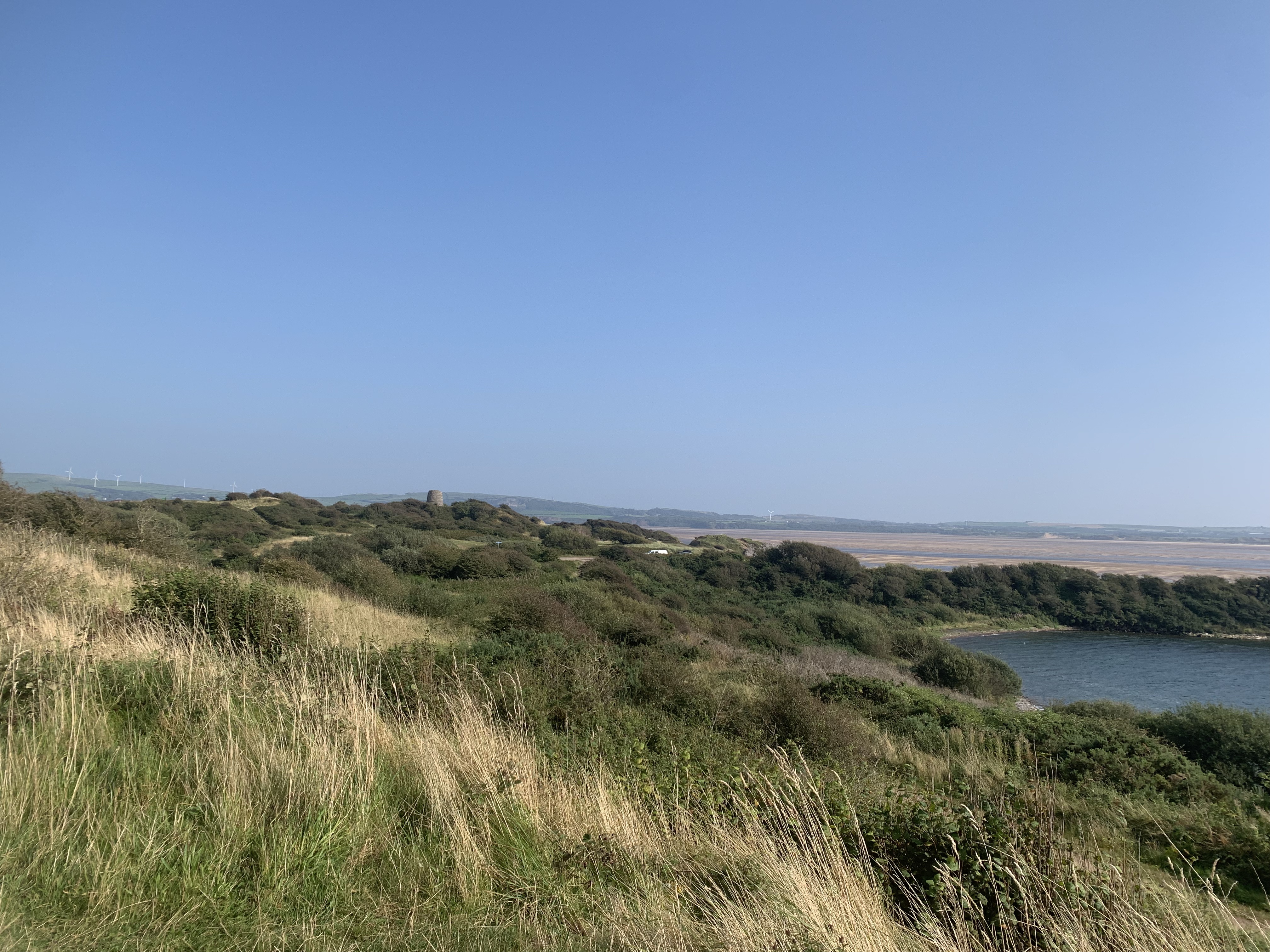
Hodbarrow Mine ceased production and was officially closed in 1968 and the land was bought by the RSPB who still own it today. Hodbarrow Reserve is now a large coastal grassland and lagoon and part of the River Duddon Site of Special Scientific Interest however, remnants of the mine still remain. Take a look at some of the features:


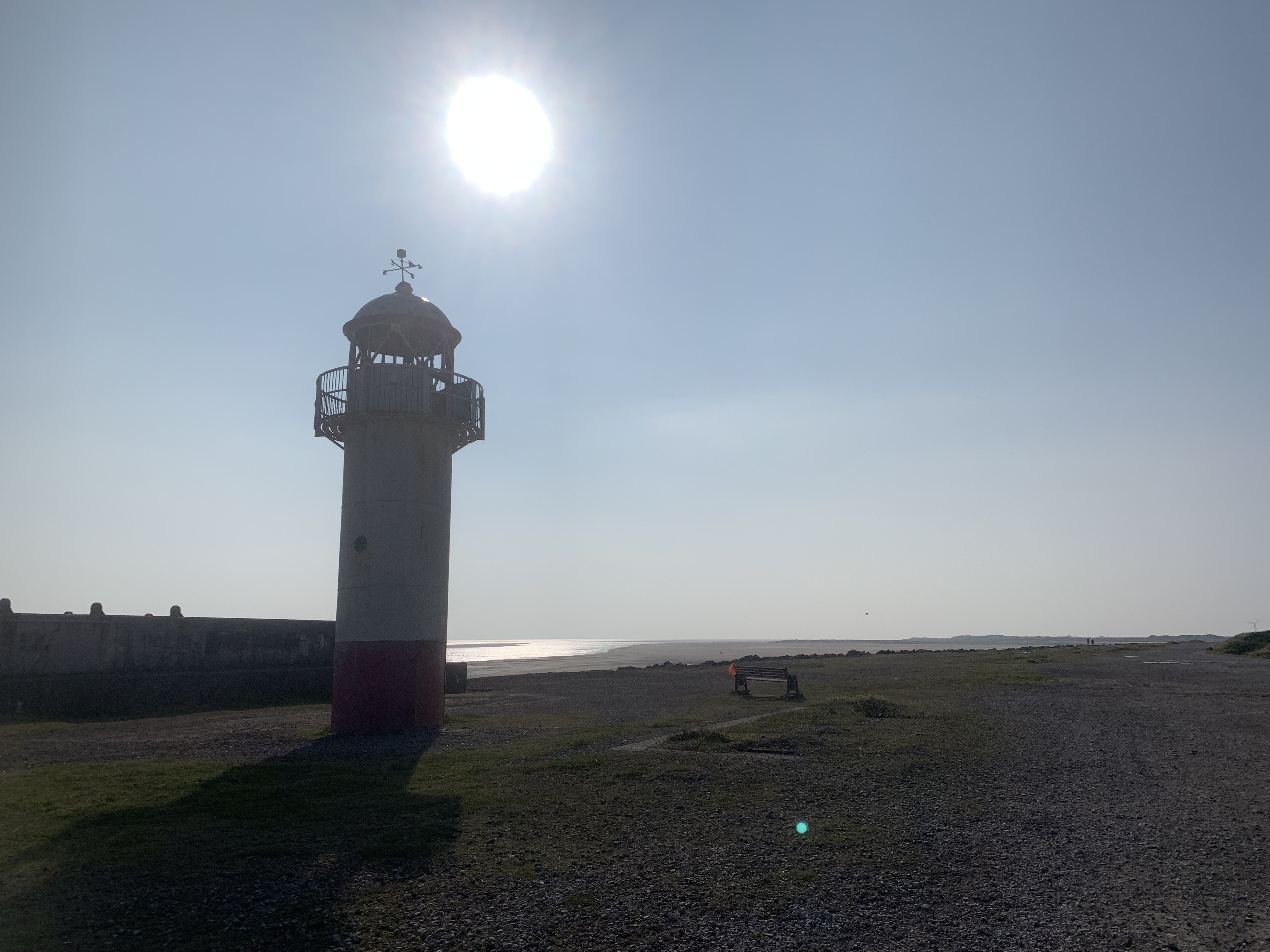
Because of its position, they had to contend with the sea water outside of the mine and so, a sea defence was build to protect it. An initial inner barrier was constructed however, this soon began to fracture and the company decided that a larger area was needed. The Hodbarrow Outer Barrier was built and competed in 1905 and cost £600,000, a hell of a lot of money for those days. This Outer Barrier is still there today and can be seen as part of a walk around this coastline. The area was allowed to flood once the mine had closed.


As well as these coastal features, within the caravan park which is now a prominent feature of the area, the Hodbarrow Mine Office is still standing as a grade II listed building. It was listed in 1981 so now has protection against future development.
As well as all of this history, this was also just a lovely place for a walk around one afternoon and I highly recommend heading out here if you’re in the area. It may seem a little out of way from the Lake District but, with the sun shining, it’s certainly beautiful.
Amie x
Sources:
Newcastle University, Durham Mining Museum, Industrial History Cumbria


 Explore with Amie
Leave a comment