A week later than I planned, I’m going to share with you a great cycle route alongside Dartmoor National Park. This is Devon so we’re talking about a hilly ride that is suitable for road bikes and hybrids. I completed this cycle back in April 2022 and had an Apollo hybrid that I had bought of £50 on Facebook Marketplace. I’d love to do this again on my road bike now, as I couldn’t walk by the end of it.
First, you need to get yourself and you bikes to Okehampton. The Exeter to Okehampton line had just opened when we completed this cycle which was incredibly handy. We wouldn’t have been able to do this route without it! The route also begins right next to the station as the Granite Way follows an old railway line from Okehampton to Lydford, a small picturesque Devon village. From there, we cycled on to Tavistock and then to Gunnislake, dipping into Cornwall to get the train back via Plymouth. There are many great sights to look out for on the way!
Difficulty: Medium
Distance: 34.2km
Elevation: 593m
OS Map: OL28 (doesn’t include Gunnislake)
Notable Features: Meldon Viaduct, Meldon Quarries, Lydford Castle, Lydford Gorge, St Michael’s Church
Look out for: Ring Ouzel, Redstart at the Reservoir
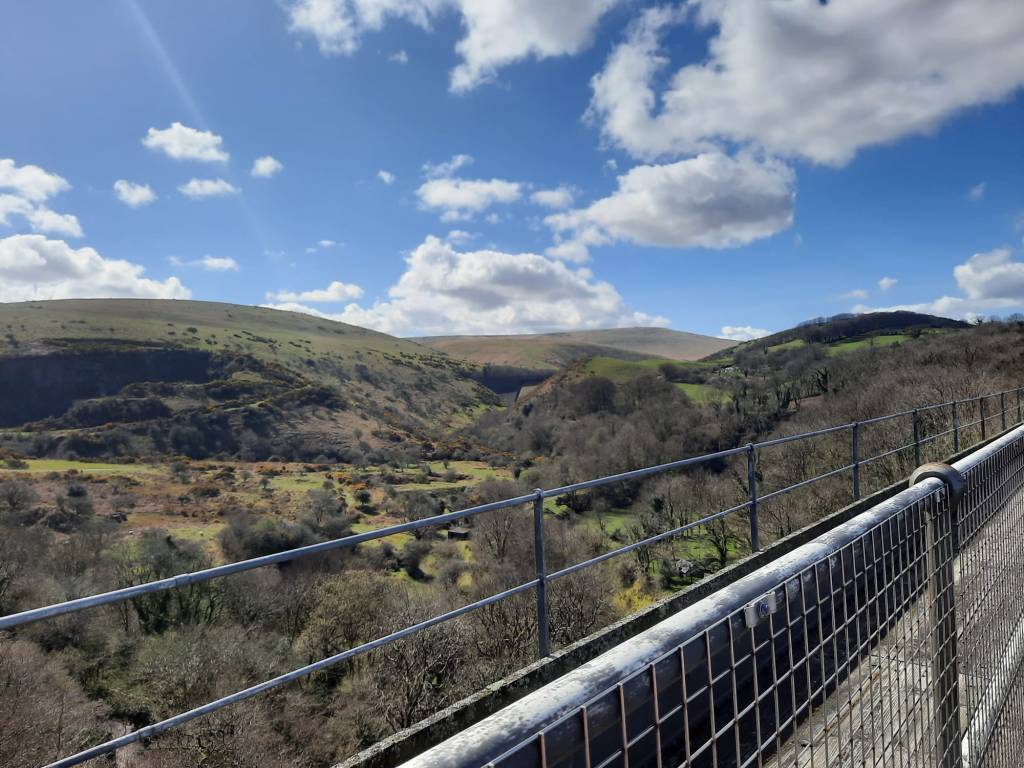
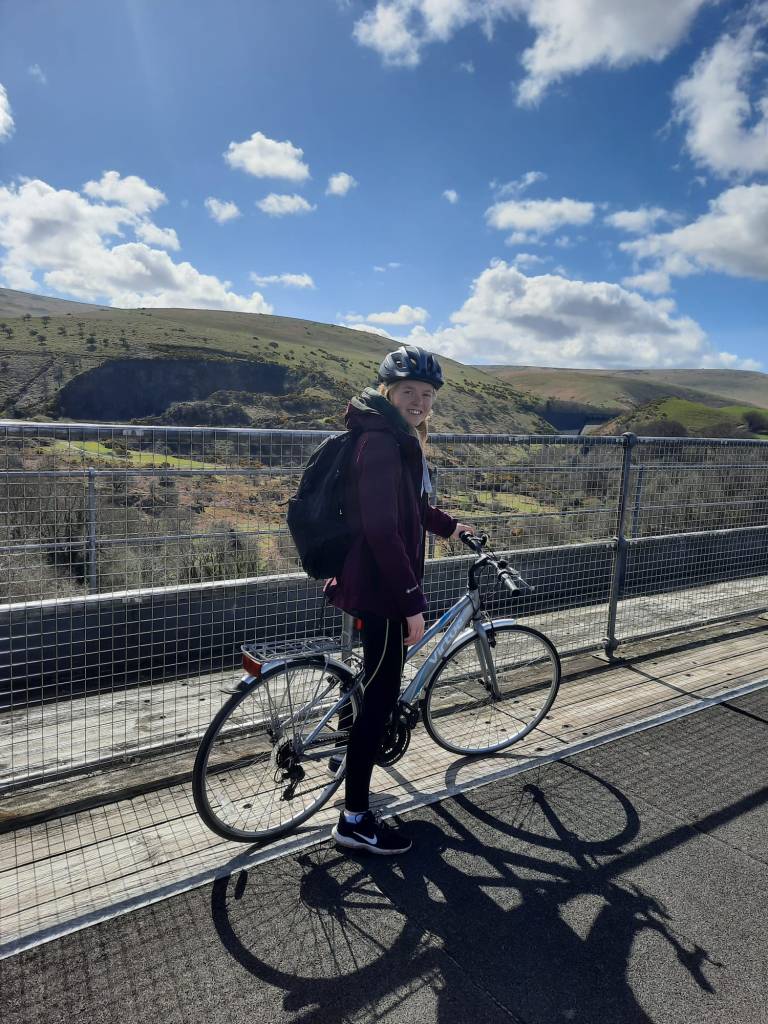
The first notable feature is the Meldon Viaduct which has spectacular view of the surrounding national park and an old limestone mine down in the valley. Meldon Viaduct was built in 1874 and spans 165 metres. In the late 1960s, usage of the old railway was strictly for the local quarries however, by the end of the 1990s, the single remaining railway track was removed. The Viaduct is now classed as a scheduled monument and is is one of only two remaining railway bridges in the UK that use wrought iron lattice piers to support the wrought iron trusses. It is a pretty magnificent feat of engineering and architecture and cycling over is the best way to appreciate it fully.
From Meldon Viaduct, you also can see Meldon Damn and reservoir. There are lots of walking opportunities around the reservoir and beautiful scenery and bird watching spots. However, seeing it from above on this cycle route is a great way to experience it.
The Granite Way cycle route officially ends at Lydford. Lydford is home to a series of waterfalls. Lydford Gorge is a National Trust site and is the steepest river gorge in the South West with a waterfall of 30m tall. There are two walking routes for visitors here, one to the 30m Whitelady Waterfall and the other to descends to the deepest part of the gorge with Devil’s Cauldron pothole. The area around the gorge is actually a temperate rainforest, which are becoming increasingly rare across the globe. Naturally, because this is a National Trust site, there is an entry fee of £11.00 for adults and £5.50 for children (as of July 2024, excluding donation). We opted not to have a look around here because of that – we were on student budgets after all!

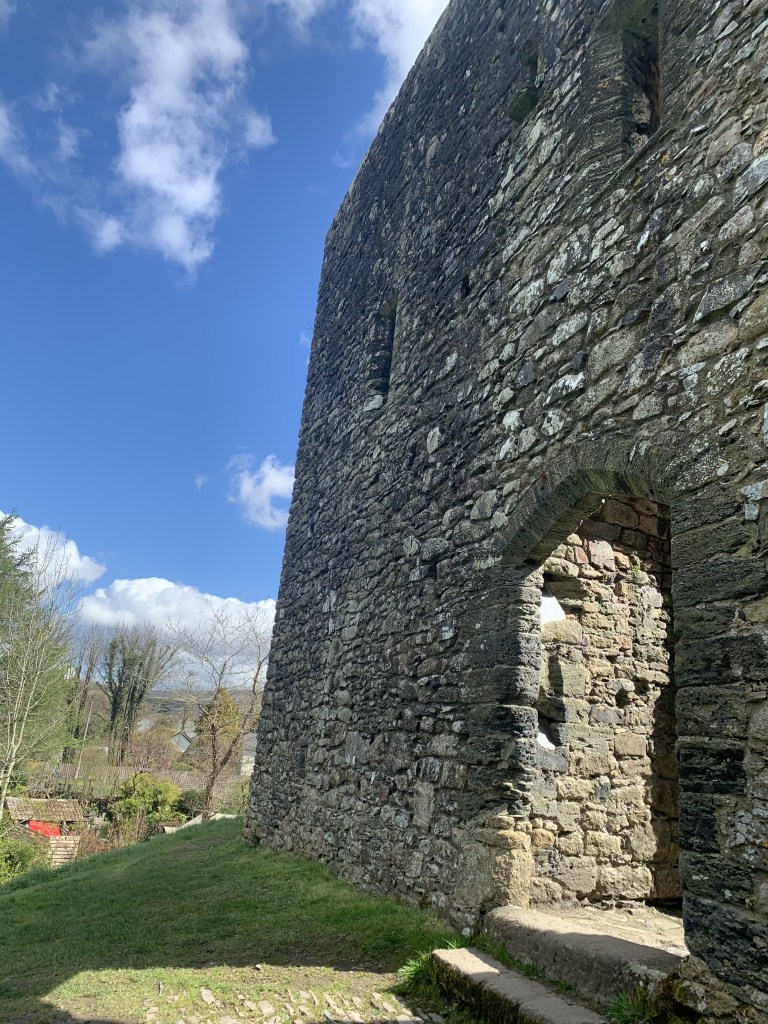
However, we did stop off at Lydford Castle. The castle is a medieval fort which was built following the Norman Conquest of England. It was built to try and control the area after rioting and protests of the Norman rule in 1068. The castle has been redesigned many times over the centuries and has had many uses, including as a prison and a court. However, when Dartmoor Prison opened, Lydford ceased to be a court of legal administration and was left to ruin by the middle of the 19th century. In 1932, the ownership was passed to the state and now the site belongs to the English Heritage. It is free to have a look around the castle and the earthwork remains of the 11th century castle which are owned by the National Trust.
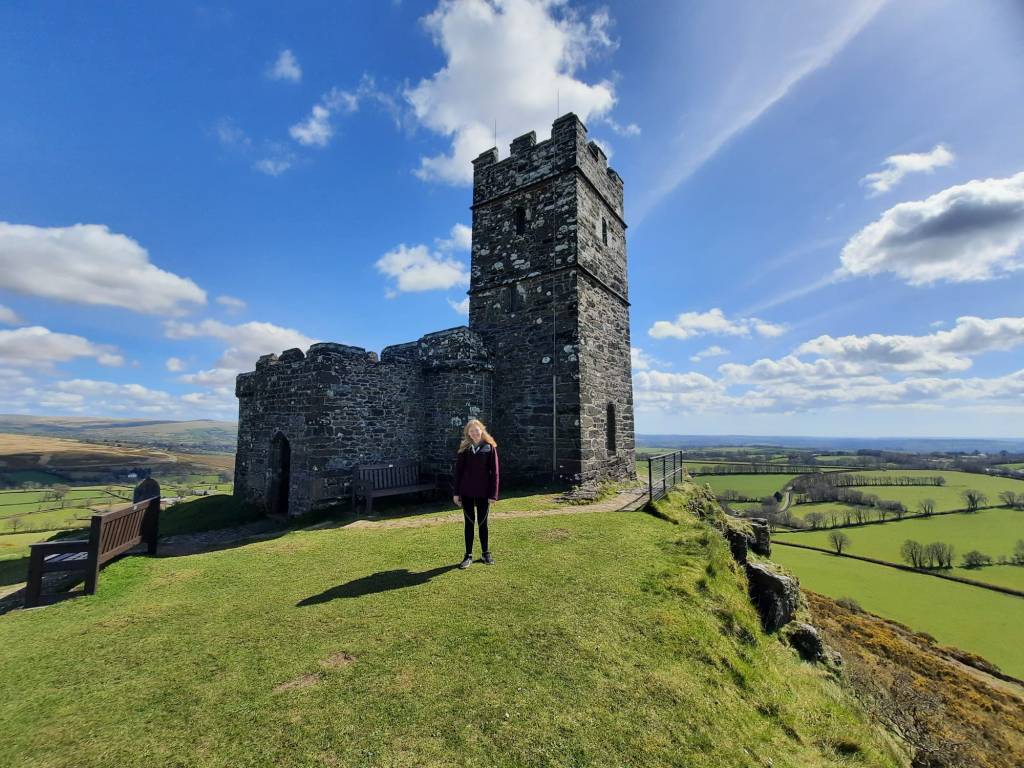
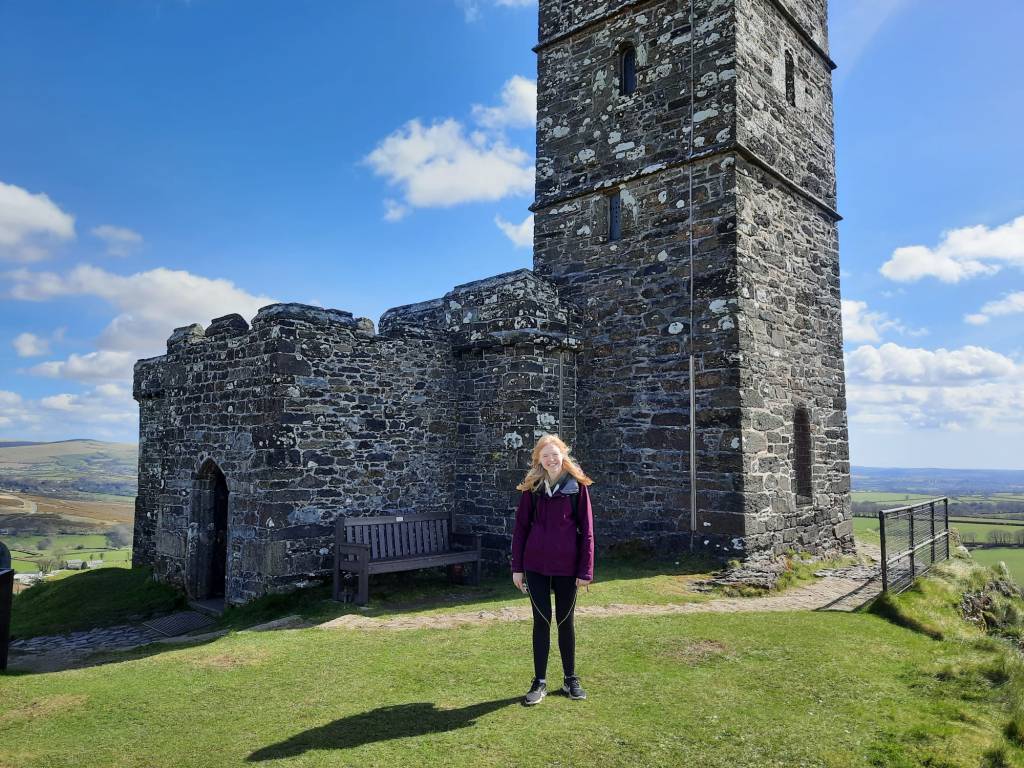
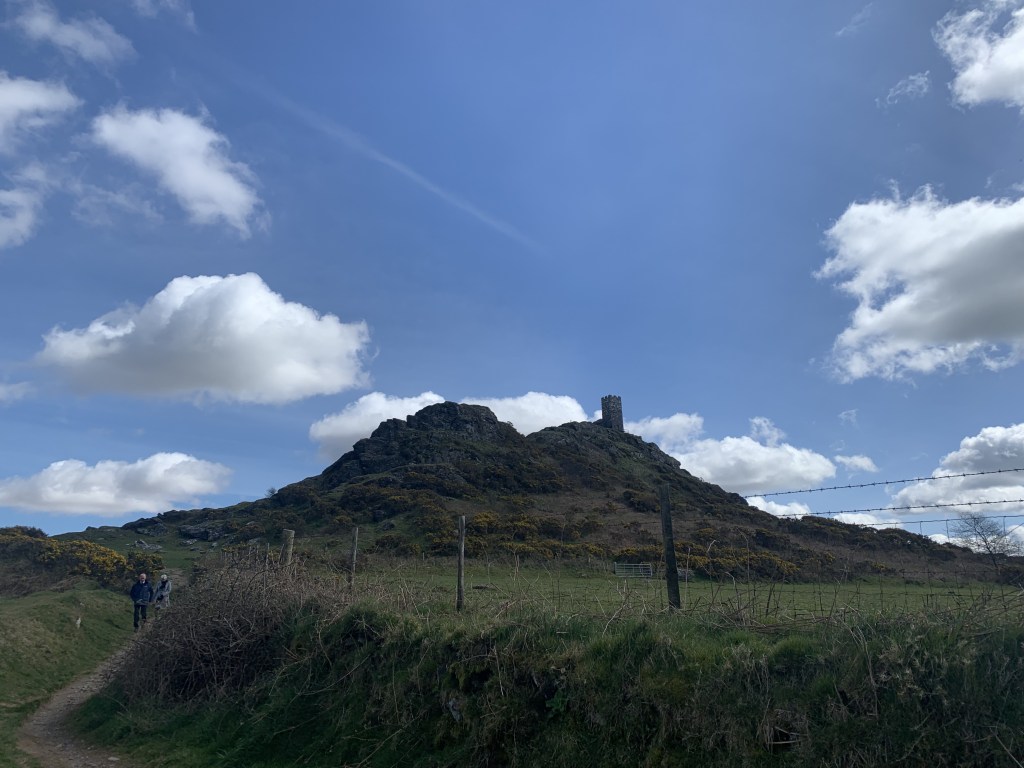
Unfortunately, the route takes to roads beyond Lydford, including a steep climb to Brentor Church. On the left of the road, about 20km into the cycle, is St Michael’s Church. This is technically a Dartmoor tor, Bren Tor which means that it is a large crop of rock on the top of a hillside but, this one also has a church on top. Unlike many of the tors on Dartmoor, this one is not made of granite but rather basaltic lava. The church still acts as the parish church in the area and has regular services. It was founded in 1130 and has since become one of the most iconic landmarks in the area. It is definitely worth hoping off your bike to take a look – and is a welcome break from the hills!
The route then enters Tavistock, a thriving market town on the edge of Dartmoor. We also hopped off the bikes here for a look around before continuing on to Gunnislake. This part of the route follows a main road with some deviations onto smaller lanes however, the hardest part is the final climb through the village of Gunnislake to the train station on the other side. This is an incredibly steep ascent and made all the more difficult by weary legs. We actually got off the bikes to walk up this last stretch as I didn’t have it in me to cycle up. I do wonder how my road bike would impact this but, at the time, I could barely walk never mind cycle. It didn’t help that we had to rush to get the train or wait another hour!
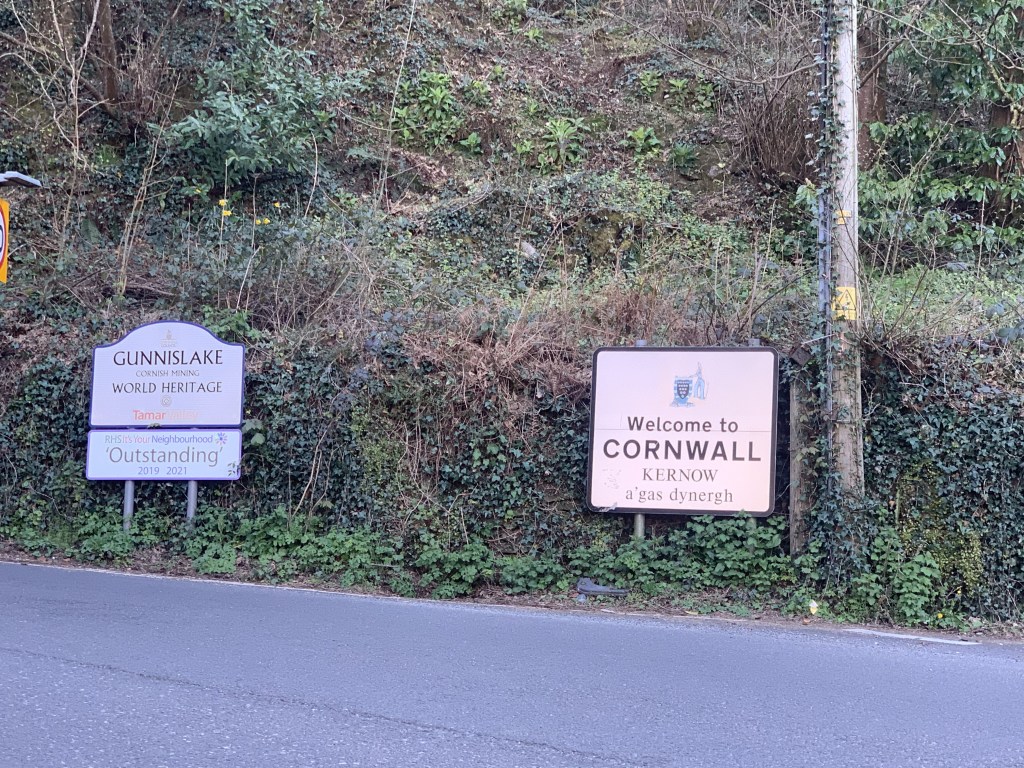
Gunnislake is technically in Cornwall so you’re passed into a new county at this point. From there, it was a case of getting the train to Plymouth and then back to Exeter. As I said, it has been a few years since we completed this route and I still look back on it as an amazing, albeit difficult, ride.
For a more detailed look at the route, click here.

Start Point: Okehampton Train Station
- From the station, head to the left to join the cycleway.
- Follow the Granite Way, crossing the A30 and crossing the Meldon Viaduct.
- Continue to follow the trail until it meets Lydford.
- From the cycle path meets the road at Lydford, turn right and follow this road past the Castle and the Gorge.
- Continue to follow this road, keeping left at the fork, until St Micheal’s Church (Brentor) appears on the left.
- Hop off your bike and explore St Micheal’s Church.
- Head back down to the road and continue on to Tavistock.
- Follow the A390 out of Tavistock. Use the lanes to cut some of the corners of the A390.
- Continue to Gunnislake. Cross the river and follow the road to the left and up hill into the town.
- Follow the main road through the town and up hill to the train station.
End Point: Gunnislake Train Station
I’m tentatively putting the diffiulcty as medium here even though I found this quite difficult two years ago. With the right bike and cycling experience, I think this is perfectly doable though.
Have you cycled the Granite Way?
Amie x


 Explore with Amie
Leave a comment