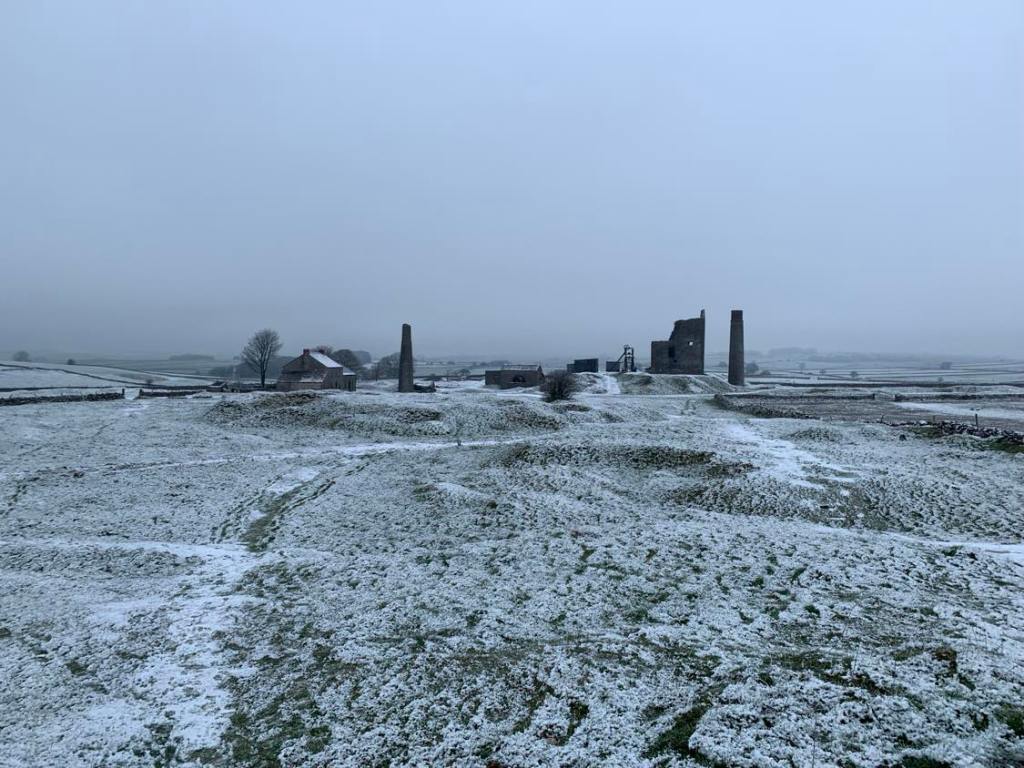
It has been a few months since I’ve done an addition to my Industrial History series on my blog so I thought I’d share another location with you today. If you missed the first instalment, you can check that out here. In that post, I highlighted Barnsley Main Colliery and, although we have another mining related location here, this series will also feature other forms of industry and abandoned places too. I visited Magpie Mine in December 2022 and, I actually had covid-19 when I was there – I didn’t know that at the time though!
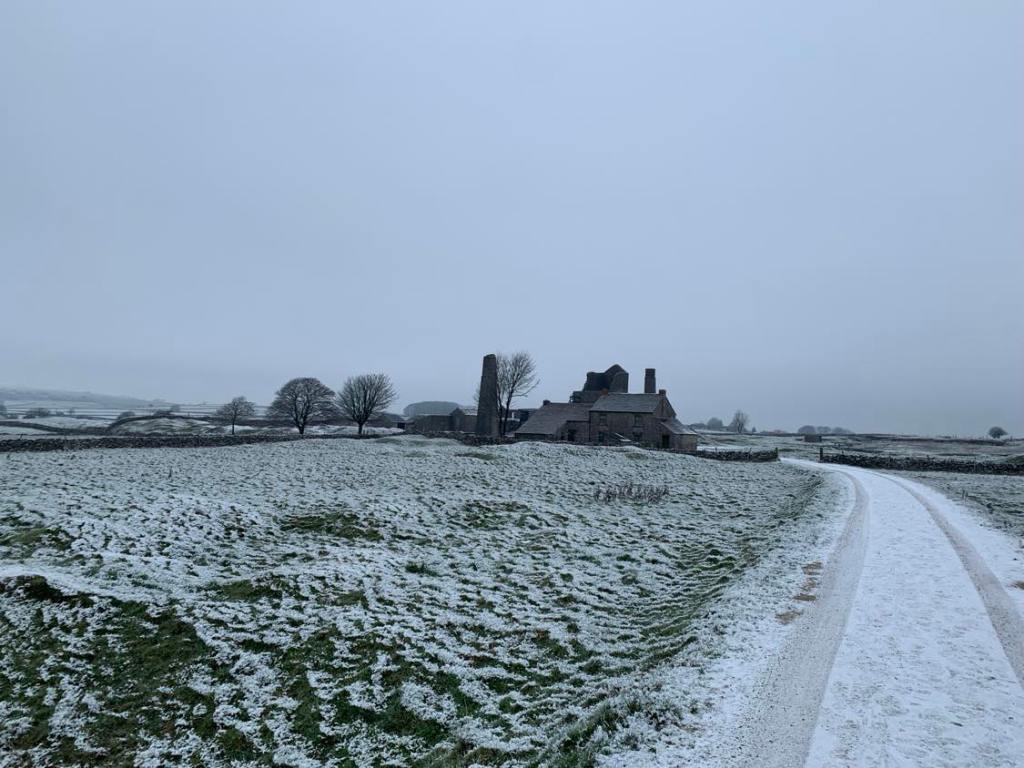
Magpie Mine is a disused lead mine that can be found near the village of Sheldon in the Peak District, not too far from Bakewell. The site is thought to be one of the best examples of industrial history in Derbyshire. You can park along the road side here which is what we opted to do as it wasn’t very busy when we were there or, you can walk to the mine from the nearby village of Sheldon. This is the preferred option by locals as you have to be sure not to be blocking the road or any gates when parking alongside the road.
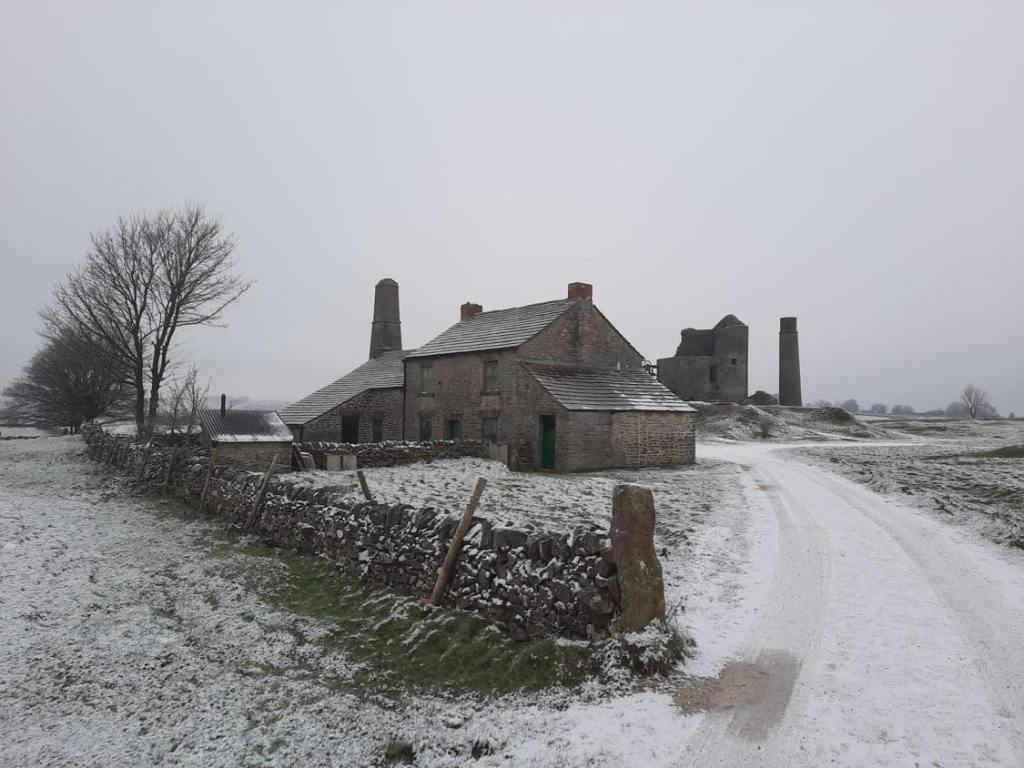
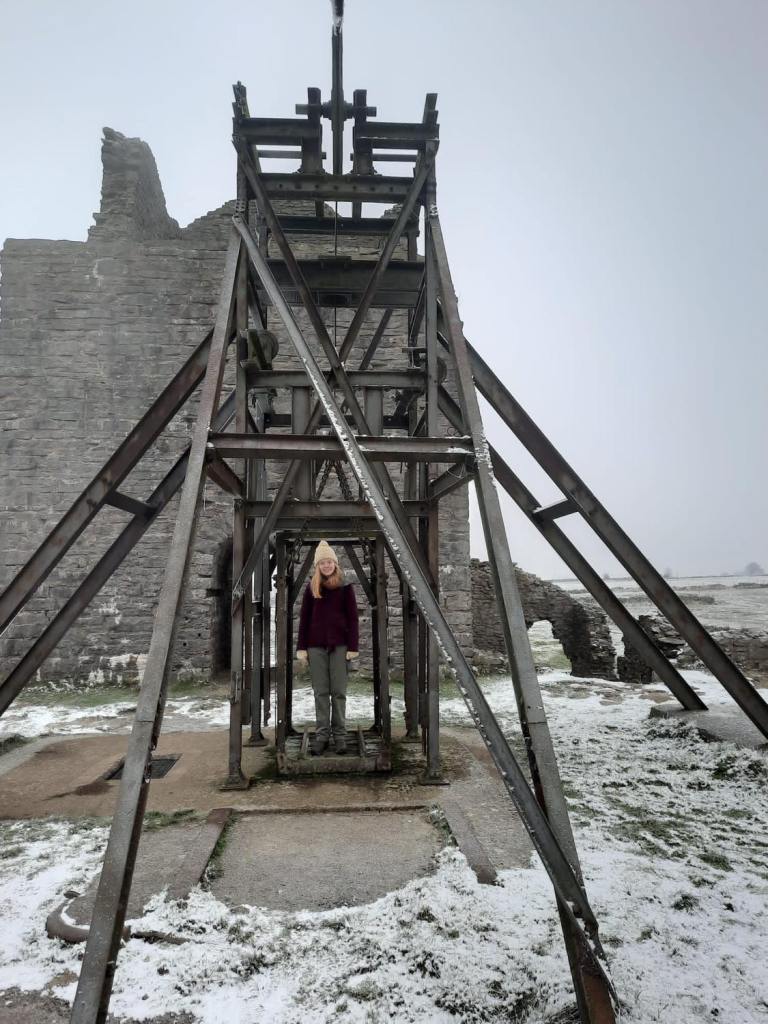
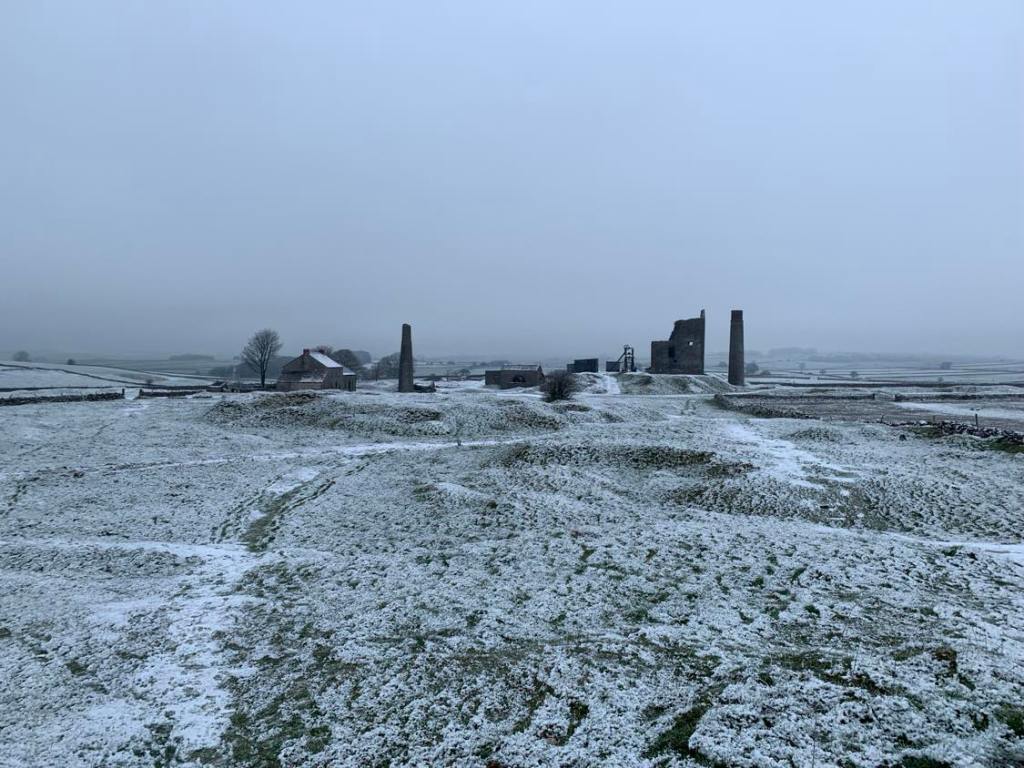
The site hosts many different features and buildings from when this was a working mine. Perhaps the most impressive of them all is the Cornish Engine House which dates back to 1896. There are also old chimneys, a winding drum, horse gin and flute on the site. For safety reasons, all of the mine shafts have been capped or filled in so you cannot access underground from here. However, if you look down the grille on the Main Shaft in front of the engine house, it is possible to see the flood water at the bottom on a very bright day. The water is over 500ft below the surface and emerges at the River Wye. Around 4-6 million tonnes of water are still discharged each day.
Now, onto the history of the mine. First mentions of the Magpie Mine are found in 1740 but, the miners had issues with flood water. By 1824, a pump had been erected and the mine was able to produce 300 tonnes of lead in 1827. This remained the record amount produced in one year for just under 50 years until 1871.
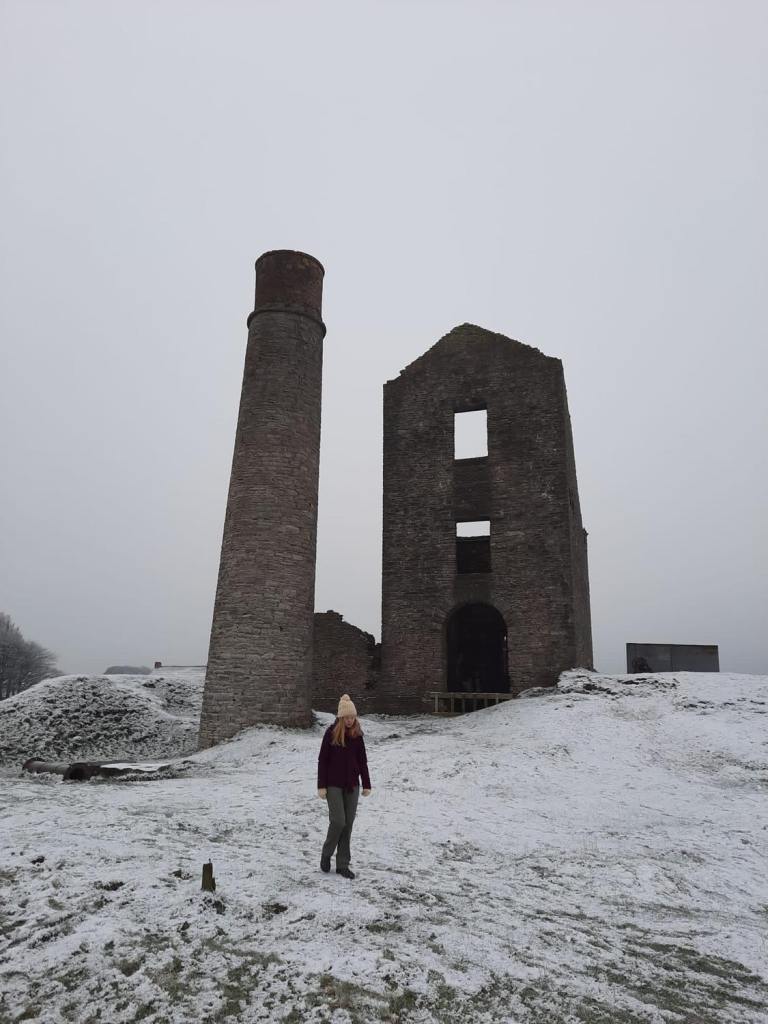
There were lots of conflicts between the different mines in the area. In fact, in 1833 three miners from the neighbouring Maypitt Mine were suffocated after a fire was lit by miners from Magpie Mine. 24 Magpie Miners were put on trial but most were ultimately released. It is said that the wives of the murdered Maypitt miners put a curse on Magpie Mine which ultimately lead to its demise when it closed in 1835.
It was, however, reopened by a Cornish engineer called John Taylor. Taylor made many changes and advancements to the mine including making the main shaft 200 metres deeper and improving the pumping system. Though the mine closed and reopened many times in the years that followed, after WW2 little action occured on the site. Ultimately, Magpie Mine closed for the final time in 1954.
Nowadays, the site is recognised as a Scheduled Monument and is a tourist attraction for visitors in the area. I highly recommend going to take look if you’re visiting the Peak District.
Amie x
 Explore with Amie
Leave a comment