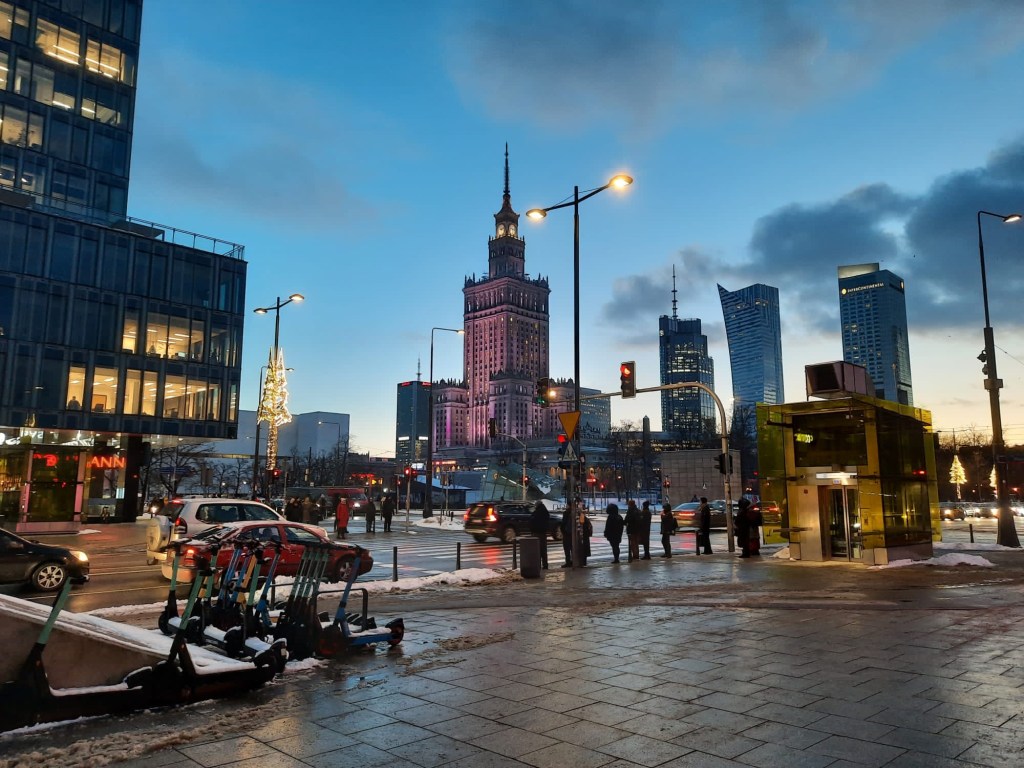
It is hard to believe that I am calling a capital city an underrated tourist attraction but, I think most people simply visit Krakow when they travel to Poland. Don’t get me wrong, Krakow is a beautiful city (more on that next week) but they are missing out on the treats that Gdansk, Warsaw and I’m sure many other cities have to offer. Over the next two weeks, I’m going to continue taking you though my recent trip to Poland. Last week, I shared all of the incredible sights that Gdansk has to offer whilst this time, we’re shining a light on Warsaw, Poland’s capital city.
Warsaw is the largest city in Poland, located slightly to the east of the country. It is actually the 7th most populated city in the European Union (EU) with 3.1 million residents in its metropolitan area, 1.86 million of which live within the central area. It is an area of cultural, historical and political significance as the governmental seat of the country. We discussed on the trip how it was funny that if you were to visit the England, the first place you would go is London whereas, as I said earlier, most people have only visited Krakow in Poland. Despite that, this city really does have a lot to offer the tourist.
Travelling to Warsaw
If you are travelling from within Poland to Warsaw, Warszawa Centralna is the main (as the name suggests) train station and it has links to most of the major cities. We travelled from Gdansk but you can also travel from/to Lodz, Krakow, Poznan, Katowice or as far as Berlin and Budapest. The options are endless by train! However, if you are flying into the city, its main international airport is Warsaw Chopin, although Warsaw Modlin also is used for international flights from budget carriers. You can very easily get the train to the city from Chopin on the RL or S2 trains or there are options to get the bus. In fact, the airport is only 40 minutes outside the city which is not too bad at all. From Modlin, the process is ever so slightly more difficult as you have to travel to the town that the airport is named after and then travel from train from there. The airport is only 10 minutes bus ride outside of Modlin though so it shouldn’t be too difficult to navigate.
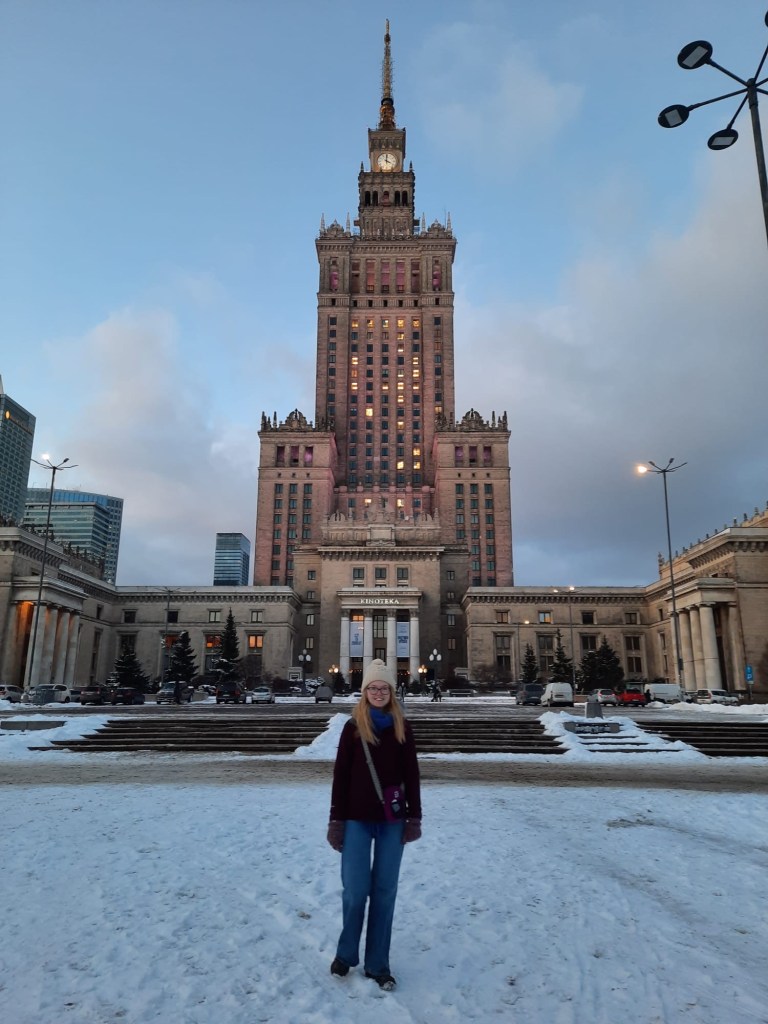
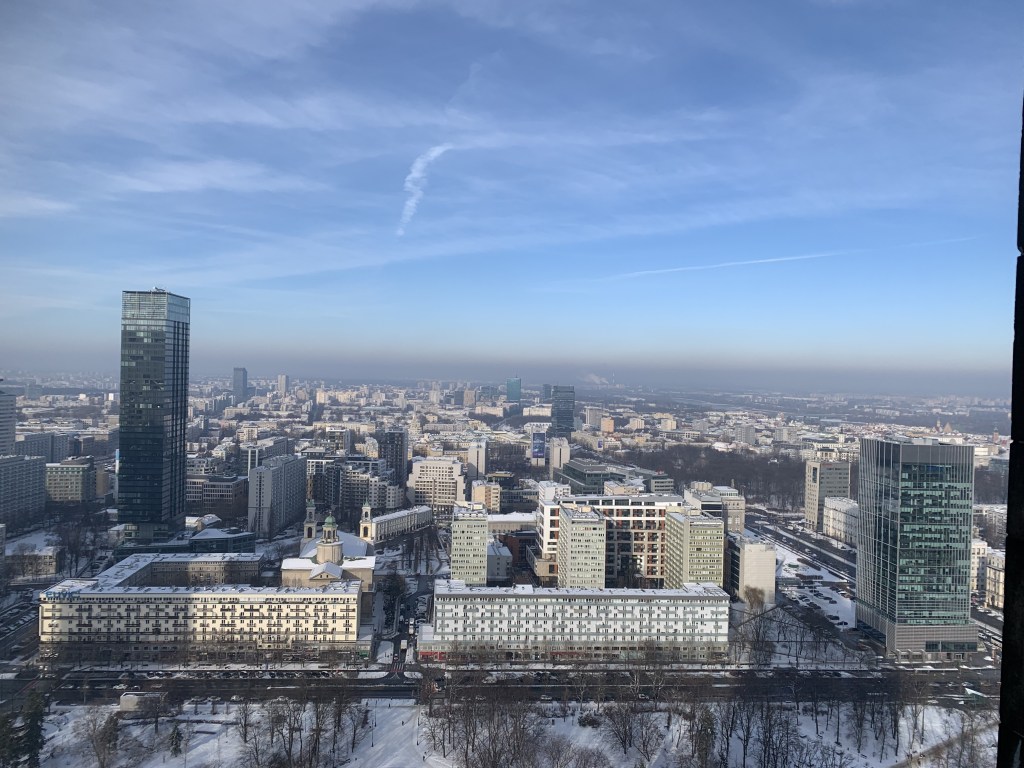
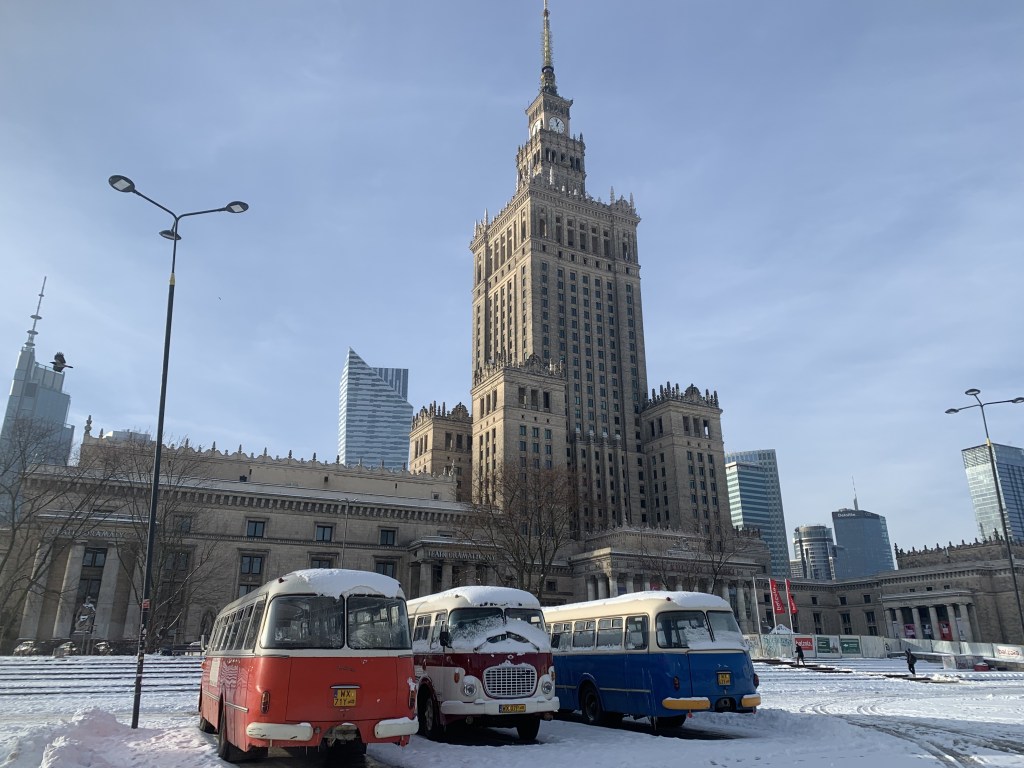
Once you arrive in the city, the sightseeing is at your fingertips! Quite literally as soon as you exit Warszawa Centralna you are wowed by the site of the Pałac Kultury I Nauki or the Palace of Culture and Science. This in an incredibly impressive building. At 237 metres it is only the second tallest building in Warsaw, despite being one of the tallest buildings in Europe and it really does take over the landscape. The tower has an interesting history as it was originally an unwanted gift to the Peoples Republic of Poland by the Soviet Union in 1952. It was originally erected as a tribute to Joseph Stalin and was referred to as Joseph Stalin’s Palace of Culture and Science, although the title was later revoked. Nowadays, the palace is host to many different museums and entertainment areas, including a cinema, theatres and bookshops. However, one of the main highlights is heading to the very top of the tower to look out over the city of Warsaw. It is an observation deck that costs around 25 zloty which is approximately £5 (as of January 2023). In my opinion, it is well worth it!
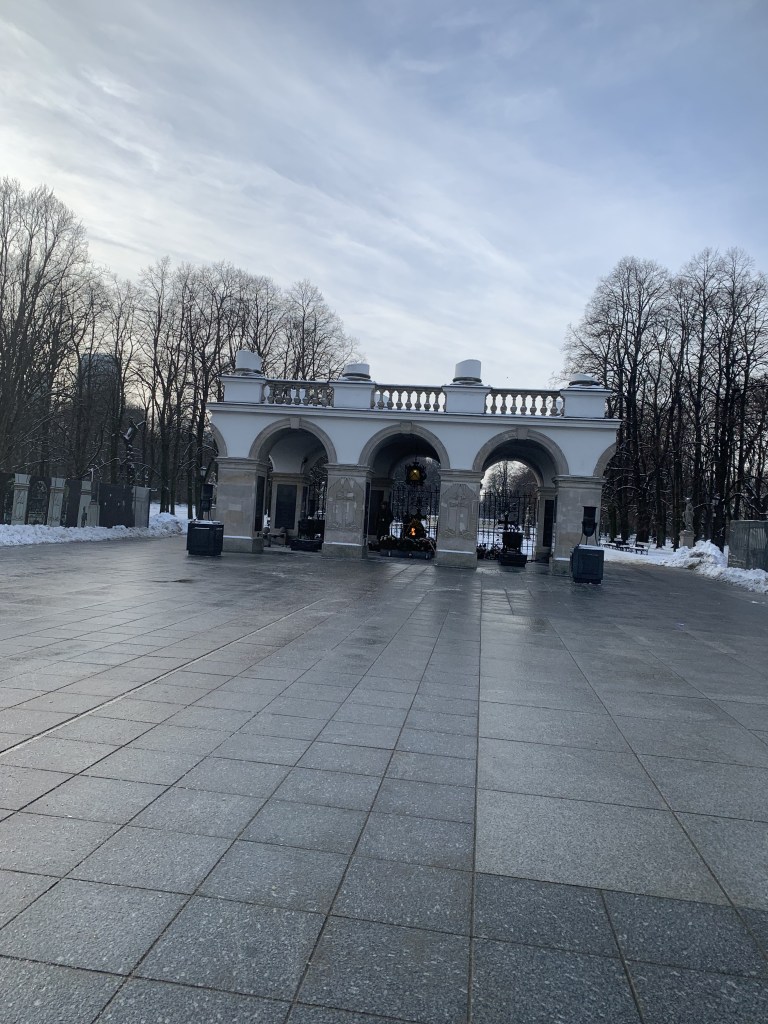
From the Palace of Culture and Science, we headed to our hostel via the Ogrod Saski gardens which was truly a beautiful park in the snow. It was really lovely to stroll through a wooded, green space in the centre of the city. Here, many people were walking their dogs and it very much felt like stepping into Narnia because of the weather on this occasion. At the end of the park is the Tomb of the Unknown Soldier which is a war memorial where two guards stand vigil 24/7. It is a memorial to those that lost their lives in WW1 whose identities still remain unknown. The inscription on the tomb stone reads: “Here lies the soldier of Poland who died for his homeland.” It is a beautiful memorial and one you should definitely see during your time in the city. The area itself used to be a Saxon Palace and it seems there are plans to rebuild a replica of the site.
Nowy Swiat in one of the main routes for tourists through Warsaw as there are many sights surrounding it. Throughout our visit, we did so many laps going from one side of the city to the other! Like with Gdansk, the city still had all of its Christmas decorations up in January which was so lovely. It really made for a beautiful atmosphere down these streets. They really do go all out! There was a little projection playing on the ground in one area with music playing aloud and many different photo opportunities. It is a great way of gaining publicity for the city by tourists taking photographs with the many different decorations. The city definitely deserves more attention! My favourites were towards Old Town but, I’ll share more about that later.
Firstly, on this street you will find the statue of Nicholas Copernicus who was a famous polish astronomer. He was the scientist that theorised that the sun was the centre with the Earth and other planets going around it, rather than the Earth being the centre of the universe. This bronze statue is located in front of the Staszic Palace which is a lovely piece of architecture. The palace acts as the Polish Academy for Sciences and dates back to the early 1600s.
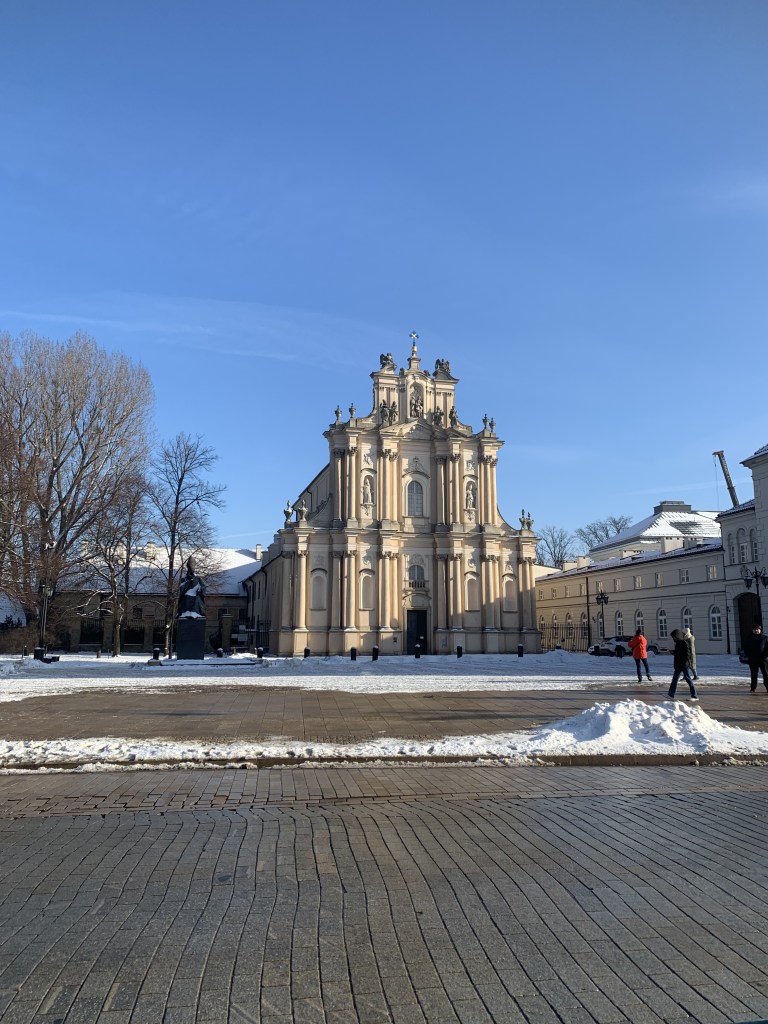
Next, is the Roman Catholic Church of the Vistiants/Kościół Sióstr Wizytek which is a very architecturally stunning building. Across the road from this church, there is an information board on the pavement that shows what the church used to look like when it was first built. Construction began in 1664 and was not completed until 1761 so, as you can imagine, the area surrounding the building has changed significantly, especially in terms of the people’s clothing and modes of transport.
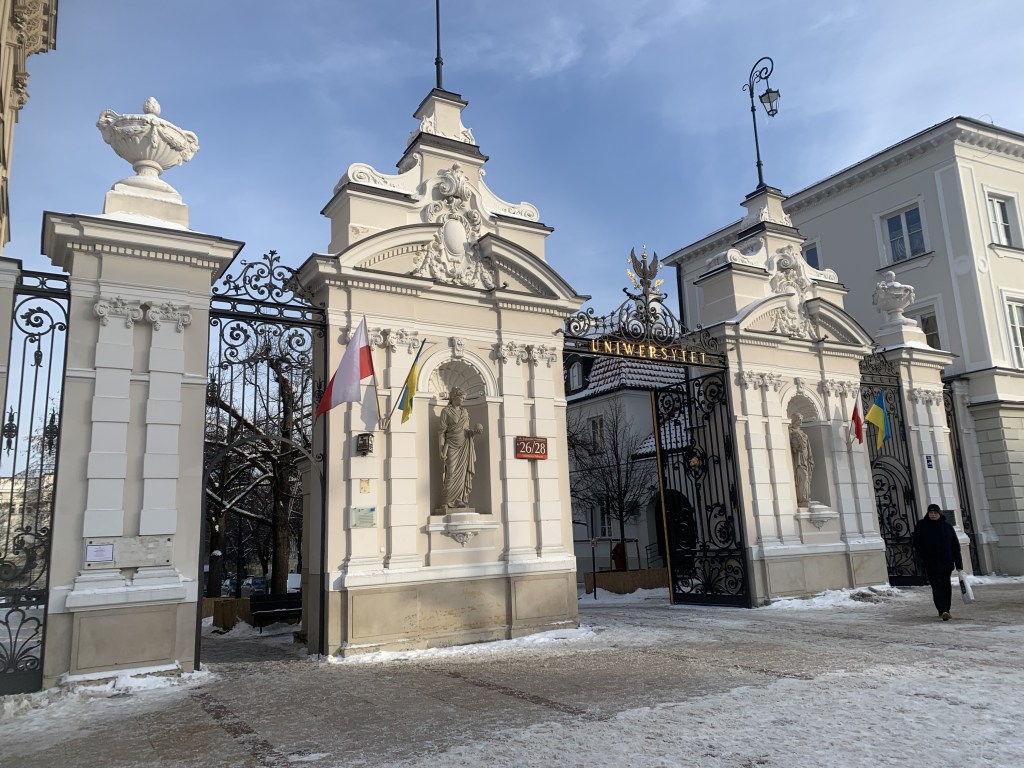
Slightly further along the street is the Czetwertynski-Uruski Palace. This palace was originally built in the 1830s and was the place where King Stanislaw Augustus learnt that he was elected king of Polish-Lithuianian Commonwealth. Unfortunately, the original building was demolished in the 1840s, shortly after it was built, under orders from a member of the privy council and marshal of the nobility. A second palace on the spot was burnt down in the Warsaw Uprising before the version we see today was built. Now, the Palace acts as a department of the University of Warsaw. The gates alongside the palace act as the entrance to the university. We had a wonder around this are to appreciate the architecture. It seems like it would be a very cool place to study.
The University Library Gardens are also a sightseeing spot in Warsaw because they are home to a viewpoint. There is a dome covered in plants that is supposed to have a great view over the river. It is free to enter as well! However, I say ‘supposed’ because when we went to the park, the viewpoint was closed. I’m not sure why but, I would guess it was to do with the snowy weather they were having. Perhaps, this is more of a summer activity. It was nice to walk around the park regardless though.
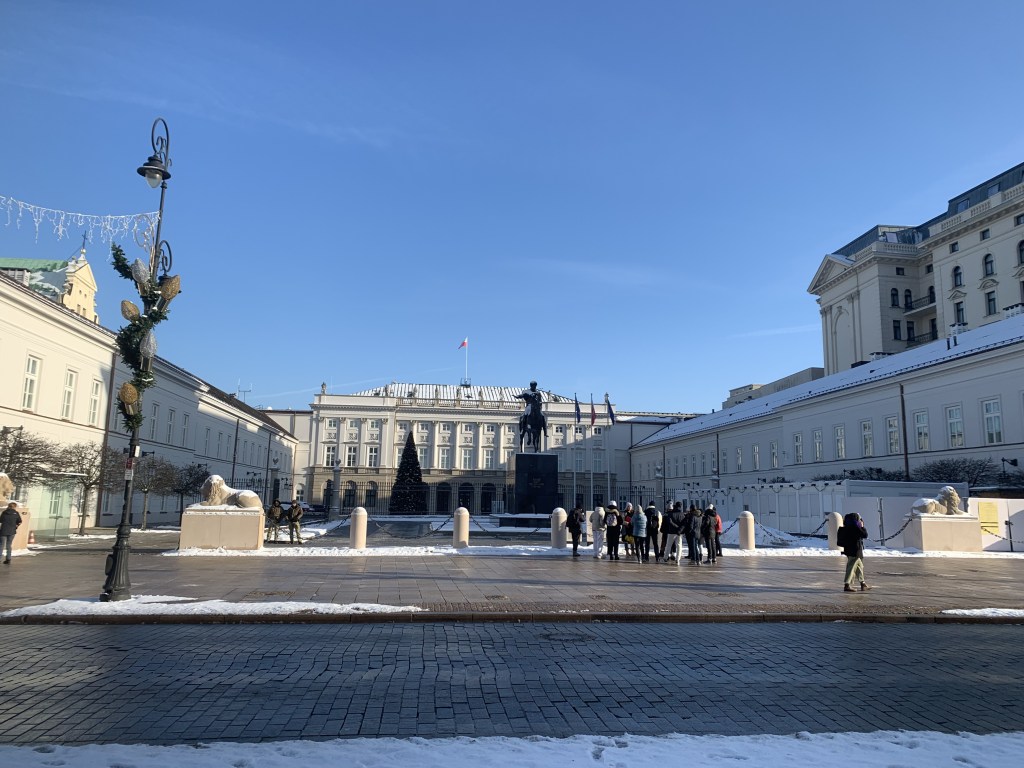
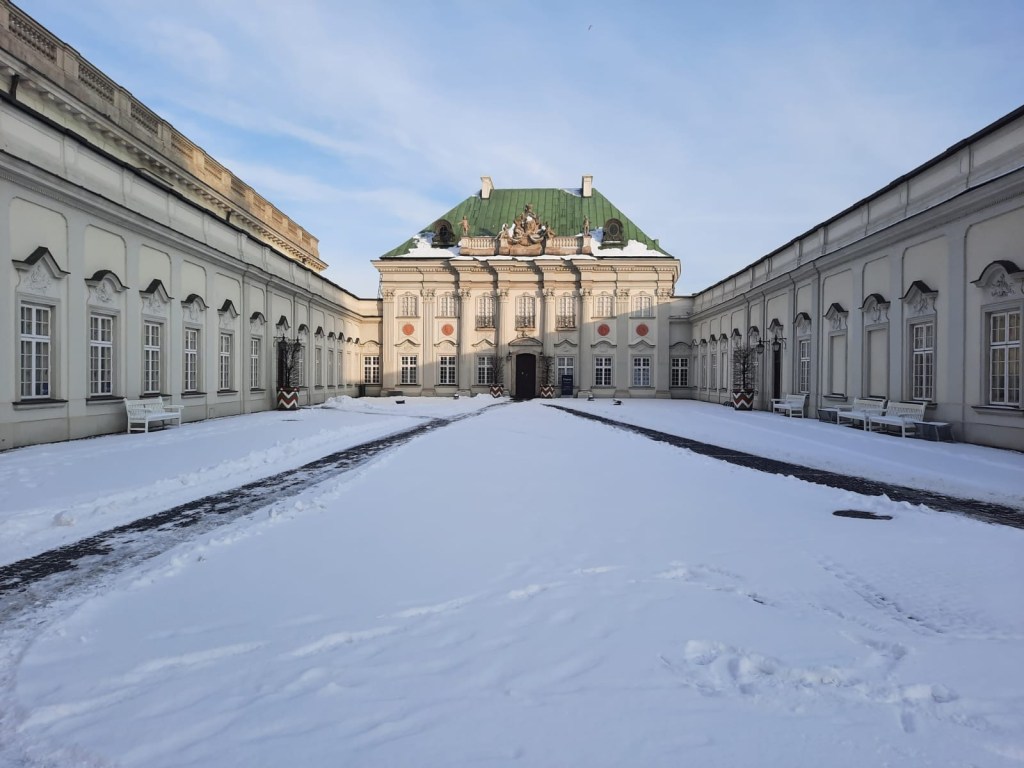
Next, going back to Nowy Swait is the Palac Prezydencki or the Presidential Palace which, as you may have guessed, is the seat of Poland’s president. This 18th century building has a long history. After WW1 it was home of the Polish council of ministers, then served as the Deutsches Haus for the German occupiers in WW2. It was here that the Warsaw Pact was signed between the Soviet Union and the Eastern Bloc countries. Since 1994, it has had its current purpose as one of two residences of the president. In front of the palace, there is a statue of Jozefa Poniatowskiego who was a general of Poland and the nephew of King Stanislaw Augustus.
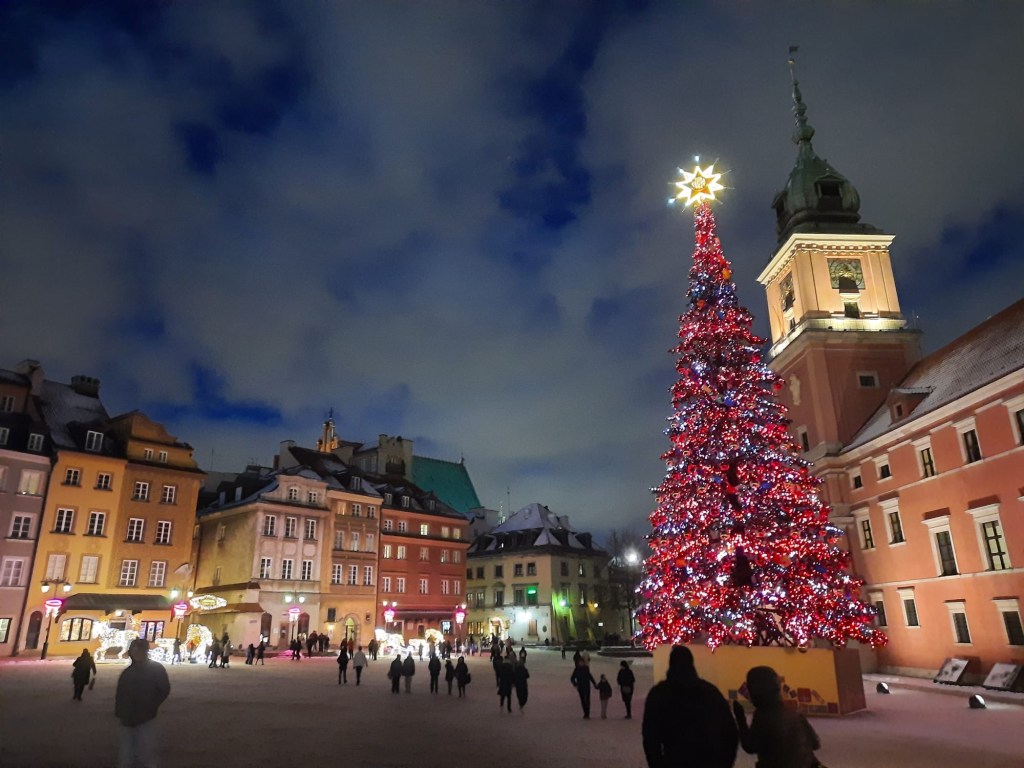
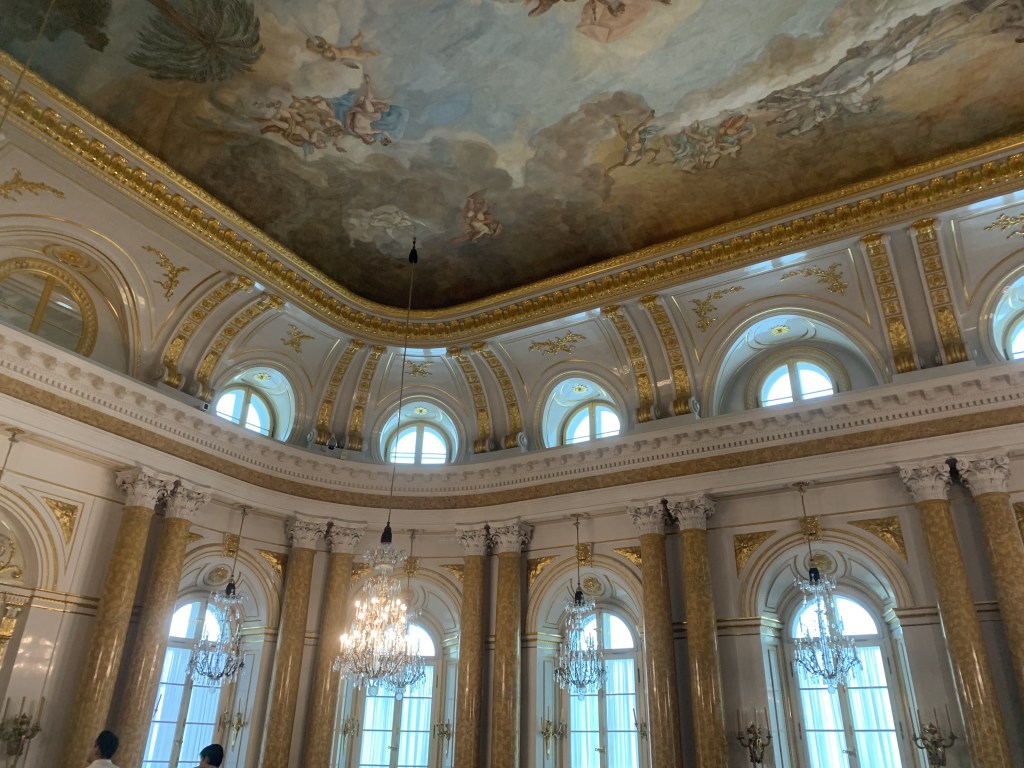
Finally, as you reach the end of the street, it leads directly onto Castle Square which is home to Sigismund’s Column and the Royal Castle of Warsaw. We happily arrived to find that the Castle is actually free to enter on Wednesday and low and behold, it was Wednesday! To be honest, this museum is not our usual kind of thing. It was interesting because it was a replica of the castle would have been before it was destroyed in WW2. The castle was attacked by Luftwaffe fighter jets and then fully demolished by the Nazis after the Warsaw Uprising of 1944 failed. To see the pictures of the destruction showed just how amazing the recreation was and how much time and effort had been spent retaining the history and culture of the castle. It used to be the official royal residence of Warsaw however, now it is one of the most visited art galleries in the city. We’re not the biggest art enthusiast, though we both can appreciate the art. But, if you are then you would probably really enjoy this museum.
Castle Square acts as the boundary into Old Town with the square, castle and town being a UNESCO World Heritage Site as of 1980. There are a couple of sights in Old Town but, like with Gdansk, it is important to just appreciate the architecture here. Warsaw is such a city of contrasts. You have the very ultra modern shopping area as you exit the train station compared to this area. I really liked that about the city. It was the gift that just kept on giving. here are a couple of things to look out for here:

The Wishing Bell seems rather random. It is a bronze bell that dates back to the 1640s which just seems unusually placed in a square. However, it is a matter of local legend as there is a love story behind the bell as tragic as the story of Romeo and Juliet. According to the legend, if you walk around the bell (though some say that you are to hop instead) a number of times, your wish will come true. I’m not sure how much stock I’d put into that myself but, you know what, there’s no harm in giving it a go! I wish you luck haha!
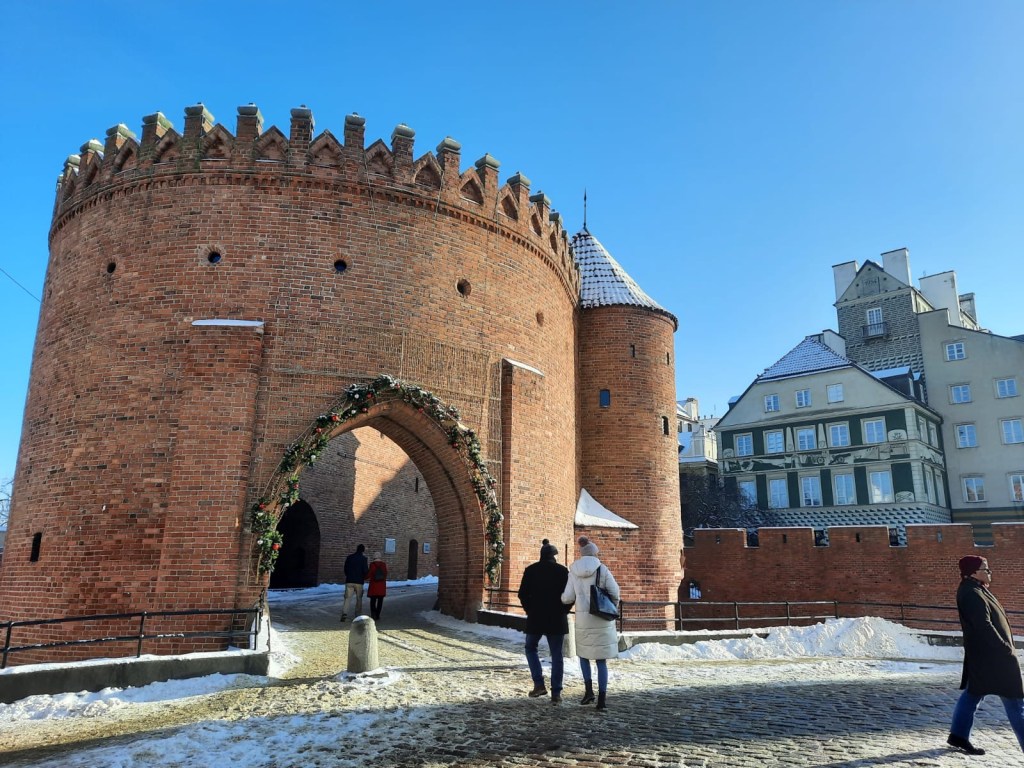
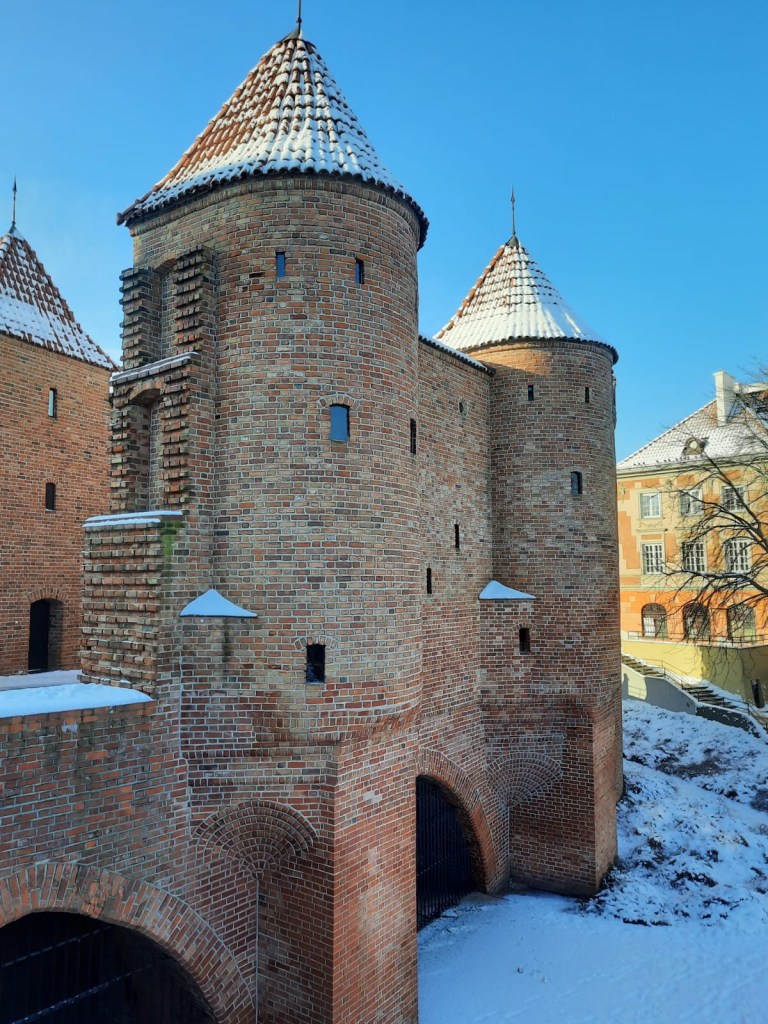
As you walk deeper into Old Town you come across Old Town Market Square which was very busy when we visited as it was home to stalls and an ice rink. I’m not sure if this was all of Warsaw’s Christmas markets – I doubt it – but, its something to be aware of if you’re coming at Christmas time. The square is one of the oldest areas of Old Town, although like many areas, it was destroyed during WW2 and had to be restored. It is also home to the Warsaw Mermaid Statue which was created by Hegel and is seen as a symbol of the city. Not too far away is the, Warsaw Barbican. This is one of the few remaining defence walls that used to surround the city. It dates back to around the 1540s and marks the area between Old Town and New Town.
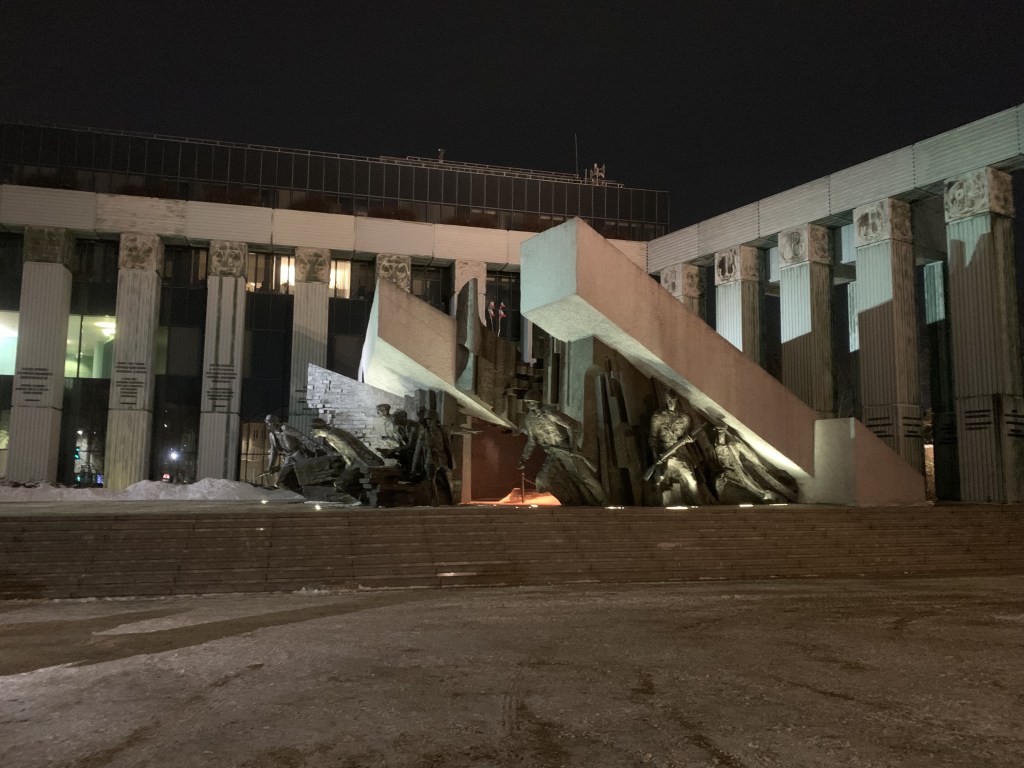
Finally for this region, there is a monument in memorial of the Warsaw Uprising in 1944. I have made frequent allusions to this throughout the post so far but, I personally didn’t know too much about it until recently. The Warsaw Uprising was a major WW2 movement by underground resistance to try and liberate Poland from the Nazi occupation. The uprising was planned to coincide with the advancement of the Soviet army however, when the Red Army halted combat operations, it gave the German army time to regroup and defeat the resistance. For 63 days they fought with little help from outside sources. The Warsaw Uprising was the largest military effort of resistance by any European group in the entirety of WW2. Casualties were horrific with an estimated 16,000 killed and 60,000 more injured. Aside from the resistance, between 150,000 and 200,000 polish civilians are thought to have been killed both during and as a result of the uprising in mass executions. Obviously, this was a very tragic moment in history and I’m glad that I got to learn more about.
I would also like to share with you the Polish History Museum which is located quite a walk outside the Old Town. Now, don’t do what we did and walk all the way there to find out that the museum actually isn’t properly open yet. You can visit one temporary exhibition however, the whole thing isn’t due to open until 2026. I don’t regret it though as the one exhibition featured some interesting objects, including a Hyundai which was full of bullet holes and had been driven to escape Ukraine in the current war against Russia. The walk to the museum was also nice because it was in a direction that we hadn’t been in yet. Admittedly the military area was a little creepy in the dark but, that was only because we didn’t know where were going. All in all though, I think this has the potential to be a really good museum so, if you’re reading this post-2026, then I’d say give it a visit! If I go back after 2026 then I probably will too.
Phew, that marks the end of the many sights that Warsaw has to offer. Like I said, this is a city that is absolutely steeped in history, especially its recent history in WW2. I can’t tell you enough how much I fell in love with this city and, writing about it here, it might be my favourite of the three in Poland……no, no….I can’t commit to it! It was incredible though and I urge anyone to add it to their Poland bucket list.
As well as the sights, I also wanted to share with you the hostel we stayed in: Oki Doki Old Town. Other than one small incident with the fire alarm, we had a wonderful stay here. It was cheap and cheerful. However, I think if you were staying here as a backpacker or a solo traveller, you would have a really great time. They host events each evening to help you get to know people as well as learn more about the local culture and cuisine. They had a bar for happy hour and a very lovely kitchen for cooking your meals in. It was great to see an independent hostel that was doing so great and it had a lovely homely feel to it overall. I highly recommend staying there during your stay!
That wraps up this travel guide. I hope its helpful! I’m trying to get a mix of recount style, anecdotal stories as well as giving you the facts.
Let me know if you’re going to Warsaw in the comments!
Amie x

 Explore with Amie
Leave a comment