Last summer, I went on a short break in Italy and visited Turin, Florence and Pisa. Florence was probably the highlight of the trip for me and, of course, it was great to see the iconic Leaning Tower of Pisa. Those two cities are close together and therefore, it is a great idea to make the trip to Pisa during a stay in Florence. This travel guide is going to highlight the hotspots and must-see areas of historical Florence as well as provide information on how to get to Pisa.
First up: Florence is very well connected by train to other areas within Italy. We approached the city from Turin however, it is also accessible from Bologna, Milan, Parma, Pisa, Rome and more. The Amerigo Vespucci Airport is also located within the city itself and Pisa International Airport is only an hour and a half away on the train. You have lots of options of how to get here whether you are visiting as part of a larger tour of Italy or a weekend away area in this city alone.
Florence is a city steeped in history and a UNESCO heritage centre. The city is seen as a symbol of the Renaissance, with impressive architecture from its economical and cultural growth in the 15th and 16th century. This was mainly due to the influence of the Medici family.
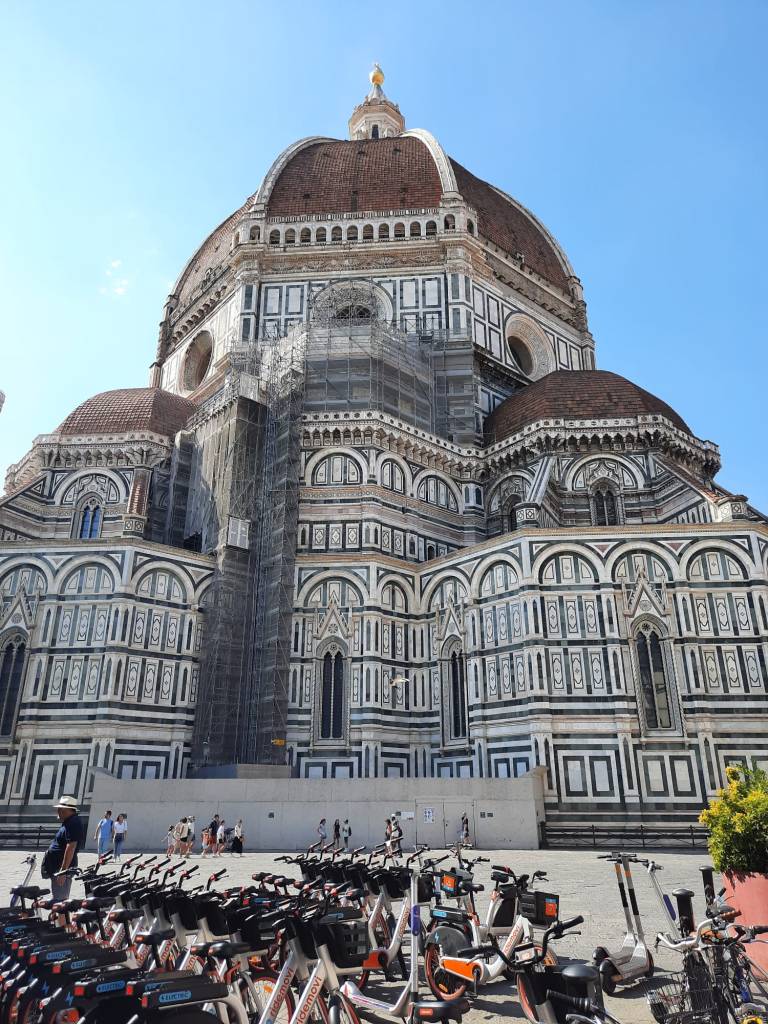
Santa Maria del Fiore
Perhaps one of the most iconic sites in Florence is the Cathedral of Santa Maria del Fiore which took nearly 200 years to build from 1296 to 1436. 600 years on from its completion, it is still the third largest church in the world! As well as its historical significance, it is also beautiful to behold. If you’re in Florence, this one is a must see. Entrance inside the Cathedral is free without booking but you must wear suitable clothing. This means that’s shoulders and legs should be covered and no sandals, hats or sunglasses worn. For more details, check out the website here.
Piazzale Michelangelo
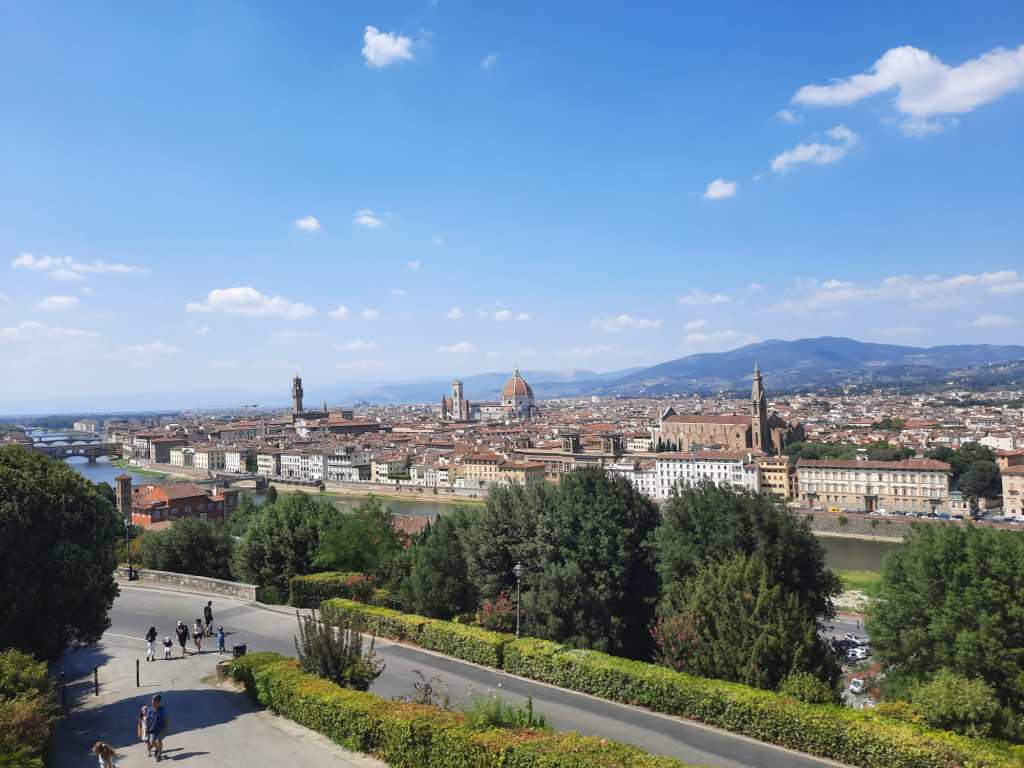
One of the most incredible views across Florence is from the Piazzale Michelangelo. It is a fantastic way to see the Santa Maria del Fiore from afar too. The best part…it’s completely free! You do have a short walk outside of the main city attractions for this but, trust me when I say it is well worth it. From what I remember, it is a steep walk up (especially in the heat) but it isn’t too difficult. The pictures speak for themselves here:

Palazzo Pitti/Giardino di Boboli
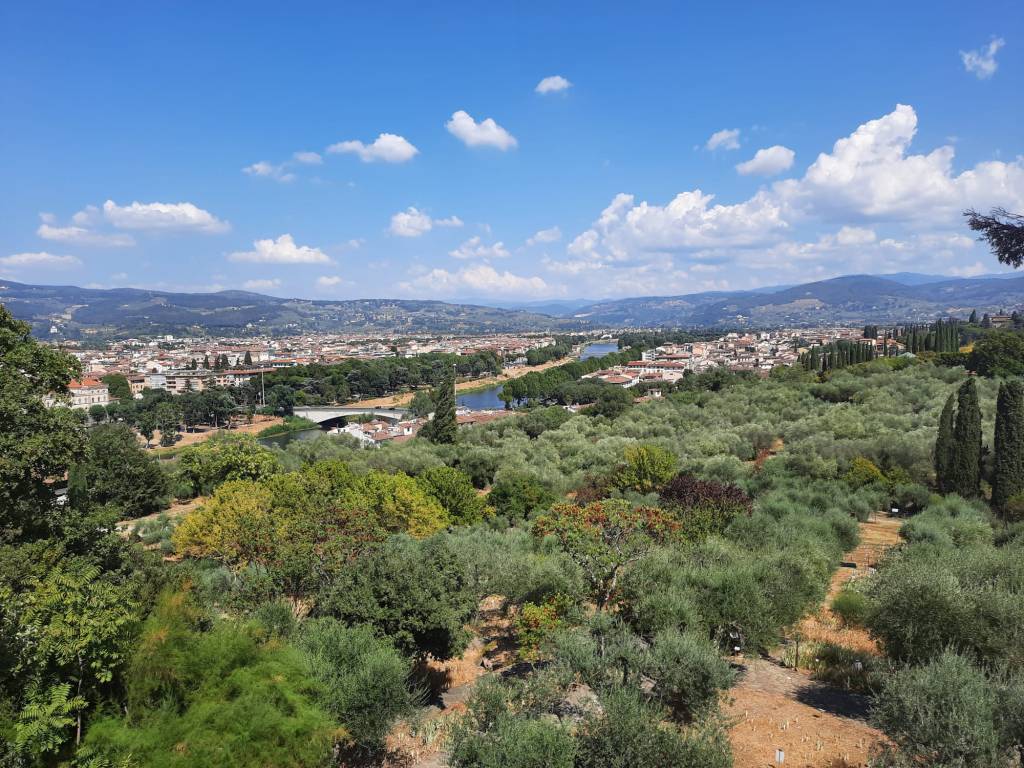
Another option to get great views of the Santa Maria del Fiore is the Giardino di Boboli. These are gardens at the opposite side of the river to where most of these attractions are located. Unlike, Piazzale Michelangelo you do have to pay an entry fee of €7 to get into the gardens or €15 for both the garden and the Palazzo Pitti. You do get the addition of a beautiful garden to explore as well as the palace which acted as the Grand Ducal residence of the Medici family as well as housing the court for both the House of Habsburg-Lorraine (which succeeded the Medici from 1737) and the Kings of Italy from the House of Savoy.
Uffizi Gallery
If art is something you are interested in, you may want to add the Uffizi Gallery to your list which is home to Primitive and Renaissance art and sculptures. If you’re not into art, this 16th century building is also worth a look just to see the architecture. Prices vary depending on the season with a reduced rate in Autumn/Winter when the city will be less busy. Be sure to check the website if you want to head inside for the prices for your trip. I didn’t go inside but would recommend having a look nonetheless.
Ponte Vecchio
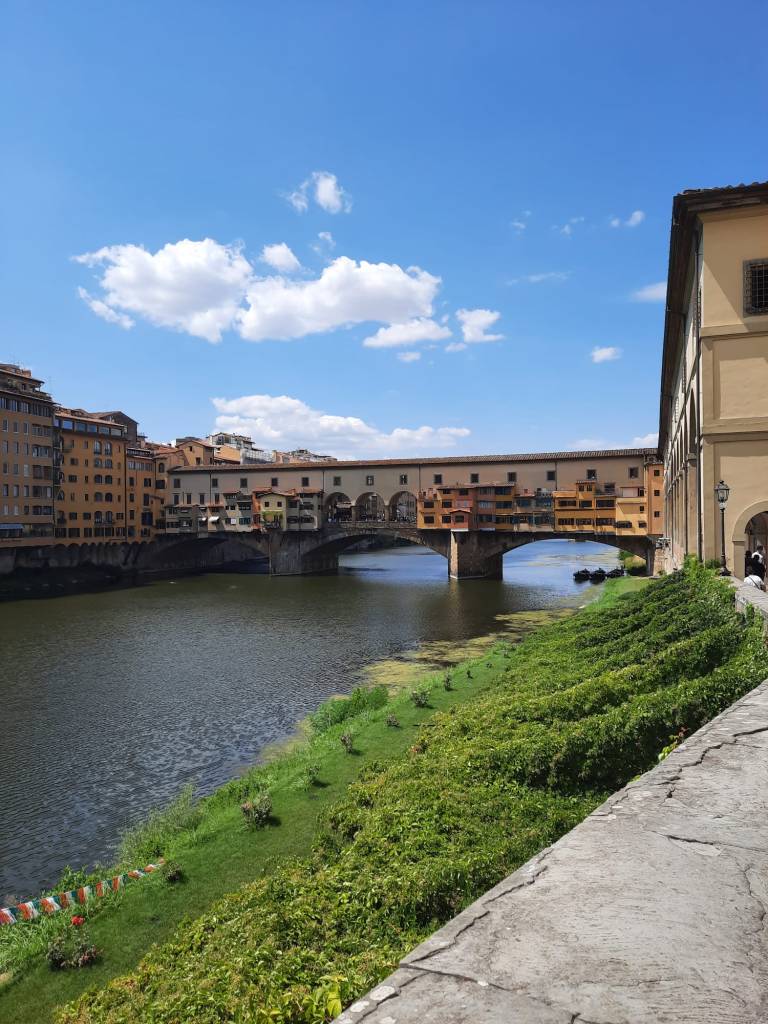
Ponte Vecchio is another of Florence’s most iconic landmarks. It was the only bridge across the Arno River until 1218 however, was rebuilt in 1345 due to flooding. This is the version of the bridge that you can see today. Unbelievably, it was the only bridge on the river that was not bombed during WW2! The area around the bridge was phenomenally busy when I visited in July and I imagine that would be the case throughout the entire summer season. The Ponte Santa Trinita is another bridge from the Renaissance over the Arno and provides great views of the Ponte Vecchio if you want to stay away from the crowds a little bit. Though, in Florence in peak season, that is pretty unavoidable, I’m afraid.
Palazzo Vecchio
Next, the Palazzo Vecchio should be on your list. This is the current town hall of Florence and was built in 1299. As you can see from this selection, Florence has so much history, especially when it comes to its architecture. You should spend some time just walking around the streets and enjoying the buildings. The Palazzo Vecchio overlooks the Piazza della Signoria which has a grand display itself. This area has a long political history as the centre of the Republic of Florence and still holds significance today.
Basilica of Santa Croce
The Santa Croce is the largest Francisian church in the world, associated with the St.Francis of Assisi, Italy’s patron saint since 1939. The building itself is much older, dating back to the early 1200s with restorations and gothic additions in the 16th century. Visitors are able to enter the Basilica but there are designated times for worship and study. Confession is open daily and there are special services on religious holidays. For other visits, the tickets cost approximately €8 with under 11s able to enter for free.
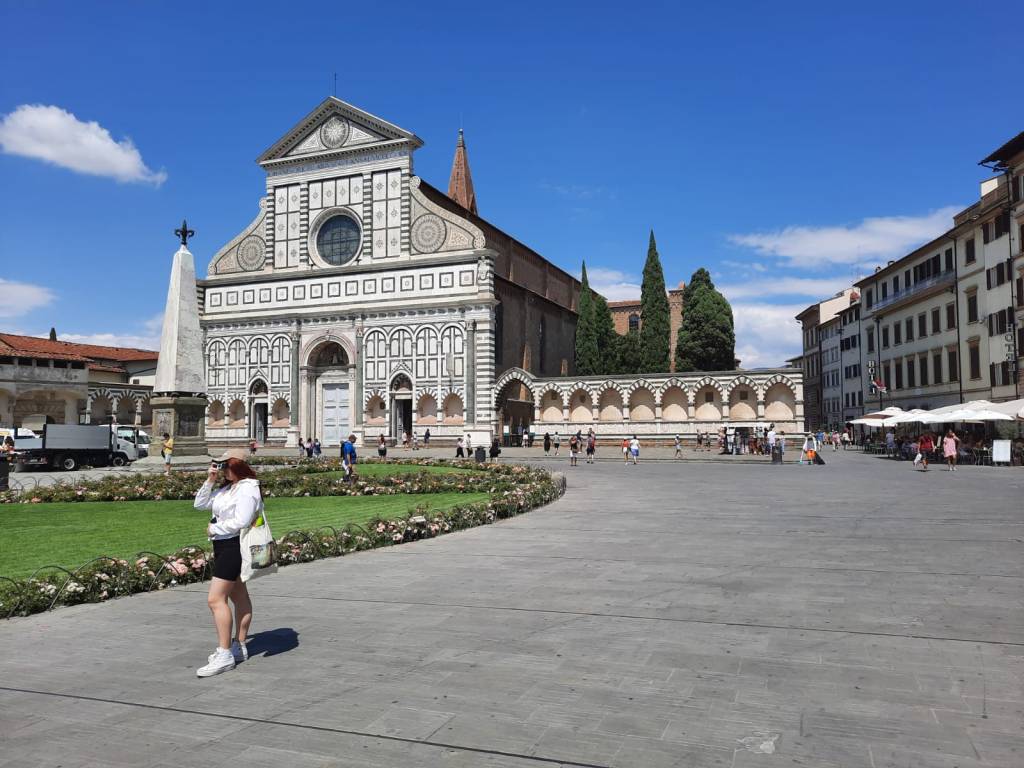
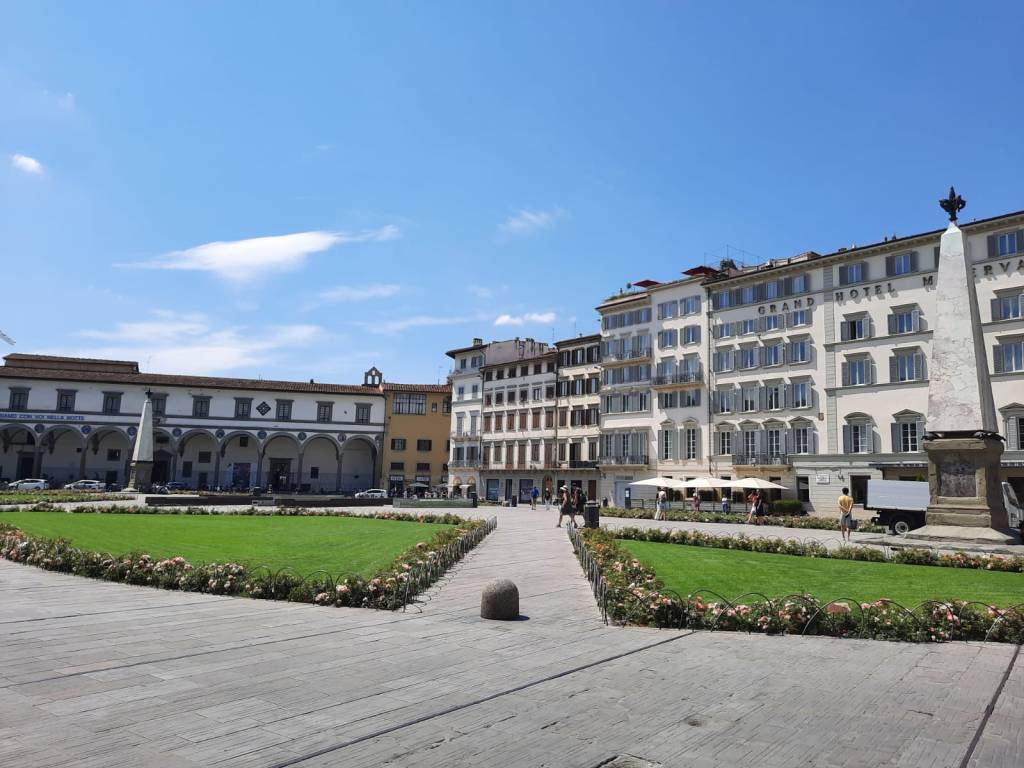
Basilica of Santa Maria Novella
If you arrive into Florence or are leaving by train, this is an easy sight to tick off the list as it is the church which gave the station its name and is located nearby. This one is the city’s principal Dominican church and was one of the first of the grand Basilica’s within the city. Like many of the hotspots within the city, this is home to Renaissance and gothic art from the period.
Basilica di San Lorenzo
The Basilica de San Lorenzo is the burial place of key members of the Medici family from Cosimo il Vecchio to Cosimo III as it was their local parish church. It, like many others in the city, claims to be one of the oldest as it is thought to have been consecrated around 393 AD. This Basilica is located in the market area of the city and therefore, it is a lovely location to have a look around as well. You might be thinking, another one? But, if you have a few days in Florence, it’s more than enough time to explore all these historic buildings. You can do the next place on this list too as it’s only down the road from this Basilica.

Mercato Centrale Firenze
As I said above, the Basilica di San Lorenzo is in the market district which leads me onto the Meracto Centrale Firenze. This is a food hall with lots of different stalls as well as a seating area for you to enjoy your dinner. We didn’t eat here but it is a good thing to be aware of nonetheless. I believe you can find Mercato Centrale in other locations across Italy too.
Museo Casa di Dante
The Museo Casa di Dante is a museum dedicated to Dante as it was the place of his birth. It exhibits his work as well as teaches you about what life would have been like in Florence when he was alive. It offers guided tours as well as workshops. Opening times vary depending on the season: in the summer months (April-October) it is open 10am-6pm whilst operating on reduced hours from 10am-5pm Tuesday to Friday in the Winter or 10am-6pm on a weekend. Entry costs €8 and, although I haven’t entered myself, this seems like good value.
Those are, in my opinion, all the highlights of Florence but, there is always more to see and explore. Florence is probably my favourite place in Italy that I have visited so far and think it is well worth the trip. It is a beautiful and historical city that you do not want to miss.
As I said at the beginning of this post, it is very easy to add a day trip or an additional night in Pisa after or before you have visited Florence. It is easy to travel from Florence to Pisa and vice versa.
How to get to Pisa?
The train from Florence’s station (Santa Maria Novella) to Pisa Centrale runs around 3 times an hour during the summer months so you are bound to find a service that suits your needs. The fare is approximately €10 for a single journey so it is a very affordable way to travel between the two places. If you’re worried about using public transport in a foreign country, don’t worry as it was very easy to navigate.
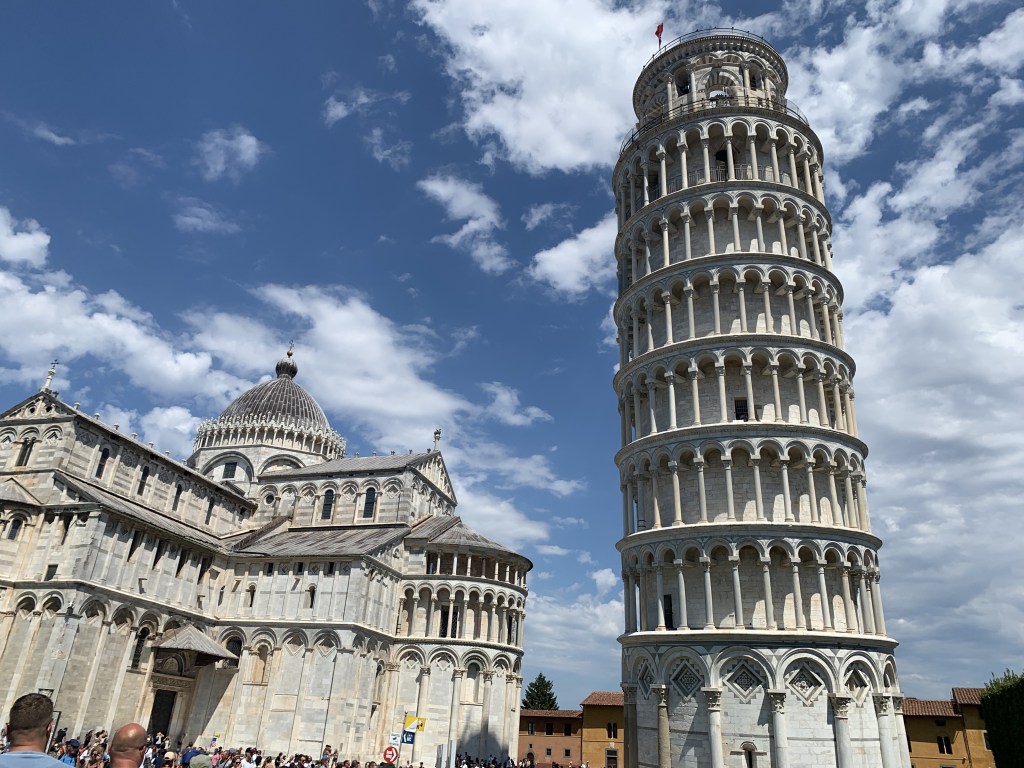
Once, you arrive in Pisa, it is a short walk from the station to the main event: the Leaning Tower of Pisa (Torre de Pisa). The Cattedrale di Pisa is right next door too. Other sites include the Palazzo Blu which is alongside the river. You don’t need more than day or two in Pisa to see all of the sites but, it is nevertheless worth the visit to see the iconic tower.
I hope this post was helpful if you’re travelling to Florence and Pisa soon. I really do think you are missing out if you don’t visit Florence at least once. Book your trip now!
Amie x
 Explore with Amie
Leave a comment