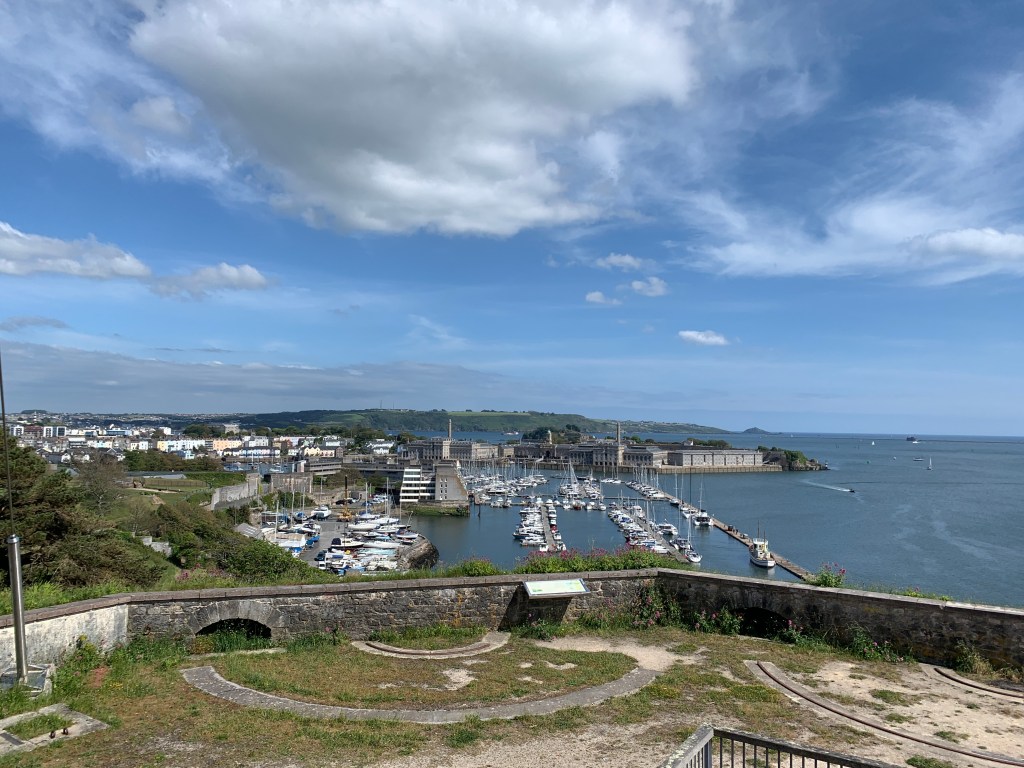
If someone asked me “which city in the UK is the most underrated?” my answer would one hundred percent be Plymouth. Plymouth is the UK’s ocean city, home to a large dockland and lots of history. Like most places, it can be a little rough around the edges but, it really is worth a visit to the centre. It is probably one of my favourite cities within the UK. Plymouth is on the very edge of Devon as you head into Cornwall. So, whether you’re looking for a place to stop on the way to a Cornish summer or, you find yourself in Devon for any other reason, I highly recommend a visit.
Getting There
Plymouth is easily accessible by train. It is home to a train station and you can get a direct train from a lot of the major cities within the UK including London, York, Leeds and even Aberdeen. No matter where you are in the UK, you can find your way to Plymouth by train. There is no denying that it is a long journey but with tools like Split Ticketing you can get a bit of a discount on the hefty price tag. Of course, there is also the option to go by car. The A38 takes you from Exeter to Plymouth and the A386 heads into the city from North Devon. Both of these roads will give you amazing views as you skirt Dartmoor National Park. National Express also run a direct service from Bristol.
Things to See/Do
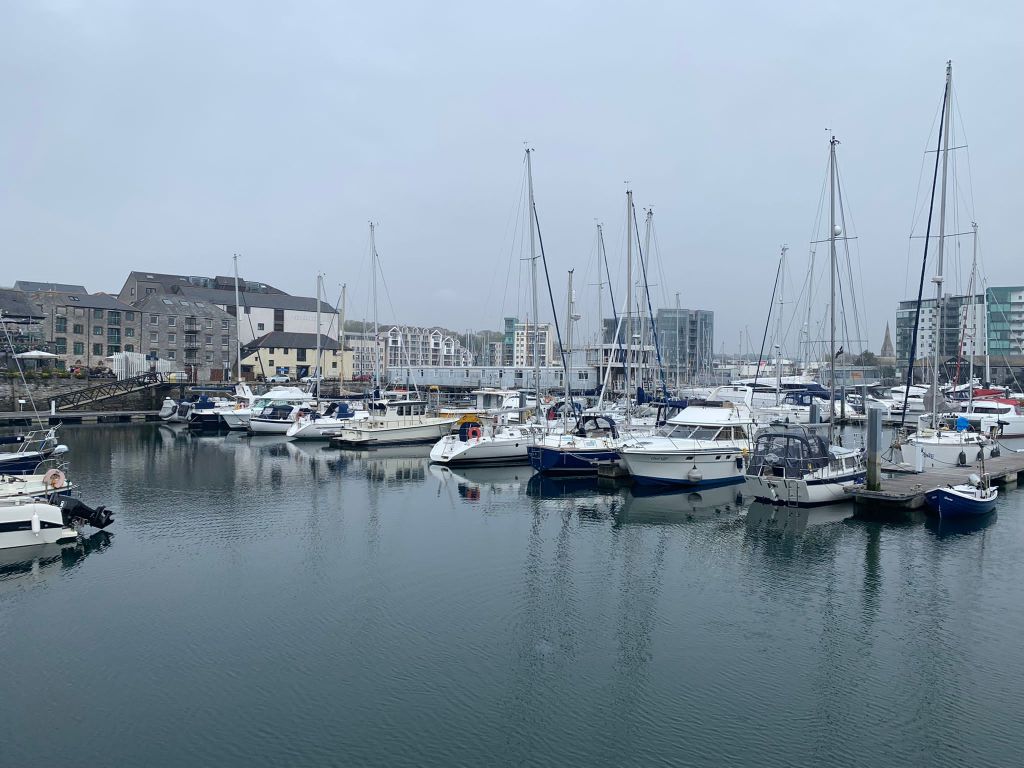
Plymouth’s Barbican is the waterside neighbourhood within the city centre. It is one of the most beautiful parts of the city. It is home to many historic buildings with narrow cobbled streets. However, what really makes the Barbican special is the atmosphere. Both times that I have visited the city, this area has been bustling with life and activity. The waterfront has many restaurants and cafes with outdoor seating which is perfect for this location. The docks are here too which makes for a great game of ‘which boat would you want to own’, a classic whenever we head to a coastal town or city. The Barbican also houses the Plymouth Gin factory and shop; an iconic souvenir for those visiting.
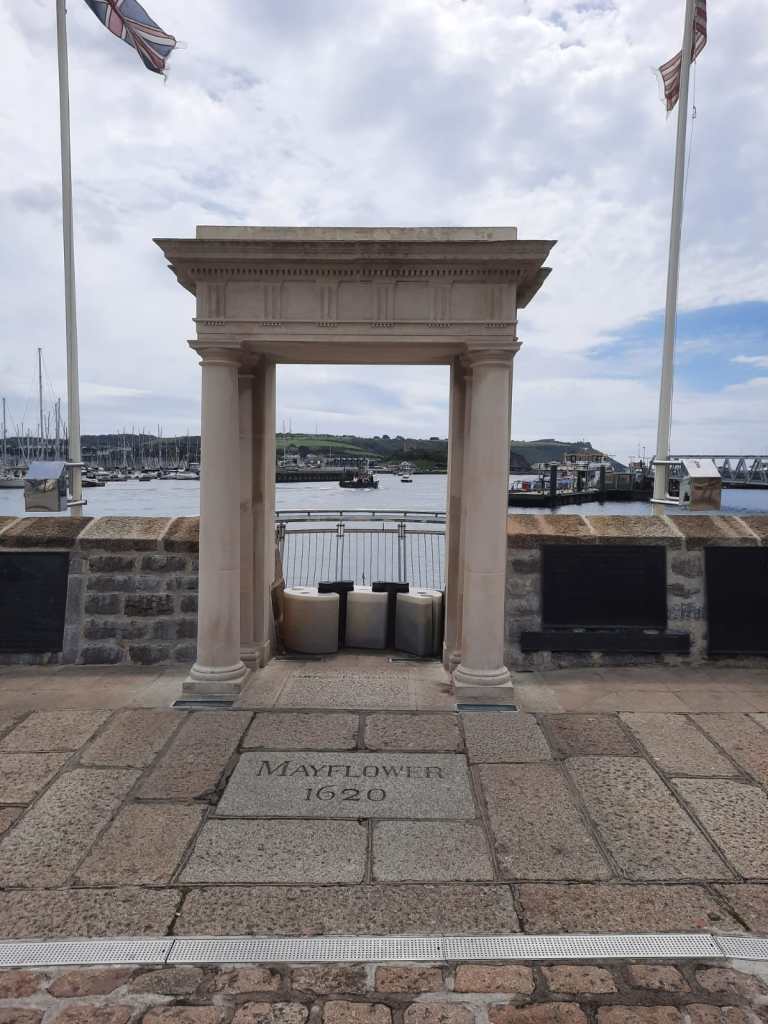
The maritime history of Plymouth make it a very interesting city to visit. The Mayflower was a three-masted ship that sailed from Plymouth in 1620 with 102 passengers bound for Massachusetts. The Mayflower Steps can be found in Plymouth just outside the Barbican area of of the city; this is the site that ship left to finally begin its journey to North America. Although the steps no longer remain, a commemorative column marks the spot with information boards giving tourists more information on the historic event. The columns are flanked by the United Kingdom flag and the US one.
Heading around the coastline, the Royal Citadel sits slightly above the road. This 17th century fortress is an English Heritage site which was built to defend the coastline from the Dutch1. It is still in use by the military today and therefore has a strict guided tours only policy. Tours are available every Tuesday, Thursday and Sunday from the 17th April 2022 until October however, tickets must be booked at least 24hrs before you attend with security checks required before you enter the Citadel. I have never been inside but tickets are only £12.50 which doesn’t seem too bad to tour a still-used military establishment. It is worth noting that photography is not permitted within the building.
A free site along this road is the Hoe Cannons. These sit just below the Citadel and are two cannons that point out towards the sea. These are old war cannons and would have been used to defend the city many years ago. Along this coastline, there are also metal ship figures of the HMS ships throughout history.
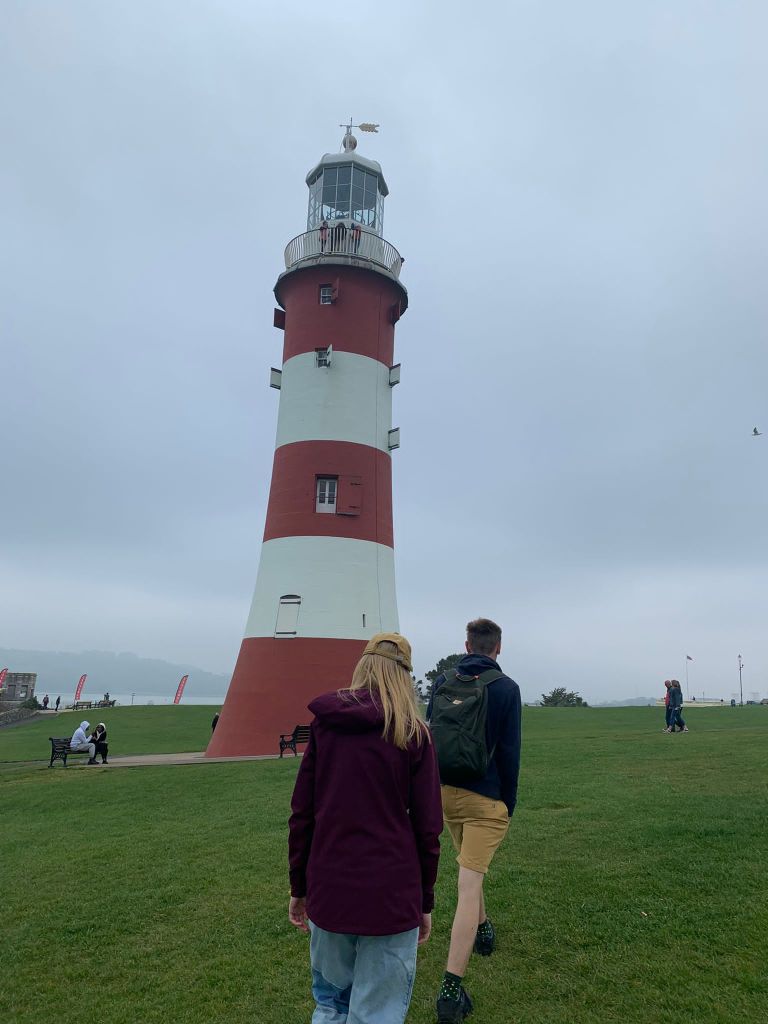
Eventually, you will come to Plymouth Hoe which is probably Plymouth’s most famous sight. The Hoe is a large expanse of grass crowned by a lighthouse. Smeaton’s Tower was built in 1759 on the Eddystone reef but was moved to the Hoe when it was revealed that the rock underneath the lighthouse was comprised by the sea. Like the Citadel, entry is available until October, Tuesday to Sunday. Entrance fees are £12 for adults and £6 for children aged 5-152. I, once again, haven’t entered the tower but, the Hoe is nevertheless a great place for a picnic. I’ve enjoyed a meal deal or two on the Hoe. It is also the place where Francis Drake was playing bowls when he discovered that the Spanish Armada had been sighted.
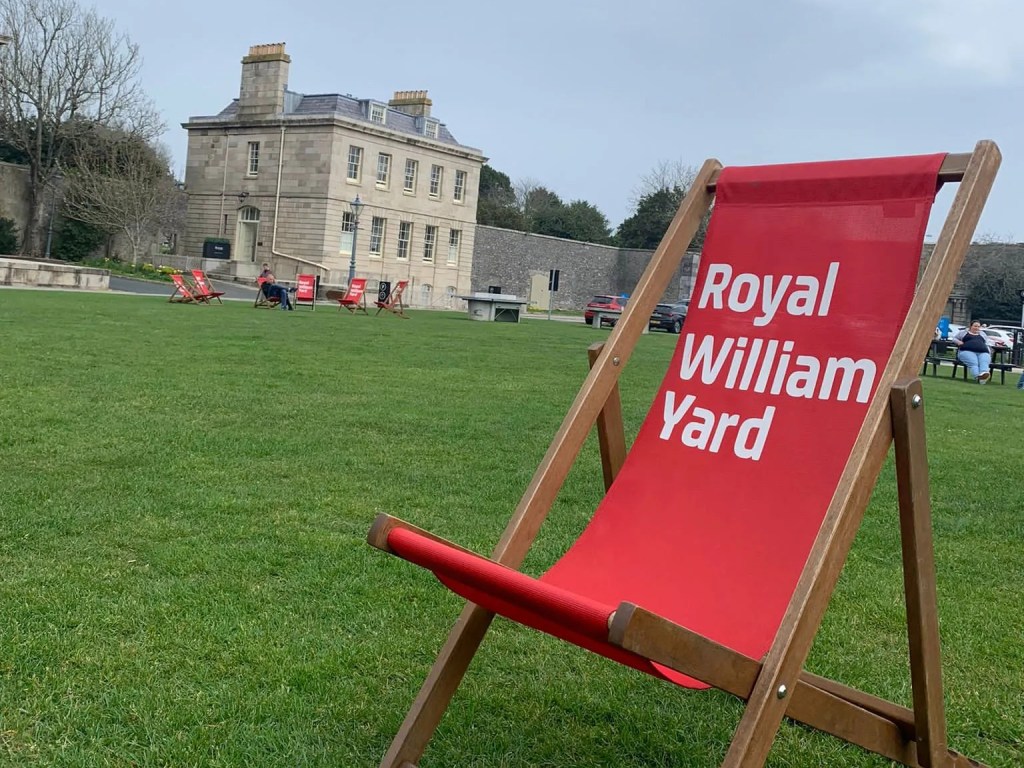
Royal Williams Yard is another key area of Plymouth’s naval history. This area used to be owned by the Royal Navy but has since been repurposed to become an area of lively restaurants and eateries. The square has many Grade I listed buildings that reveal the history of the place as well as offering modern residential and office spaces. It is a must see during a day out in Plymouth. Throughout the summer, many events are hosted in the square too. But, if you’re here on a day where there isn’t an event, an ice cream stand, Pho, Wagamama’s, and many more independent eateries are on offer.
Finally, if you have exhausted the city centre why not head across the water to Mount Edgcumbe. A ferry runs from Admirals Hard at Stonehouse in Plymouth to Edgcumbe and takes only 7 minutes to arrive at the estate. There is a large garden to explore and a beautiful Tudor style mansion that was built in the 1500s. Other than the cost of the ferry, it is free to explore the outdoor areas of the park and a lovely place for a mooch around. Watch out for the spiders in the outdoor toilets though!
As you can see, Plymouth has so much to offer; definitely add it to you UK bucket list!
Amie x
1 https://www.english-heritage.org.uk/visit/places/royal-citadel-plymouth/
2 https://www.theboxplymouth.com/outside-the-box/smeatons-tower/plan-your-visit-smeatons
 Explore with Amie
Leave a comment